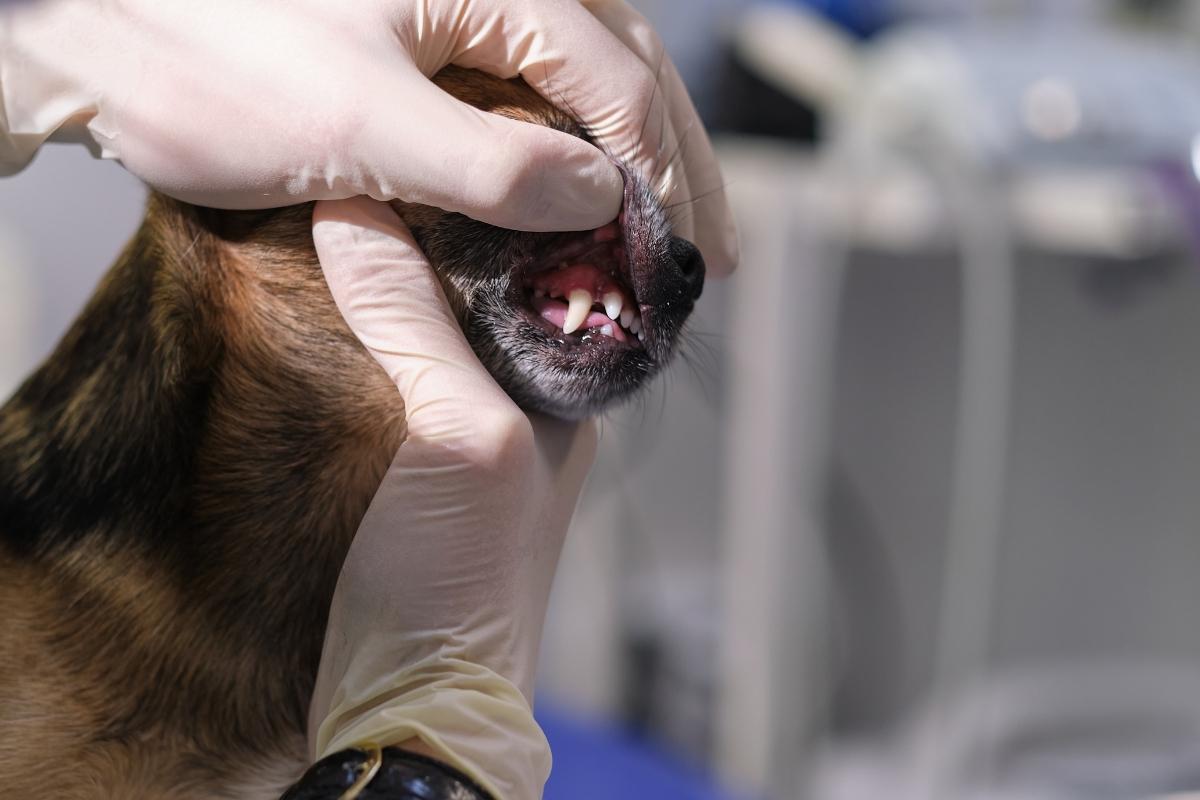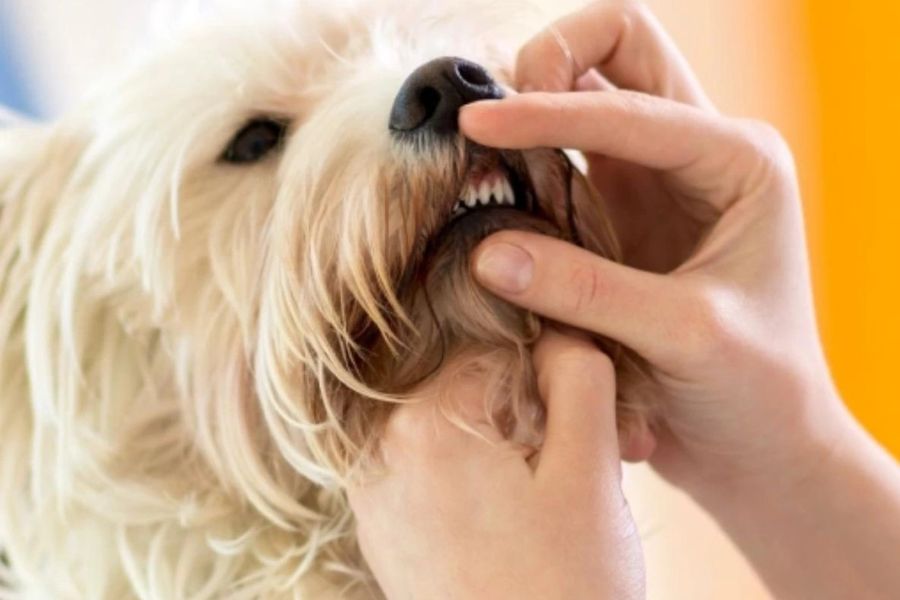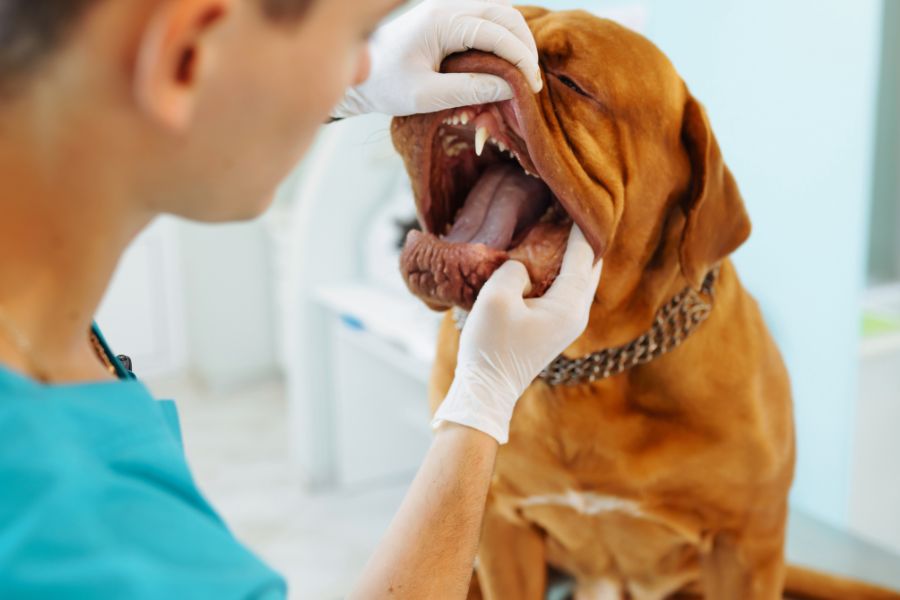


At first, you may think your dog’s or cat’s stinky breath is normal—especially after a meaty treat or fish-flavored meal. But when that foul odor becomes consistent, it signals something more serious than just food. Bad breath, or halitosis, is often the first sign of deeper oral health issues.
Beyond being unpleasant, it could be your pet’s way of saying, “Help me!” A persistent smell may hint at gum disease, plaque buildup, or even internal infections. It’s not just about fresh breath—it’s about your pet’s well-being.
The Dental Dilemma: What Lurks Beneath the Surface
Gum Disease Is the Usual Suspect
According to veterinarians, periodontal disease affects nearly 80% of dogs and cats over age three. It starts with plaque and tartar that irritate the gums. As the bacteria grows, it pushes below the gumline, causing inflammation, tooth decay, and eventually tooth loss.
What makes it worse? You may not see the damage happening—until that smell knocks you over.
How It Spreads
The bacteria that live in your pet’s mouth can enter the bloodstream, reaching the heart, kidneys, and liver. So yes, bad breath can affect much more than their teeth.
What Else Could It Be? Unmasking Other Causes
1. Poor Diet and Table Scraps

Sure, food contributes to bad breath, but it shouldn’t linger. Feeding pets human food, especially sugary or fatty leftovers, can upset their digestion and throw off oral pH.
2. Stuck Objects
Sometimes the cause is mechanical. A bit of food, a piece of bone, or even a string can get wedged between teeth or gums. As it decays, bacteria flourish, causing foul odor and infection.
3. Systemic Conditions
Bad breath could also signal health issues unrelated to the mouth, such as:
-
Diabetes (sweet, fruity smell)
-
Kidney disease (ammonia-like scent)
-
Liver problems (foul, musty odor)
Still Fighting Bad Breath? Time to Level Up Pet Care
When Routine Brushing Isn’t Enough
Daily brushing helps, but it isn’t always enough to stop the stink—especially when plaque has hardened into tartar. This is when professional help becomes crucial.
That’s where pet dentistry shines. Dental cleanings under anesthesia allow vets to remove stubborn tartar, clean beneath the gums, and treat hidden infections. They can also take dental X-rays to see what’s really going on inside your pet’s mouth.
If your dog runs at the sight of a toothbrush, this next read is for you.
👉 Check out: How to Brush Your Dog’s Teeth Without the Struggle
You’ll find simple, effective techniques to make brushing easier for both of you.
The Hidden Cost of Ignoring the Smell
It’s tempting to dismiss bad breath as minor. However, the long-term consequences can be painful and expensive. Pets with untreated dental problems often suffer silently—eating less, drooling, or pawing at their face.
If left unchecked, dental disease can:
-
Cause tooth loss
-
Lead to abscesses or facial swelling
-
Trigger systemic infections
-
Increase vet bills for emergency care
Preventing this starts with early detection and regular dental checkups.
Time for a Breath Check: When Should You Act?
Here are signs it’s time to book a dental exam:
-
Persistent bad breath, despite brushing
-
Yellow or brown buildup on teeth
-
Bleeding or swollen gums
-
Difficulty chewing or reduced appetite
-
Drooling or pawing at the mouth
If you notice any of these, don’t wait. Reach out to a clinic that specializes in pet dentistry in Rock Hill for a full oral exam and treatment plan.
FAQs: Clearing the Air on Pet Breath
Q1: Is it normal for pets to have bad breath?
A little morning breath is common, but a persistent foul odor is usually a sign of dental or health issues.
Q2: Can bad breath in pets be cured completely?
Yes, especially if treated early. With professional cleanings and good at-home care, you can eliminate the odor and improve their health.
Q3: How often should I brush my pet’s teeth?
Ideally, once a day. Use pet-safe toothpaste and a soft brush. It takes just a few minutes and prevents bigger issues later.
Q4: What are signs of dental pain in pets?
Look for drooling, pawing at the mouth, refusing food, or chewing on one side. Some pets also act irritable or withdrawn.
Q5: What does a dental cleaning for pets involve?
It includes anesthesia, scaling, polishing, and possibly X-rays or extractions. It’s a thorough procedure done by trained veterinary professionals.
Q6: How much does pet dentistry in Rock Hill usually cost?
Costs vary based on the severity of the dental disease. Basic cleanings may start around $200, but extractions or advanced procedures can be more. Ask your vet for an estimate during your visit.
Don’t Ignore the Sniff Test
If your pet’s breath could clear a room, don’t shrug it off. That smell might be your first clue that something deeper is going wrong. With the help of pet dentistry, you can protect your furry friend’s smile—and their overall health.