
Brushing your dog’s teeth doesn’t have to feel like a battle. Many pet parents struggle with dental care, but with the right tools and approach, you can turn brushing into a bonding experience. This guide offers realistic, creative steps to simplify your dog’s dental hygiene routine—without the drama.
The Importance of Daily Brushing for Dogs
Healthy teeth aren’t just about appearance. Poor oral hygiene can lead to infections, gum disease, tooth loss, and even damage to internal organs. That’s why brushing matters more than most dog owners realize. While professional cleanings are available through pet dentistry in Rock Hill, daily brushing at home is what really keeps your dog’s teeth in good shape.
It removes plaque, prevents tartar buildup, and improves breath. Most importantly, it helps your dog live a longer, healthier life.
Set the Stage with the Right Supplies
Choosing the right equipment is half the battle. Instead of using a human toothbrush and toothpaste, get a pet-safe dental kit. Look for:
-
A soft-bristled dog toothbrush or a fingertip brush
-
Enzymatic toothpaste made for dogs (never use human toothpaste!)
-
Dental wipes or gauze for sensitive dogs
If your dog loves certain flavors like poultry or peanut butter, pick a toothpaste that matches their taste. Flavor can make all the difference in how cooperative they’ll be.
Introduce Dental Care in Small Steps
Jumping straight into a full brushing routine will overwhelm most dogs. Start slow and make it positive. Spend a few days just letting your dog sniff the toothbrush and taste the toothpaste. Next, gently rub your finger along their gums. Gradually move toward using the brush.
Use lots of praise. Give treats after every session. Keep each attempt short—just 30 seconds at first. These early steps are vital in building trust.
Brushing Technique: Keep It Simple
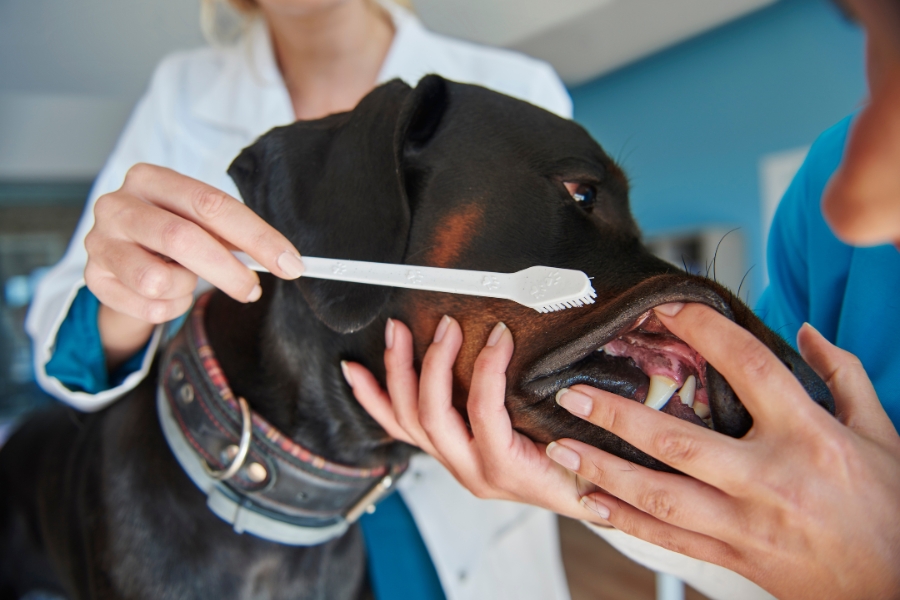
Once your dog is used to the idea, aim to brush their teeth for around two minutes a day. Focus on the outer surfaces of the teeth. That’s where plaque tends to gather most. You don’t have to pry the jaws open. Instead, lift the lips and gently scrub with circular motions.
If your dog pulls away, pause and try again later. Short, successful sessions are better than forcing a full brushing that causes stress. The more pleasant the experience, the more cooperative your dog will be.
Make Brushing Part of the Fun
Dogs love routine, and they love play. Combine both to make brushing easier. For example:
-
Brush after playtime or a walk when your dog is calm.
-
Turn brushing into a game with silly sounds or songs.
-
Reward with a favorite toy or a small training treat afterward.
When brushing becomes part of something they enjoy, resistance usually fades. Keep your energy lighthearted and your tone cheerful.
Watch for Red Flags That Need Vet Attention
Even with a solid brushing routine, some symptoms may signal deeper dental problems. Keep an eye out for the following red flags:
-
Gums that bleed easily or appear swollen
-
Teeth that look discolored, especially if coated in yellow or dark buildup
-
Breath that smells unusually foul, even after cleaning
-
Excess saliva or drooling more than usual
-
Changes in eating habits or avoiding chew toys altogether
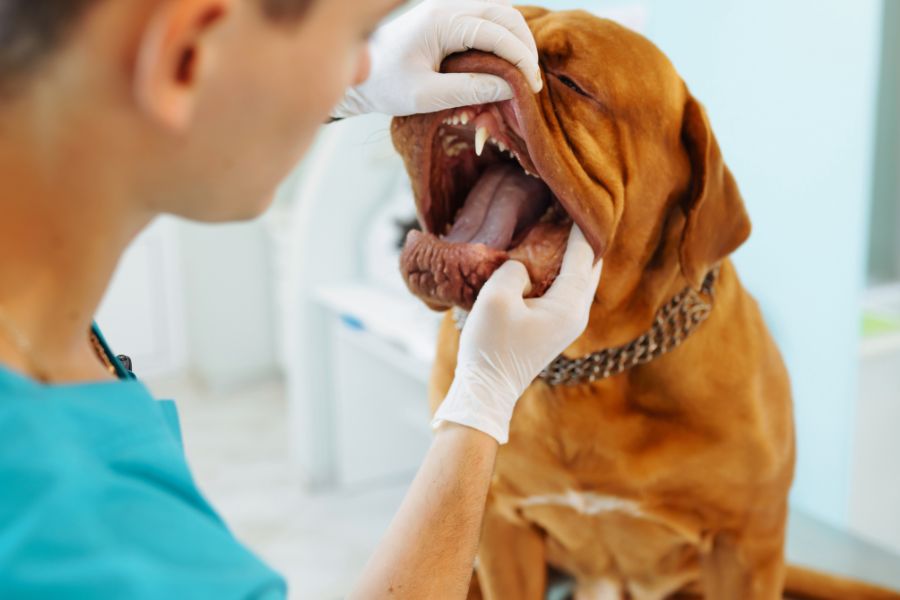
…it’s time to seek pet dentistry. Vets can clean below the gum line, take X-rays, and treat infections that brushing can’t reach. Think of vet cleanings as a deeper, essential layer of care.
Consistency Beats Perfection
The secret to stress-free brushing is consistency. Set a specific time—maybe right after dinner or before bedtime. Once your dog knows what to expect, brushing becomes part of their normal routine.
If you skip a day, don’t worry. Get back to it the next day. Brushing just a few times a week is still better than not at all. Over time, it becomes easier for both of you.
FAQs About Brushing Your Dog’s Teeth
1. What’s the best age to start brushing my dog’s teeth?
As early as 8 to 12 weeks. Starting young makes the process feel normal and builds cooperation as they grow.
2. What if my dog keeps trying to bite the toothbrush?
Let them mouth it gently at first. Offer rewards and keep sessions playful. If biting continues, try a dental wipe or gauze pad instead.
3. Is it safe to skip brushing and just give dental chews?
Chews help, but they’re not enough. Brushing physically removes plaque in ways chews can’t. Use them as a bonus, not a replacement.
4. Can I use a human toothbrush for my dog?
It’s not recommended. Dog toothbrushes have softer bristles and better angles for their mouth shape. They’re more effective and more comfortable for your pup.
5. How do I know if brushing is actually working?
Your dog’s breath will improve, and you’ll see less plaque. Gums should look pink (not red or swollen). Ask your vet during checkups to confirm progress.
6. Where can I get professional dental cleanings for my dog?
Look for local clinics that offer pet dentistry in Rock Hill. A licensed veterinarian will provide deep cleanings, dental X-rays, and advanced care if needed.
Brushing Can Be Easy—Yes, Really
Brushing your dog’s teeth doesn’t have to be a dreaded chore. With the right tools, some patience, and a lot of positivity, you can make it part of your dog’s happy, healthy life. Keep sessions short, use tasty toothpaste, and don’t forget the belly rubs and praise.
And when it’s time for a deeper clean, don’t hesitate to reach out for pet dentistry. With both home care and professional support, your dog’s smile will stay bright for years to come.