
Senior pet dental care is essential to keeping aging dogs and cats healthy, happy, and pain-free. As pets grow older, plaque, tartar, and gum disease can cause infections and even tooth loss if left untreated. Regular dental exams, professional cleanings, and at-home care help prevent these problems early. At Newport Veterinary Hospital in Rock Hill, SC, our veterinary team provides gentle and advanced dental care to improve your senior pet’s comfort and quality of life. Learn how preventive steps can protect your pet’s teeth and overall well-being.
Understanding Senior Pet Dental Care
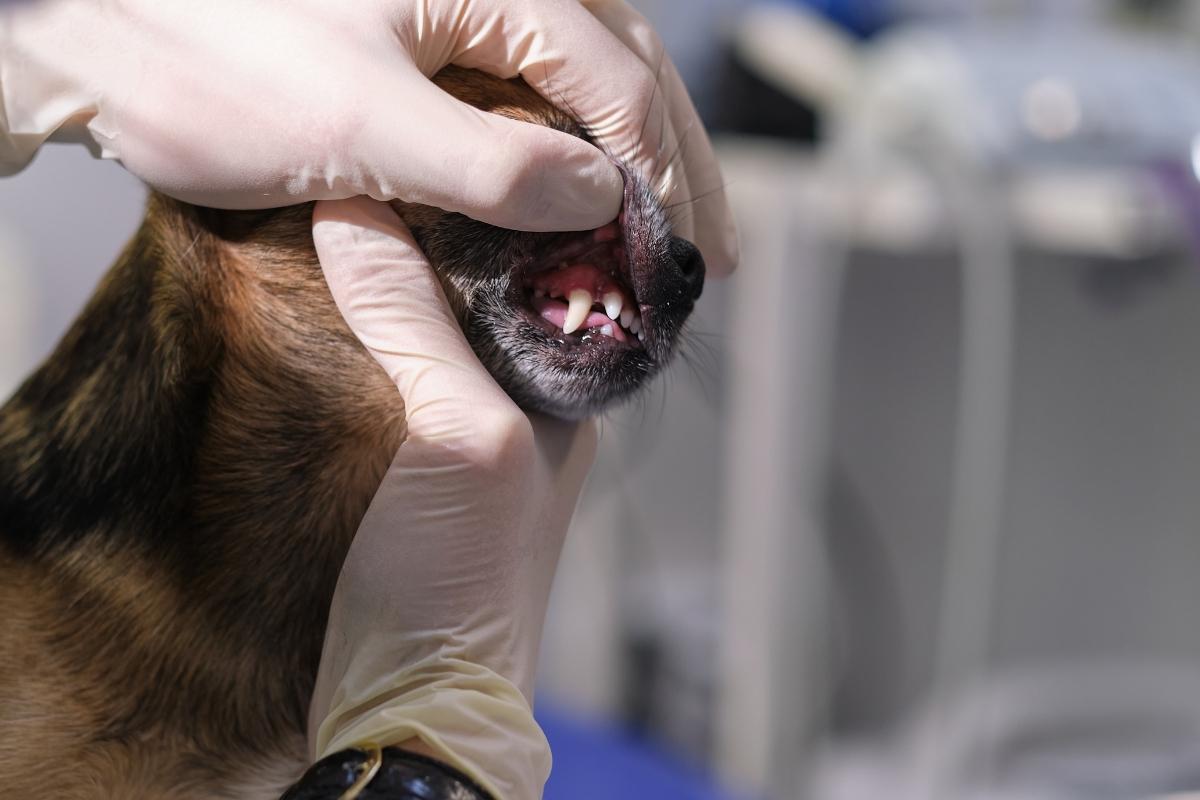
As pets age, their dental health often declines. Senior pet dental care focuses on maintaining healthy teeth and gums while preventing pain, infection, and tooth loss.
Just like humans, pets can suffer from periodontal disease, tartar buildup, and oral infections that spread to vital organs such as the heart and kidneys.
Key signs your senior pet needs dental care:
- Bad breath or drooling
- Difficulty eating or chewing
- Swollen or bleeding gums
- Loose or missing teeth
- Pawing at the mouth
If you notice these symptoms, it’s time for a dental check-up with your veterinarian.
Why Dental Health Is Crucial for Senior Pets
Healthy teeth aren’t just about appearance—they directly affect your pet’s comfort and longevity.
Untreated dental disease in senior dogs and cats can lead to:
- Chronic pain and inflammation
- Difficulty eating or weight loss
- Bacteria entering the bloodstream
- Damage to organs (heart, liver, kidneys)
- Tooth loss and bone deterioration
Early and consistent senior pet dental care minimizes these risks and helps your pet enjoy their golden years comfortably.
Senior Dog Dental Care: Keeping Your Canine’s Smile Bright
Senior dog dental care is essential because dogs often develop gum disease by age three, and it worsens with age.
Common dental issues in senior dogs include:
- Gingivitis and periodontal disease
- Worn or fractured teeth from chewing
- Plaque buildup and tartar stains
At-home care tips:
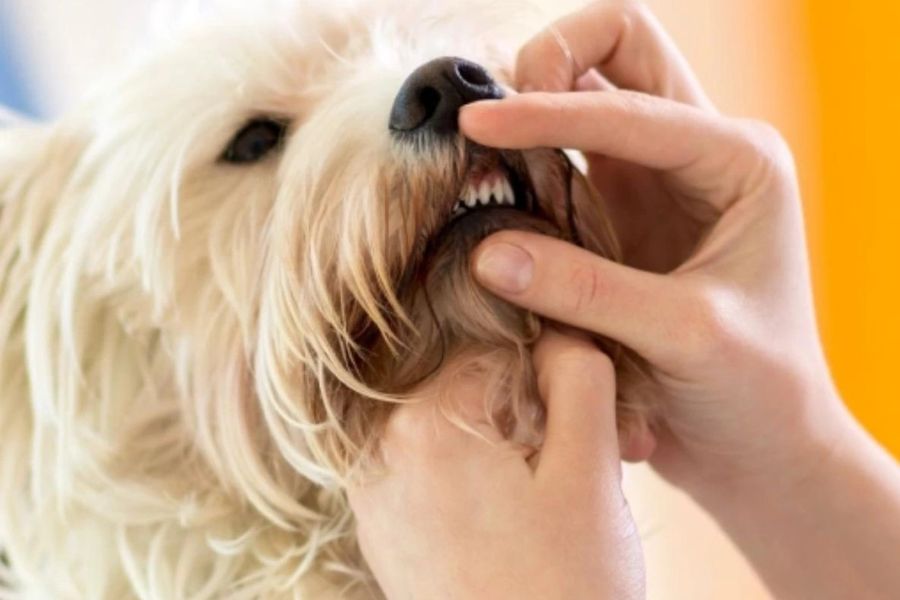
- Brush your dog’s teeth daily using pet-safe toothpaste.
- Offer dental chews approved by your veterinarian.
- Schedule annual or semi-annual professional cleanings.
Routine dental cleaning for senior pets prevents painful infections and helps your dog maintain healthy eating habits and fresh breath.
Senior Cat Dental Care: Gentle Support for Aging Felines
Senior cat dental care is just as vital as it is for dogs. Cats often hide pain, so dental issues may go unnoticed until advanced.
Common feline dental problems include:
- Tooth resorption (painful decay inside the tooth)
- Gingivitis or gum inflammation
- Bad breath and drooling
Prevention strategies for senior cats:
- Schedule annual dental exams and cleanings.
- Feed dental-formula food or crunchy kibble to reduce plaque.
- Use oral rinses or water additives recommended by your vet.
Preventing Tooth Loss in Senior Pets
Tooth loss is often the result of long-term gum disease and bacterial infections. Prevention starts early with consistent senior pet dental care.
Best practices to prevent tooth loss in senior pets:
- Begin regular dental exams around age 5–6.
- Use dental wipes, chews, or rinses at home.
- Maintain balanced nutrition to support gum health.
- Treat oral infections promptly before they worsen.
By staying proactive, pet owners can help prevent pain, maintain oral function, and avoid costly procedures later in life.
At-Home Dental Care for Senior Pets
Home care plays a major role in maintaining your pet’s oral health between vet visits.
Tips for effective home dental care:
- Brush your pet’s teeth 2–3 times a week.
- Use an enzymatic toothpaste made for pets.
- Offer dental treats or toys that reduce plaque.
- Avoid hard bones or objects that may break teeth.
- Watch for changes in eating or drooling habits.
Regular home care combined with professional cleanings is the best way to ensure long-term oral health.
How Often Should Senior Pets Have Dental Exams?
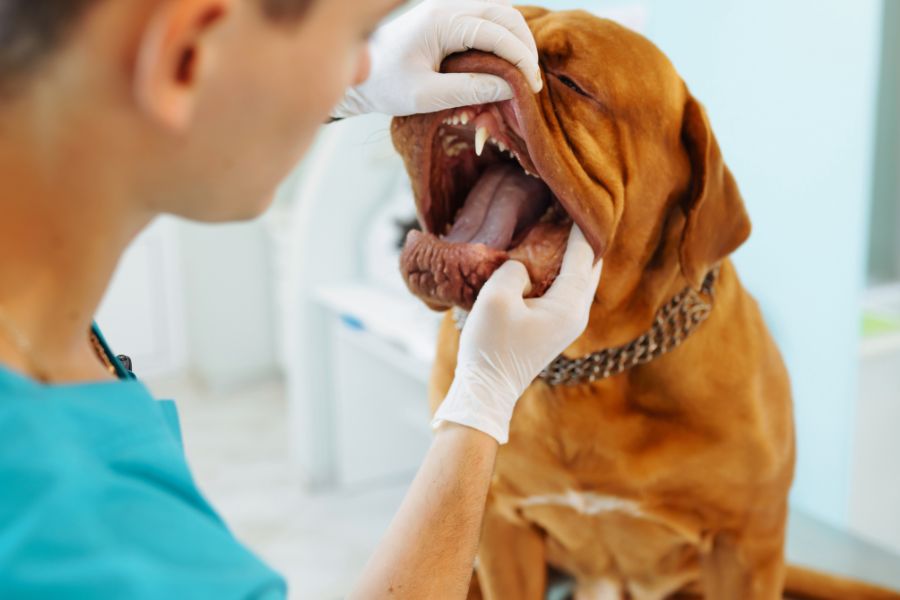
For most senior dogs and cats, dental exams are recommended every 6–12 months. Pets with a history of dental disease may need more frequent check-ups.
Your vet may recommend X-rays or deeper cleanings depending on your pet’s condition. Early detection can save teeth, prevent infections, and protect your pet’s internal organs.
The Connection Between Dental Health and Overall Wellness
Oral bacteria can travel through the bloodstream, affecting organs like the heart, liver, and kidneys. This is why senior pet dental care directly impacts your pet’s general wellness.
Research shows that pets with regular dental care live healthier, longer lives. Preventing gum disease isn’t just about the mouth—it’s about the whole body.
Dental health is a cornerstone of senior pet wellness. Regular exams, cleanings, and home care can prevent pain, infections, and tooth loss, keeping your beloved companion comfortable and healthy.
Suppose you are conveniently located in Rock Hill, SC and searching for the best senior pet care near me. In that case, Newport Veterinary Hospital is the right choice for compassionate, advanced, and reliable care.
FAQs
Q1: Why is dental care important for senior pets?
Ans: Dental care prevents gum disease, infections, and tooth loss while supporting overall health in senior pets through cleanings and early intervention.
Q2: How often should senior pets get dental cleanings?
Ans: Most senior pets need dental cleanings every 6–12 months, depending on oral health, breed, and history of dental disease.
Q3: Is anesthesia safe for senior pets during dental cleaning?
Ans: Yes, with proper pre-anesthetic blood work and monitoring, anesthesia is safe and ensures thorough, pain-free dental care.
Q4: What are signs of dental pain in senior pets?
Ans: Common signs include bad breath, difficulty eating, drooling, or pawing at the mouth. Regular exams help detect issues early.
Q5: How can I prevent tooth loss in senior dogs and cats?
Ans: Combine at-home brushing, dental chews, and routine professional cleanings to prevent decay, gum disease, and tooth loss in senior pets.