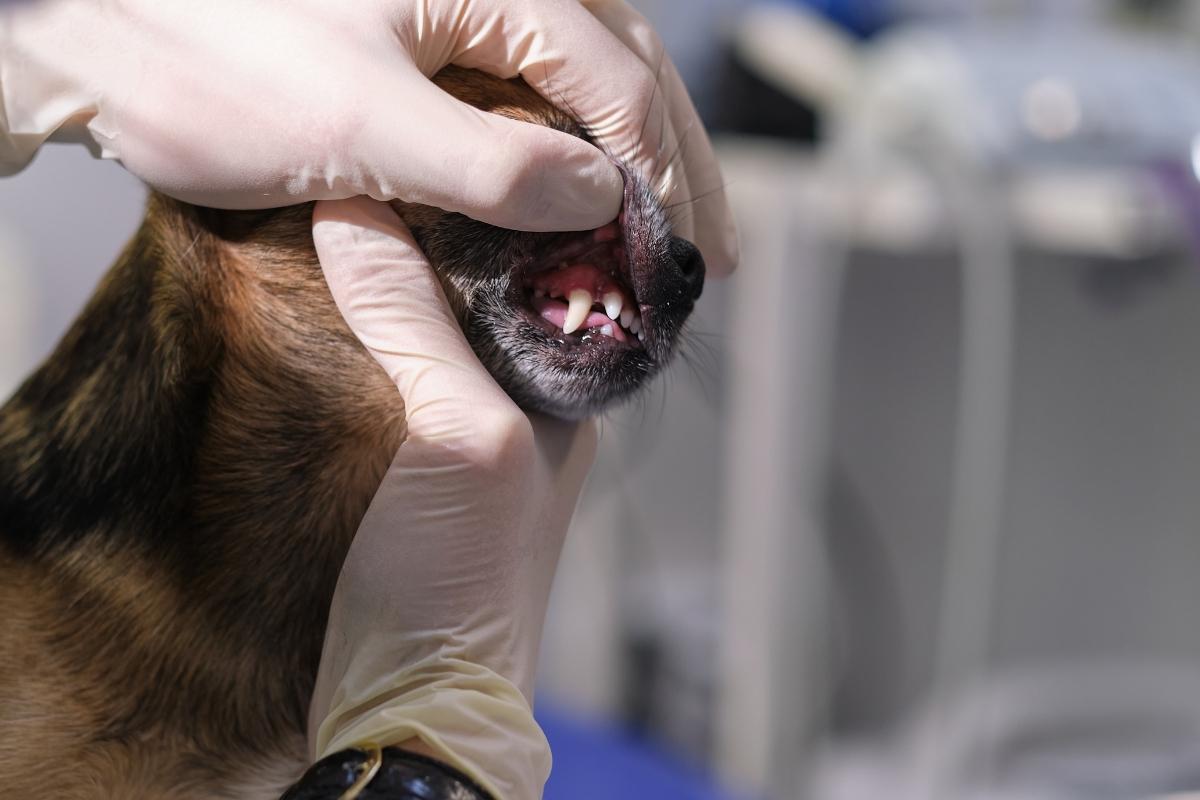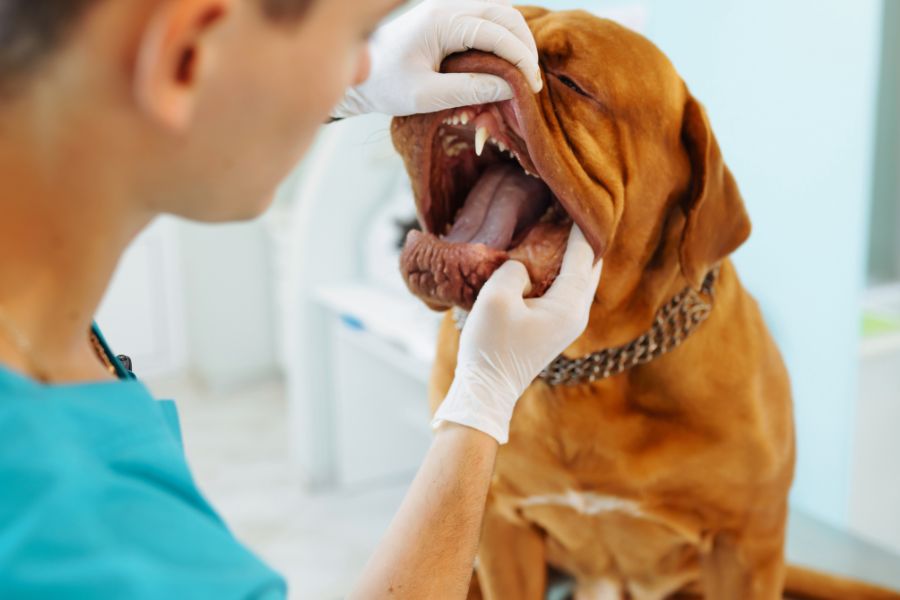


Good dental health is essential for your pet’s overall well-being. Yet many dogs and cats develop hidden dental issues long before they show symptoms. In this ultimate guide to pet dental care, you’ll learn how to spot early dental problems, clean your pet’s teeth effectively, and prevent painful disease. We’ll also cover practical pet dental hygiene tips, dog and cat–specific care, and steps every owner can take to protect their pet’s long-term oral health.
Why Pet Dental Health Matters
Strong oral health is closely tied to your pet’s comfort, longevity, and overall wellness. When plaque and tartar build up, harmful bacteria travel into the bloodstream and affect vital organs such as the heart, liver, and kidneys.
The Hidden Risks of Poor Dental Hygiene
Many dental issues develop silently. Pets instinctively hide pain, making oral disease easy to overlook. Untreated dental problems in pets can lead to:
- Chronic mouth pain
- Difficulty eating
- Gum infections
- Tooth loss
- Bad breath
- Increased risk of systemic infections
Routine pet dental care helps ensure these issues are caught and treated early.
Common Dental Problems in Dogs and Cats
Dental disease is one of the most common health issues in pets, affecting more than 70% of cats and 80% of dogs by age three. Understanding the most frequent dental concerns helps you protect your pet better.
Periodontal Disease
This is the most widespread dental issue in pets, caused by plaque buildup that inflames and damages the gums. Symptoms include redness, bleeding, foul odor, and tartar accumulation.
Gingivitis
Gingivitis occurs when plaque irritates the gumline. It’s reversible with cleanings, but untreated gingivitis progresses into periodontal disease.
Tooth Decay and Cavities
While less common in pets than in humans, decay still occurs—especially in pets consuming sugary treats or poor-quality food.
Broken or Fractured Teeth
Chewing hard bones, rocks, or aggressive play can chip or break teeth, leading to infection and severe pain.
Resorptive Lesions (Cats)
Up to 60% of cats develop painful resorptive lesions where the tooth structure breaks down. They often require extraction.
Early Signs Your Pet May Have Dental Disease
Pets often hide discomfort, so owners must look for subtle clues that dental issues are developing.
Symptoms to Watch For
- Persistent bad breath
- Yellow or brown tartar on teeth
- Swollen or bleeding gums
- Drooling
- Eating on one side of the mouth
- Pawing at the face
- Sudden food aversion
- Behavioral changes such as irritability
Early detection supports better outcomes and easier treatments.
How to Clean Your Pet’s Teeth at Home
Good at-home dental care is one of the most reliable ways to prevent dental disease in dogs and cats. With patience, pets can adapt well to daily brushing.
Step-by-Step Guide to Brushing Your Pet’s Teeth
- Choose a pet-safe toothpaste (never human toothpaste).
- Use a soft-bristled toothbrush designed for dogs or cats.
- Let your pet taste the toothpaste beforehand.
- Lift the lips gently and brush small sections at a time.
- Focus on the outer tooth surfaces where plaque builds quickly.
- Aim for short, daily sessions.
Helpful Tools for At-Home Dental Care
- Finger toothbrushes
- Dental wipes
- Water additives
- Dental sprays
- Enzyme-based gels
- Chew toys designed for plaque reduction
These tools help clean your pet’s teeth on days you can’t brush.
Professional Dental Cleanings: Why They Matter
Professional veterinary cleanings are essential even with good home care. These dental procedures involve scaling, polishing, and digital X-rays under anesthesia for a complete evaluation.
What to Expect During a Vet Dental Cleaning
- Pre-exam and bloodwork
- Safe anesthesia monitoring
- Removal of plaque and tartar
- Gum evaluation
- Tooth-by-tooth probing
- Full-mouth X-rays
- Extractions if necessary
- Fluoride or sealant application
Professional cleanings help prevent hidden disease and maintain long-term pet oral health.
Best Tips to Prevent Dental Disease in Pets
Prevention is the key to a healthier smile and fewer dental procedures.
Daily and Weekly Habits to Reduce Dental Problems
- Brush teeth daily or at least 3–4 times per week
- Choose VOHC-approved dental treats
- Provide crunchy kibble or dental-specific diets
- Schedule annual dental exams
- Avoid giving hard bones, hooves, or antlers
- Use dental water additives for extra plaque control
Nutrition and Dental Health
High-quality diets play a big role in preventing dental issues. Look for formulas labeled for dental support or containing crunchy textures that scrape plaque away naturally.
Dog Dental Health vs. Cat Dental Care: Key Differences
While both species need consistent oral hygiene, certain dental problems appear more commonly in one than the other.
Dog Dental Health
Dogs are more prone to:
- Periodontal disease
- Broken teeth from chewing hard objects
- Tartar buildup in small breeds
- Bad breath from gum infection
Cat Dental Care
Cats frequently suffer from:
- Resorptive lesions
- Stomatitis (severe mouth inflammation)
- Rapid plaque accumulation
- Hidden pain that owners often miss
Knowing these species-specific tendencies helps tailor your pet’s dental care routine.
How Often Should Your Pet Have a Dental Exam?
Most pets should have a dental evaluation at least once a year. Seniors, brachycephalic breeds, and pets with prior dental disease may need exams every six months.
Taking care of your pet’s teeth is one of the most important steps in protecting their long-term health. With regular brushing, proper diets, professional cleanings, and early detection, you can prevent painful problems and ensure your pet enjoys a healthy, happy life.
Suppose you are conveniently located in Rock Hill, SC, and searching for the best pet dental care hospital near me. In that case, Newport Veterinary Hospital is the right choice for compassionate, advanced, and reliable pet care.
FAQs
Q1: What are the early signs of dental problems in pets?
Ans: Early signs include bad breath, red gums, tartar buildup, drooling, and reluctance to eat. Pets may also show behavioral changes or paw at their mouth when experiencing discomfort.
Q2: How often should I clean my pet’s teeth at home?
Ans: Daily brushing is ideal, but even brushing 3–4 times a week significantly reduces plaque. Combine brushing with dental treats or water additives for the best results.
Q3: Do dogs and cats need professional dental cleanings?
Ans: Yes. Professional cleanings remove deep tartar and allow vets to detect hidden issues with X-rays. Even pets with good at-home care need annual dental cleanings.
Q4: What types of treats help with pet dental health?
Ans: VOHC-approved dental chews, crunchy treats, and specially formulated dental diets help scrape plaque from teeth while freshening breath and supporting gum health.
Q5: Can dental disease affect my pet’s overall health?
Ans: Absolutely. Bacteria from dental infections can enter your pet’s bloodstream and affect their heart, liver, and kidneys. Maintaining strong dental hygiene protects their whole body.