
Have you ever been relaxing with your dog when they suddenly start gently nibbling your hand or arm? This behavior can be surprising, especially when your dog seems calm and affectionate. In many cases, gentle nibbling is a normal form of canine communication. Dogs may nibble to show affection, seek attention, groom you, invite play, or simply interact with their favorite person.
However, not every type of nibbling means the same thing. The context, your dog’s body language, age, and the intensity of the behavior can provide important clues. Understanding these signals can help you respond appropriately and recognize when nibbling may indicate an underlying concern.
If your dog’s behavior suddenly changes or becomes more intense, professional guidance can help determine whether the cause is behavioral or medical. Understanding what your dog is communicating is an important part of responsible pet ownership and maintaining a strong human-animal bond.
Why Does My Dog Nibble on Me?
Dogs use their mouths to explore and communicate with the world around them. While humans often rely on facial expressions and verbal communication, dogs use body language, sounds, scent, licking, mouthing, and other behaviors.
A gentle nibble may simply be your dog’s way of interacting with you. Some dogs nibble more frequently when they are excited, while others do it when they want attention or affection.
The important distinction is between gentle, controlled nibbling and hard or escalating biting. A relaxed dog with loose body language and gentle mouth movements is generally communicating differently from a dog that is tense, fearful, or displaying warning signals.
Pay attention to what happens before, during, and after the nibbling. These details can help reveal what your dog is trying to communicate.
Common Reasons Dogs Nibble Their Owners
Affection and Social Bonding
One of the most common explanations for gentle nibbling is social interaction. Dogs often use their mouths as part of normal social behavior. A dog may gently nibble your hand while sitting beside you, particularly when they are relaxed and seeking contact.
Some dogs also lick, nuzzle, paw, or lean against their owners during these interactions. When nibbling occurs alongside a relaxed posture, soft eyes, a loose tail, and other friendly behaviors, it may simply be an affectionate interaction.
That does not necessarily mean every dog enjoys being touched in the same way. Your dog’s individual personality matters, so always watch their body language.
Attention-Seeking Behavior
Dogs quickly learn which behaviors get a reaction from their owners. If your dog nibbles your hand and you immediately pet, talk to, or play with them, they may learn that nibbling is an effective way to get your attention.
This can become a habit over time.
For example, a dog may gently nibble when you are working at your desk because they want interaction. Another dog may nibble your hand when you are talking to someone because they want you to focus on them.
If attention-seeking is the reason, consistently rewarding calm behaviors can be more effective than reacting to the nibbling.
Invitation to Play
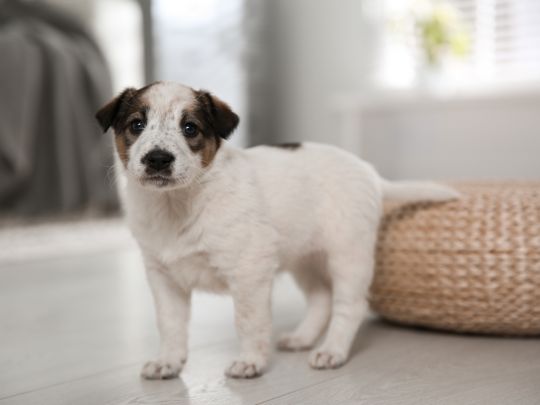
Playful dogs often use their mouths during interaction. Puppies, in particular, may explore toys, hands, clothing, and other objects with their mouths.
A dog that wants to play may combine gentle nibbling with a play bow, bouncing movements, wagging, bringing you a toy, or nudging your hand.
When this happens, redirect the behavior toward an appropriate toy rather than allowing your hands to become the main object of play. This helps your dog understand what is acceptable to mouth and what should be left alone.
Grooming or Social Interaction
Dogs may also use their mouths during social grooming. Gentle licking and nibbling can sometimes resemble grooming behavior between dogs.
Your dog may nibble lightly at your skin, hair, or clothing because they are interacting with you in a way that feels natural to them.
Although this behavior can be harmless, it is still important to establish boundaries if you do not want your dog to continue. Calm redirection can teach your dog alternative ways to interact.
Exploration and Curiosity
Dogs experience their environment through multiple senses, including their mouths. Puppies are especially likely to investigate unfamiliar objects through mouthing and chewing.
A young dog may nibble your fingers because they are curious about texture, movement, smell, or taste. As puppies mature, appropriate training and enrichment can help them develop better habits.
Providing safe chew toys, interactive activities, and mental stimulation can give your dog appropriate outlets for natural mouthing behavior.
How to Tell if Your Dog’s Nibbling Is Friendly
The surrounding body language can tell you much more than nibbling alone.
Friendly or playful nibbling may occur when your dog has:
- A relaxed, loose body
- Soft facial expressions
- A naturally wagging tail
- Relaxed ears
- Playful movements
- A willingness to pause when you move away
- No signs of fear or tension
Context is particularly important. A dog gently nibbling while cuddling on the couch is behaving very differently from a dog that suddenly stiffens and bites when someone approaches their food.
Dogs communicate through their entire bodies, so avoid interpreting one behavior in isolation. Newport Veterinary Hospital similarly emphasizes the importance of looking at posture, ears, eyes, tail position, and other signals when understanding canine behavior.
When Should You Be Concerned About Dog Nibbling?
Not all mouth-related behavior should be dismissed as harmless. Pay closer attention if nibbling becomes sudden, frequent, intense, or difficult to interrupt.
You should be more cautious if your dog:
- Begins biting harder than usual
- Growls or snarls during the behavior
- Shows stiff or rigid body language
- Frequently displays their teeth
- Guards food, toys, or resting areas
- Becomes unusually irritable
- Attempts to bite when touched
- Shows other sudden behavioral changes
A change in behavior can sometimes be associated with fear, stress, discomfort, or an underlying medical issue. Dogs cannot verbally explain when something hurts, so changes in behavior can provide important clues.
If your dog suddenly becomes unusually mouthy or reacts negatively to touch, a veterinary evaluation can help rule out potential physical causes.
How Can I Stop My Dog From Nibbling Me?
If your dog’s nibbling is becoming annoying or inappropriate, avoid encouraging the behavior accidentally.
Redirect the Behavior
When your dog starts nibbling, calmly remove your hand and offer an appropriate toy. Praise your dog when they engage with the toy instead.
The goal is not simply to stop the behavior. It is to teach your dog what they should do instead.
Avoid Rough Hand Play
Using your hands as toys can make it harder for a dog to understand boundaries. Wrestling with hands or encouraging playful biting may unintentionally reinforce mouthing.
Instead, use toys that create some distance between your hands and your dog’s mouth.
Reward Calm Interaction
Pay attention to your dog when they are calm. Reward sitting quietly, resting beside you, offering a toy, or gently nudging you instead of nibbling.
Positive reinforcement can help your dog learn that calm communication gets attention.
Provide Enough Mental and Physical Activity
Boredom and excess energy can contribute to unwanted behaviors. Regular walks, age-appropriate exercise, puzzle toys, training games, and supervised play can provide healthy outlets.
The right amount of activity depends on your dog’s age, breed, health, and individual personality.
Why Understanding Your Dog’s Body Language Matters
Nibbling is only one piece of your dog’s communication system. Learning to recognize body language can help you understand whether your pet is relaxed, excited, uncomfortable, fearful, or overstimulated.
For example, a loose body and playful movements generally communicate something different from a stiff posture, prolonged stare, or avoidance. Subtle behaviors such as lip licking, yawning, turning away, or freezing can also indicate stress in certain situations.
Learning these signals can prevent misunderstandings. It can also help you identify changes that deserve closer attention.
When to Contact a Veterinarian About Your Dog’s Behavior
If your dog’s nibbling is accompanied by other unusual changes, professional advice is worthwhile. Contact a veterinarian if your dog suddenly becomes more irritable, withdrawn, aggressive, sensitive to touch, or unusually anxious.
A veterinary examination can help determine whether a medical problem could be contributing to the behavior. Depending on the situation, your veterinarian may also recommend behavioral strategies or additional professional support.
Regular veterinary care is an important part of monitoring changes in your pet’s overall health and behavior. Veterinary teams can discuss concerns about appetite, sleep, activity, pain, and behavior during an examination. Newport Veterinary Hospital notes that changes in behavior, sleeping patterns, appetite, or signs of pain are reasons to arrange a veterinary visit.
For pet owners searching for a veterinarian near you, choosing a practice that understands both medical and behavioral concerns can make it easier to address changes early.
Finding a Vet in Rock Hill for Behavioral Concerns
When you are looking for a vet in Rock Hill, consider a veterinary practice that can evaluate your dog as a whole rather than focusing on one behavior alone. A detailed history can help your veterinarian understand when the nibbling started, how often it occurs, what triggers it, and whether other changes are present.
Keeping notes about your dog’s behavior before an appointment can be useful. You can record what happens immediately before the nibbling, how your dog responds when redirected, and whether the behavior occurs around food, toys, visitors, children, or physical contact.
These observations can give your veterinary team valuable information.
Choosing an Animal Hospital in Rock Hill
A reliable animal hospital in Rock Hill can be an important resource when your dog’s behavior changes or you have questions about unusual habits. Veterinary care should address both your concerns and your pet’s overall well-being.
A comprehensive veterinary practice may be able to provide examinations, diagnostic services, dental care, surgical services, preventive care, pain management, and other forms of support. Newport Veterinary Hospital provides a range of veterinary services for dogs, including diagnostic care, dental services, surgical care, pain management, and wellness services.
If your dog’s nibbling is persistent, worsening, or accompanied by signs of discomfort, it is better to discuss the behavior rather than assuming it is simply a quirky habit. You can schedule for an appointment and share your observations with the veterinary team so they can determine whether further evaluation is appropriate.
Conclusion
Gentle dog nibbling is often a normal way for dogs to interact with people. Your dog may be showing affection, seeking attention, inviting play, grooming you, or exploring their surroundings. However, context and body language are essential for understanding what the behavior means.
Pay attention to whether your dog remains relaxed and playful or begins showing signs of fear, tension, discomfort, or aggression. Sudden behavioral changes deserve particular attention because they can sometimes indicate an underlying problem.
If you are concerned about persistent nibbling or another change in your dog’s behavior, professional guidance can provide reassurance and help you choose an appropriate response. For compassionate veterinary support and comprehensive pet care in Rock Hill, Newport Veterinary Hospital is available to help you better understand and care for your dog’s health and behavior.
FAQs
1. Why does my dog gently nibble my hand?
Ans: Gentle nibbling can be related to affection, attention-seeking, play, grooming, curiosity, or learned behavior. Look at your dog’s overall body language and the situation surrounding the behavior.
2. Is it normal for puppies to nibble on people?
Ans: Yes, puppies commonly explore their surroundings with their mouths. However, teaching appropriate boundaries early can help prevent mouthing from becoming an unwanted habit as the puppy grows.
3. How can I stop my dog from nibbling me?
Ans: Calmly redirect your dog toward an appropriate chew or play toy. Avoid encouraging hand-based rough play, and reward your dog when they interact with you calmly.
4. Does nibbling mean my dog is showing affection?
Ans: It can. Some dogs use gentle mouthing, licking, or nibbling as part of friendly social interaction. However, the meaning depends on your dog’s body language and the context.
5. When is dog nibbling a sign of a problem?
Ans: Nibbling deserves closer attention when it becomes sudden, aggressive, painful, difficult to interrupt, or associated with growling, stiffness, fear, sensitivity to touch, or other behavioral changes.
6. Should I take my dog to a veterinarian for excessive nibbling?
Ans: If the behavior is new, worsening, or accompanied by other changes, a veterinary examination can help determine whether an underlying medical or behavioral concern may be involved.