
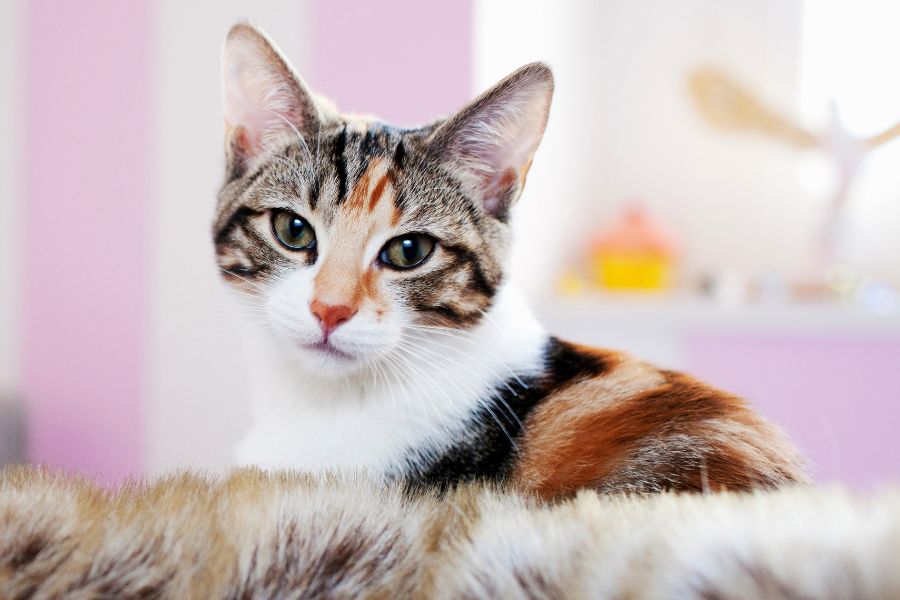
Seeing discharge around your pet’s eyes can be unsettling, especially when it appears suddenly or keeps returning. A small amount of clear tearing may be normal, but changes in color, thickness, amount, or frequency can sometimes indicate an underlying problem. Eye discharge may result from minor irritation, allergies, dry eye, infection, a foreign object, or other eye conditions that require veterinary attention.
Knowing what different types of eye discharge can mean helps pet owners recognize when professional evaluation is appropriate. Early attention is particularly important because some eye problems can worsen quickly and affect your pet’s comfort or vision.
What Is Normal Eye Discharge in Dogs and Cats?
Healthy pets may occasionally have a small amount of clear or slightly cloudy discharge in the corners of their eyes. This can happen after sleeping or following exposure to dust, pollen, or other mild irritants.
Normal discharge is generally:
- Small in quantity
- Clear or slightly whitish
- Easily removed with a clean, damp cloth
- Not associated with redness or swelling
- Not accompanied by squinting or obvious discomfort
Some pets naturally produce more tears than others. However, a noticeable change from your pet’s usual eye appearance deserves attention.
Pet owners looking for an animal hospital near you should consider seeking veterinary guidance when eye discharge becomes persistent, changes appearance, or occurs alongside other symptoms.
When Is Pet Eye Discharge a Cause for Concern?
Not every instance of eye discharge means your pet has a serious condition. However, certain changes can signal that an examination is needed.
Yellow or Green Eye Discharge
Thick yellow or green discharge can indicate inflammation or infection. It may accumulate around the eyelids and return shortly after cleaning.
If this type of discharge continues, your pet should be evaluated by a veterinarian. The underlying cause needs to be identified before appropriate treatment can be recommended.
Excessive Tearing
Watery eyes may occur because of environmental irritants, allergies, blocked tear drainage, or problems affecting the surface of the eye.
Constant tearing can also cause the fur beneath the eyes to remain damp. Over time, this may result in staining or skin irritation.
Red or Bloodshot Eyes
Redness may develop when the tissues surrounding the eye become irritated or inflamed. It can occur alongside discharge, watering, swelling, or sensitivity to light.
Persistent redness should not be ignored, particularly when your pet is squinting or rubbing the affected eye.
Squinting or Keeping an Eye Closed
A pet that repeatedly squints or keeps one eye closed may be experiencing pain or significant irritation. Scratches to the eye surface, foreign material, inflammation, and other conditions can cause this behavior.
Because eye problems can progress quickly, noticeable discomfort warrants prompt veterinary evaluation.
Swelling Around the Eye
Swelling of the eyelids or tissues surrounding the eye can have several causes. Insect exposure, trauma, inflammation, infection, and other conditions may contribute to swelling.
If swelling appears suddenly or is accompanied by discharge, pain, or behavioral changes, veterinary assessment is recommended.
Common Causes of Eye Discharge in Pets
Eye discharge is a symptom rather than a diagnosis. Several conditions can produce similar signs, which is why professional evaluation may be necessary.
Allergies and Environmental Irritants
Dust, pollen, smoke, cleaning products, and other environmental substances can irritate a pet’s eyes. Allergic reactions may also cause increased tearing, redness, or rubbing.
Reducing exposure to the suspected irritant may help in mild cases, but persistent symptoms should still be discussed with a veterinarian.
Conjunctival Inflammation
The conjunctiva is the thin tissue surrounding the eye and lining the inside of the eyelids. Inflammation in this area can cause redness, watery eyes, mucus, and discharge.
The underlying trigger may vary, so treatment depends on the cause.
Dry Eye
Some pets do not produce enough tears to keep the surface of the eye adequately lubricated. This condition can result in thick discharge, redness, irritation, and discomfort.
Because insufficient tear production can affect the health of the eye surface, veterinary assessment is important when these signs persist.
Foreign Objects
A small piece of grass, dirt, hair, or another foreign material can become trapped around or within the eye. Your pet may respond by blinking repeatedly, pawing at the face, squinting, or producing excessive tears.
Attempting to remove an object that is stuck to the eye can cause additional injury. A veterinarian should handle objects that cannot be easily and safely removed.
Corneal Injuries
The cornea is the transparent outer surface of the eye. Scratches or other injuries can cause significant discomfort, tearing, redness, and squinting.
Because corneal problems may worsen without appropriate care, pets showing these symptoms should be examined promptly.
How Veterinarians Evaluate Eye Discharge
When you visit an animal hospital in Rock Hill, the veterinarian may begin with a detailed history and physical examination. You may be asked when the discharge started, whether it affects one or both eyes, and whether your pet has shown other behavioral or physical changes.
Depending on the findings, the veterinarian may examine:
- The eyelids and surrounding tissues
- The surface of the eye
- Tear production
- The size and appearance of the pupils
- The response of the eyes to light
- Signs of scratches or ulcers
- Possible foreign material
- Evidence of inflammation or infection
Additional diagnostic testing may be recommended when the cause is unclear. A thorough evaluation helps distinguish simple irritation from conditions that require more specific treatment.
What Pet Owners Should Do About Eye Discharge
If your pet develops mild discharge without other concerning symptoms, you can gently clean the area around the eye with a clean, damp cloth. Use a separate clean section of the cloth for each eye to reduce the possibility of spreading contaminants.
Avoid putting human eye drops or leftover medications into your pet’s eyes unless specifically directed by a veterinarian. Different eye conditions can look similar but require very different treatments.
You should also prevent your pet from repeatedly rubbing or scratching the affected area. Excessive rubbing can worsen irritation or cause additional damage.
Most importantly, monitor whether the discharge improves or becomes more frequent.
Signs Your Pet Needs Prompt Veterinary Attention
Some eye symptoms should receive veterinary attention sooner rather than later. Contact a veterinary professional if your pet develops:
- Thick yellow, green, or bloody discharge
- Significant redness
- Persistent squinting
- An eye that remains closed
- Sudden swelling
- Cloudiness or a change in the appearance of the eye
- Excessive rubbing or pawing at the face
- Sudden changes in vision or navigation
- Severe sensitivity to light
- Discharge that repeatedly returns
- Symptoms following an injury to the eye
A pet may continue eating and behaving normally despite having an uncomfortable eye condition. Therefore, normal appetite or energy does not necessarily mean the eye problem can be ignored.
Why Regular Veterinary Care Matters for Eye Health
Eye health is an important part of overall veterinary care. During routine examinations, veterinarians can evaluate the eyes along with other aspects of your pet’s physical health.
Early identification of eye abnormalities can make it easier to address underlying problems before they become more complicated. It also gives pet owners an opportunity to discuss recurring tearing, discharge, irritation, or changes in their pet’s vision.
If you are searching for vets in Rock Hill, choosing a veterinary team that can provide comprehensive examinations can help you address both obvious symptoms and less noticeable changes in your pet’s health.
How to Help Protect Your Pet’s Eyes at Home
Pet owners can take several simple steps to support healthy eyes:
Keep the Face Clean
Gently remove accumulated discharge with a clean, damp cloth. Avoid harsh soaps or cleaning products around the eyes.
Reduce Exposure to Irritants
Keep pets away from smoke, strong fragrances, dust, and chemical fumes whenever possible. These substances can irritate sensitive eye tissues.
Keep Hair Away From the Eyes
Long facial hair can sometimes rub against the eye or trap debris. Regular grooming can help keep the area around the eyes cleaner.
Watch for Changes
Become familiar with how your pet’s eyes normally look. Changes in color, discharge, tearing, or behavior may be easier to recognize when you know what is typical for your pet.
Avoid Self-Treatment
Using medications without veterinary guidance can sometimes make an eye condition worse. A veterinarian should determine the appropriate treatment based on the underlying cause.
Give Your Pet’s Eye Health the Attention It Deserves
Eye discharge can have many causes, ranging from temporary irritation to conditions that require veterinary treatment. Paying attention to the color and consistency of the discharge, along with symptoms such as redness, squinting, swelling, or excessive tearing, can help you recognize when your pet needs professional attention.
If your pet’s eye discharge persists or is accompanied by concerning changes, schedule for an appointment with a veterinary professional for an appropriate evaluation. For dependable veterinary care and compassionate support from experienced professionals, Newport Veterinary Hospital serves pet owners seeking an animal hospital in Rock Hill and comprehensive care for their pets.
Frequently Asked Questions
1. Is a small amount of eye discharge normal in pets?
Ans: A small amount of clear discharge can be normal, particularly after sleeping. However, persistent, thick, colored, or increasing discharge should be evaluated by a veterinarian.
2. Why is my pet’s eye discharge yellow or green?
Ans: Yellow or green discharge can occur with inflammation or infection, although other conditions may produce similar symptoms. A veterinary examination can help determine the underlying cause.
3. Should I be concerned if my pet keeps squinting?
Ans: Yes. Persistent squinting can indicate pain or irritation. Corneal injuries, inflammation, foreign material, and other eye problems can cause squinting and should be evaluated.
4. Can I use human eye drops for my pet?
Ans: You should not use human eye drops unless your veterinarian specifically recommends them. Some products may be inappropriate for pets or unsuitable for certain eye conditions.
5. Why does my pet have watery eyes?
Ans: Excessive tearing can result from irritation, allergies, blocked tear drainage, inflammation, or other eye problems. Persistent watering should be discussed with a veterinary professional.
6. When should I take my pet to a veterinarian for eye discharge?
Ans: Seek veterinary care when discharge is thick, colored, bloody, persistent, or accompanied by redness, swelling, squinting, pain, cloudiness, or changes in vision. Prompt evaluation can help identify the cause and protect your pet’s eye health.