
Temperature changes can affect pets differently, even when they live in the same home. Dogs and cats have different body structures, coats, behaviors, and habits that influence how they respond to cold and heat. Understanding these differences can help pet owners recognize when their companions may need extra support as the seasons change.
While some pets happily spend time outdoors in changing weather, others may become uncomfortable much sooner. Age, breed, body size, coat type, overall health, and activity level can all influence temperature tolerance. Pet owners can use these factors to make thoughtful decisions about indoor comfort, outdoor activities, hydration, and daily routines.
How Dogs Respond to Temperature Changes
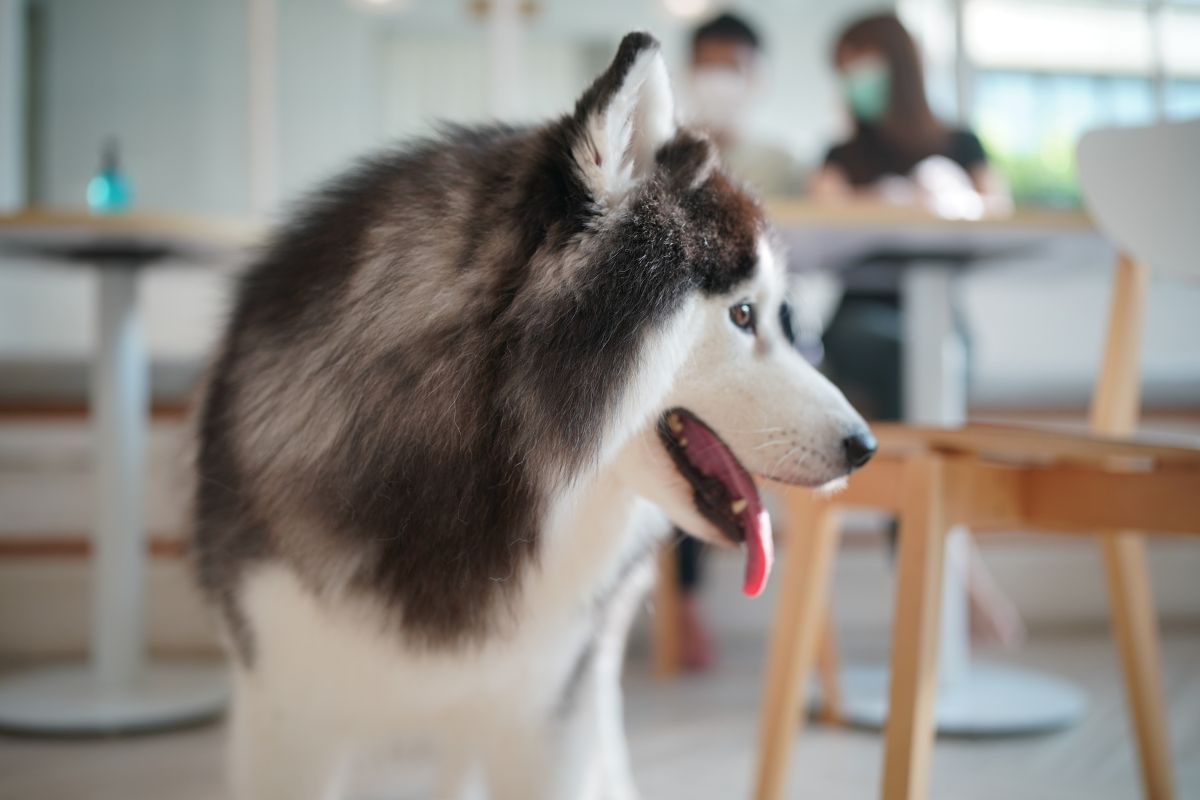
Dogs have several ways of regulating body temperature, but their ability to handle changing weather varies significantly between breeds and individuals. A thick-coated dog, such as a Siberian Husky, may tolerate cooler conditions better than a short-haired breed. However, a thick coat does not automatically make a dog comfortable in every temperature.
Dogs primarily cool themselves through panting. When a dog pants, moisture evaporates from the respiratory tract and helps release body heat. Dogs also release some heat through their paw pads, but panting remains an important cooling mechanism.
In colder conditions, dogs may conserve body heat by curling up, seeking warm areas, or reducing their activity. Smaller dogs, puppies, senior dogs, and dogs with certain health conditions may be more sensitive to cold temperatures.
Pet owners in Rock Hill should pay attention to changes in behavior during seasonal temperature shifts. Shivering, reluctance to move outside, seeking warm spaces, excessive panting, or unusual tiredness can indicate that a dog is struggling to remain comfortable.
How Cats Handle Changing Temperatures
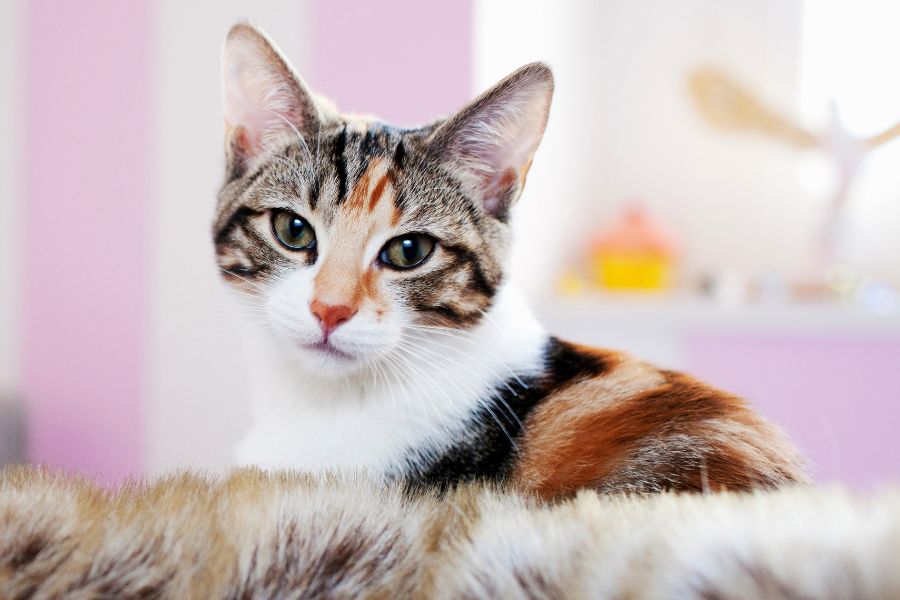
Cats also regulate their body temperature, but their behavior often makes temperature changes less obvious. Cats naturally seek comfortable environments and may move between sunny windows, warm bedding, shaded areas, and cooler floors depending on the weather.
Unlike dogs, cats generally do not rely on panting as their primary way of managing heat. They may groom themselves more frequently in warm conditions because saliva evaporating from their fur can contribute to cooling.
During colder weather, cats often conserve warmth by curling into a compact position and choosing insulated resting areas. Indoor cats may spend more time near heating vents, blankets, or other warm locations.
Because cats are skilled at hiding discomfort, subtle changes can be easy to overlook. A cat that suddenly becomes less active, changes its sleeping location, drinks differently, or avoids certain areas of the home may be responding to environmental changes.
Regular pet preventative care can help a veterinarian identify health factors that may affect how a cat handles temperature changes.
Why Breed, Age, and Health Matter for a Vet in Rock Hill
Not every dog or cat responds to temperature in the same way. Breed and coat characteristics are important, but they are only part of the picture.
Age can make a significant difference. Young pets are still developing their ability to regulate body temperature, while senior pets may have reduced tolerance for environmental changes. Older animals may also experience age-related changes affecting mobility, metabolism, or overall comfort.
Body condition is another factor. Pets that are underweight may have less insulation against cold temperatures, while overweight pets may have more difficulty staying comfortable in hot conditions.
Underlying health concerns can also influence temperature tolerance. A veterinarian can evaluate your pet’s overall condition and recommend appropriate environmental adjustments based on their individual needs.
If you are looking for a veterinarian in Rock Hill, routine wellness visits can be useful for monitoring changes in weight, behavior, mobility, and overall health. Newport Veterinary Hospital’s wellness approach includes comprehensive physical examinations and age-appropriate diagnostics to support early identification of potential health concerns.
Creating a Comfortable Home Environment for Dogs and Cats
Maintaining a comfortable indoor environment is one of the simplest ways to help pets adjust to seasonal temperature changes.
During colder periods, provide pets with a dry, comfortable resting area away from drafts. Soft bedding can give dogs and cats a place to conserve body heat. Cats may also appreciate elevated sleeping areas where they can choose a warmer location.
When temperatures rise, make sure pets have access to fresh water and cooler areas. Good airflow and shaded resting spaces can help them stay comfortable. Avoid encouraging strenuous activity during the hottest parts of the day, particularly for pets that are older, overweight, or have thick coats.
Pet owners should also consider their pet’s normal behavior. A change in sleeping habits, appetite, activity, grooming, or water consumption can sometimes provide useful clues about how a pet is coping with environmental changes.
Temperature Changes and Pet Preventative Care
Seasonal changes are a good reminder to evaluate your pet’s overall health routine. Preventative care is not limited to a single season. Regular veterinary examinations allow your pet’s health to be monitored over time and can help identify changes that may influence their comfort and quality of life.
For example, maintaining a healthy weight can support mobility and temperature tolerance. Proper nutrition provides the energy pets need to maintain normal body functions, while routine examinations allow a veterinarian to track changes as your pet ages.
Newport Veterinary Hospital emphasizes individualized wellness care based on factors such as species, breed, age, and environmental challenges. Its wellness program includes physical examinations and appropriate screening tests to help monitor pets throughout their lives.
When to Consult a Veterinarian in Rock Hill
Knowing your pet’s normal behavior makes it easier to notice meaningful changes. If your dog or cat consistently struggles with temperature changes, has unusual changes in activity, or develops persistent changes in eating, drinking, sleeping, or grooming habits, a veterinary evaluation may be appropriate.
A veterinarian can assess your pet’s overall health and determine whether an underlying condition may be affecting their ability to tolerate temperature changes.
For pet owners searching for an animal hospital near you, choosing a veterinary team that understands your pet’s age, breed, lifestyle, and health history can make ongoing care more consistent.
Supporting Your Pet Through Every Season
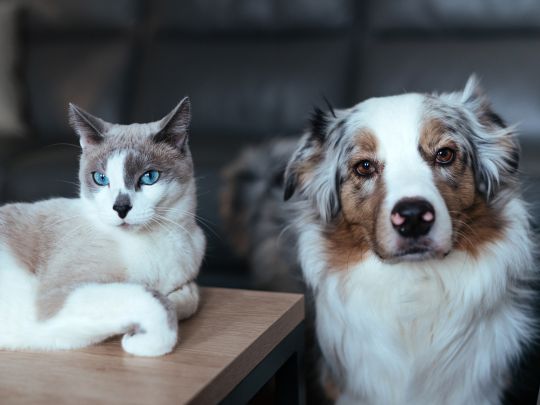
Dogs and cats may share your home, but they do not necessarily experience temperature changes in the same way. Paying attention to species-specific behaviors and individual factors can help you create a more comfortable environment throughout the year.
Routine wellness care also provides an opportunity to discuss changes in your pet’s behavior, weight, activity, and overall comfort. If you have concerns about how your pet responds to changing temperatures, schedule an appointment with our animal hospital for guidance based on your pet’s individual needs.
At Newport Veterinary Hospital, pet owners in Rock Hill can access preventive and wellness-focused veterinary services designed to support pets throughout every stage of life.
FAQs
1. Do dogs and cats feel temperature changes differently?
Ans: Yes. Dogs and cats use different behaviors and physiological mechanisms to regulate body temperature. Individual tolerance also varies based on breed, coat, age, body condition, activity level, and health.
2. Are some dogs more sensitive to cold temperatures?
Ans: Yes. Small dogs, short-haired breeds, puppies, senior dogs, and pets with certain health concerns may be less tolerant of cold conditions than larger or thick-coated dogs.
3. Why does my cat look for warm places when it is cold?
Ans: Cats naturally seek warm, comfortable locations when temperatures drop. Curling up, sleeping in enclosed areas, or resting near warm surfaces can help them conserve body heat.
4. How can I help my pet stay comfortable during seasonal changes?
Ans: Provide appropriate bedding, fresh water, comfortable indoor temperatures, and access to areas where your pet can move away from heat or cold. Monitor changes in behavior and activity as the weather changes.
5. Can a pet’s health affect temperature tolerance?
Ans: Yes. Age, body condition, chronic health concerns, and other individual factors can influence how well a pet handles temperature changes. Routine veterinary care can help identify factors that may affect comfort.
6. When should I discuss temperature sensitivity with a veterinarian?
Ans: If your pet consistently appears uncomfortable during seasonal changes or you notice persistent changes in behavior, activity, appetite, drinking, or grooming, discuss those observations with a veterinarian.