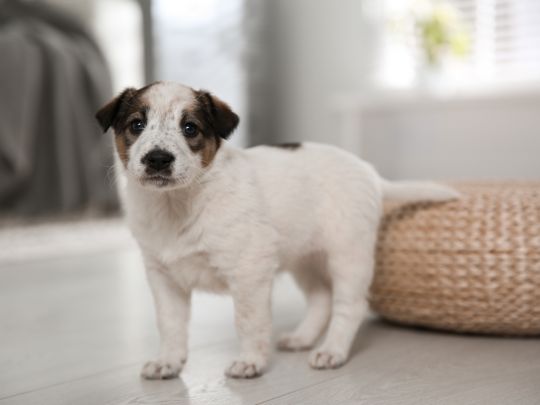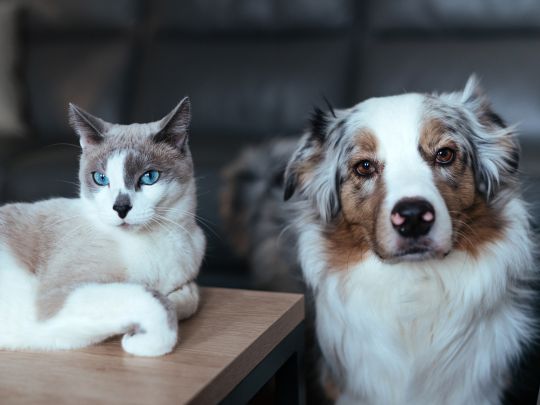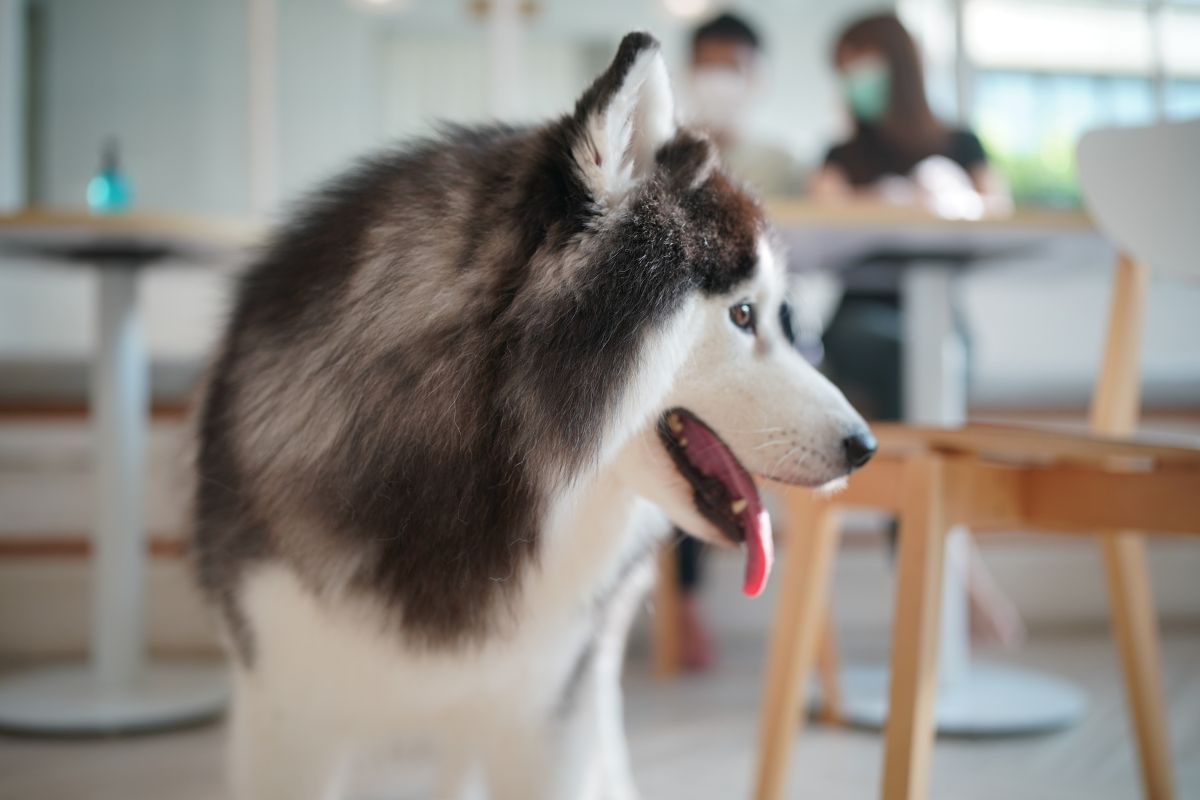

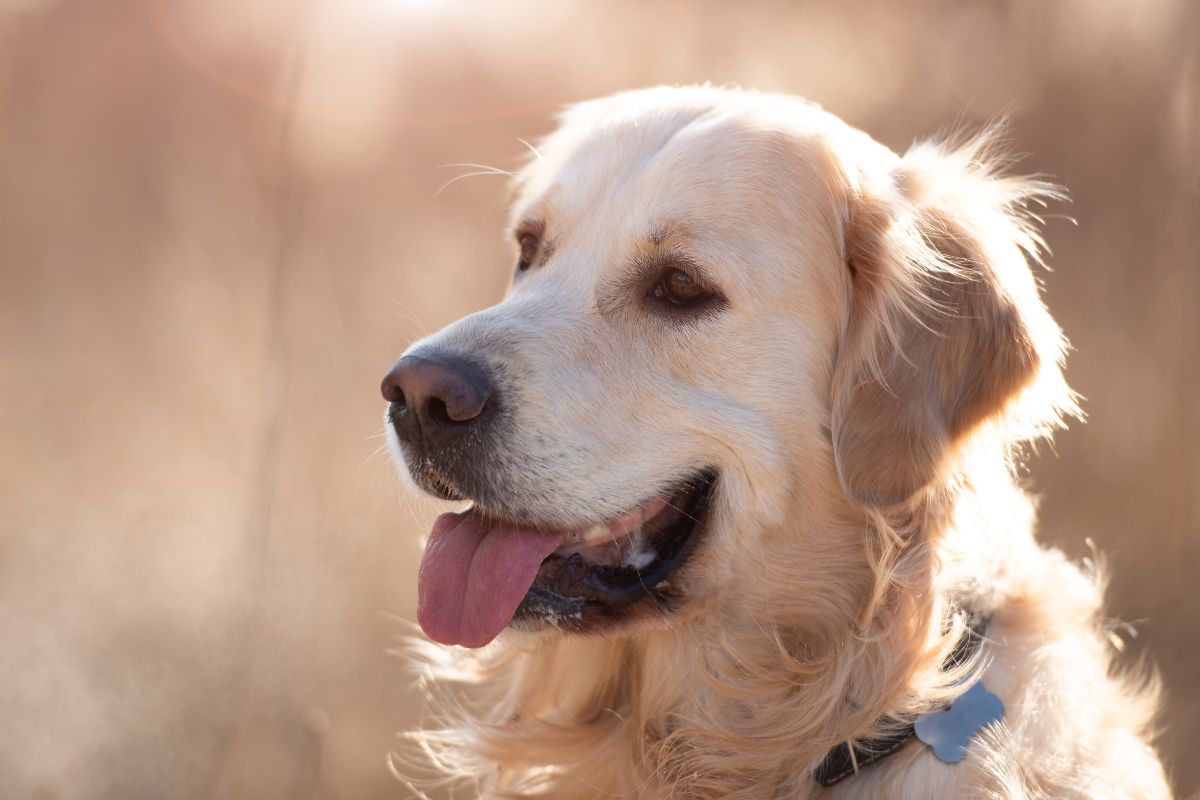
Summer is one of the best times of the year to enjoy outdoor celebrations with family, friends, and pets. Backyard barbecues, neighborhood gatherings, community festivals, and Fourth of July festivities bring excitement, but they can also expose pets to seasonal hazards. High temperatures, loud noises, crowded environments, and unfamiliar foods can quickly turn a fun day into a stressful experience for your furry companion.
By understanding the risks and taking preventive measures, pet owners can help their dogs and cats stay safe throughout the season. Whether you’re planning a picnic, attending a fireworks celebration, or simply spending more time outdoors, knowing how to protect your pet is essential. If concerns arise, seeking urgent vet care promptly can help prevent minor issues from becoming serious.
Why Summer and Fourth of July Can Be Challenging for Pets
Unlike people, pets have limited ways to cool themselves. Dogs primarily regulate body temperature by panting, while cats rely on grooming and finding cool places to rest. Long periods outdoors, especially during peak afternoon temperatures, can quickly lead to overheating.
The Fourth of July also introduces additional challenges, including:
- Fireworks and loud celebrations
- Crowded public events
- Increased travel and unfamiliar surroundings
- Hot pavement and surfaces
- Access to unsafe human foods
- Decorations and party supplies that may be hazardous
Pet owners should prepare ahead to minimize these risks and keep celebrations enjoyable for everyone.
Recognize the Signs of Heat Stress
One of the biggest concerns during summer events is heat-related illness. Heat stress can develop faster than many pet owners realize, particularly in older pets, puppies, kittens, overweight animals, and breeds with shorter noses.
Watch for symptoms such as:
- Excessive panting
- Heavy drooling
- Bright red gums
- Weakness or fatigue
- Vomiting
- Difficulty walking
- Rapid heartbeat
- Confusion or disorientation
If your pet begins showing these signs, immediately move them into a cool, shaded area and offer fresh water. Contact a veterinarian as soon as possible, since heat-related illnesses can worsen rapidly without treatment.
Plan Outdoor Activities Around Cooler Hours
Summer temperatures often peak between late morning and early evening. Whenever possible, schedule walks, outdoor playtime, and exercise during:
- Early morning
- Late evening
- Cooler parts of the day
These times help reduce the risk of overheating while making outdoor activities more comfortable.
Families searching for experienced vets in Rock Hill often receive guidance on creating safe summer routines that match their pet’s age, breed, and activity level.
Always Provide Shade and Fresh Water
Hydration plays a major role in preventing heat-related problems.
Whenever spending time outdoors:
- Bring plenty of cool, clean water
- Carry a portable water bowl
- Encourage frequent drinking breaks
- Provide shaded resting areas
- Never leave your pet in direct sunlight for extended periods
Even on mild summer days, pets can become dehydrated more quickly than expected.
Protect Sensitive Paw Pads
Many owners don’t realize that sidewalks, asphalt, and concrete absorb heat rapidly. These surfaces can become hot enough to burn paw pads even when the air temperature seems manageable.
Before taking your dog for a walk:
- Place your hand on the pavement for several seconds.
- If it’s too hot for your hand, it’s too hot for your pet’s paws.
- Walk on grass whenever possible.
- Consider protective dog booties if walking on warmer surfaces is unavoidable.
Checking your pet’s paws after outdoor activities can help identify redness, cracks, or burns early.
Keep Fireworks Away From Pets
Fireworks are among the biggest Fourth of July hazards for pets. Even calm animals may become frightened by loud explosions, flashing lights, and unfamiliar sounds.
Many pets respond by:
- Hiding
- Trembling
- Barking excessively
- Attempting to escape
- Running away
The safest option is to keep pets indoors during fireworks displays.
Create a quiet room with:
- Closed windows
- Drawn curtains
- Comfortable bedding
- Favorite toys
- Soft background music or white noise
Avoid bringing pets to public fireworks events, even if they typically enjoy being outdoors.
Secure Identification Before Celebrations
Fourth of July celebrations are one of the busiest times of year for lost pets.
Before guests arrive or outdoor festivities begin:
- Ensure collars fit properly.
- Verify identification tags are current.
- Confirm microchip information is accurate if applicable.
- Keep gates securely closed.
- Remind visitors not to leave doors open.
Taking these simple precautions greatly improves the chances of recovering a pet if they become separated from their family.
Watch Out for Unsafe Foods
Holiday cookouts often include foods that are unhealthy—or even dangerous—for pets.
Keep pets away from:
- Cooked bones
- Corn cobs
- Fat trimmings
- Onions
- Garlic
- Chocolate desserts
- Grapes and raisins
- Alcoholic beverages
- Foods containing artificial sweeteners
Instead, provide your pet with their normal meal and veterinarian-approved treats to avoid digestive upset.
Avoid Leaving Pets in Parked Vehicles
Even with windows cracked, temperatures inside a parked vehicle can rise rapidly within minutes.
Leaving pets unattended in vehicles during summer events can result in life-threatening overheating.
If your pet cannot accompany you safely throughout an outing, it’s usually best to leave them comfortably at home where temperatures are controlled.
Create a Calm Space During Gatherings
Large family gatherings can become overwhelming for some pets.
Too many unfamiliar people, children, and constant activity may increase anxiety.
Consider creating a quiet retreat indoors that includes:
- Fresh water
- Comfortable bedding
- Familiar blankets
- Favorite toys
- Limited foot traffic
Giving pets a peaceful place to relax allows them to recharge while still remaining part of the day’s activities.
Know When Your Pet Needs Prompt Veterinary Attention
Despite careful planning, accidents and illnesses can still happen.
Seek urgent vet care if your pet experiences:
- Difficulty breathing
- Collapse
- Persistent vomiting
- Severe diarrhea
- Signs of heat exhaustion
- Burns to the paw pads
- Injuries from escaping fences or leashes
- Ingestion of potentially toxic foods
Quick evaluation can make a significant difference in your pet’s recovery.
Extra Summer Safety Tips for Every Family
To help your pet enjoy summer safely:
- Keep exercise sessions shorter during hot weather.
- Brush your pet regularly to remove excess fur.
- Never force a pet to participate in outdoor activities.
- Monitor senior pets more closely.
- Bring water whenever leaving home.
- Allow frequent rest breaks.
- Supervise pets around pools and lakes.
- Check for ticks after spending time outdoors.
These habits help reduce common seasonal health concerns while keeping pets comfortable.
Supporting Your Pet’s Health Throughout the Season
Every pet responds differently to summer weather and holiday celebrations. Some thrive outdoors, while others become anxious in noisy environments or struggle with high temperatures.
If you have questions about preparing your pet for summer activities or notice signs of illness after outdoor events, don’t wait to schedule for an appointment with your veterinarian. Early evaluation can help identify concerns before they become more serious.
At Newport Veterinary Hospital, our compassionate team is committed to helping families keep their pets healthy and comfortable throughout every season. Whether you’re looking for trusted vets in Rock Hill, a dependable family pet clinic Rock Hill residents can rely on, or timely urgent vet care, we’re here to provide personalized care for your beloved companion.
Frequently Asked Questions
1. How can I tell if my pet is getting too hot during outdoor activities?
Ans: Watch for excessive panting, heavy drooling, weakness, bright red gums, vomiting, or difficulty walking. These may indicate heat stress and require prompt veterinary evaluation.
2. Is it safe to take my pet to a Fourth of July fireworks show?
Ans: Generally, no. Loud noises, bright flashes, and large crowds can cause significant fear and increase the risk of pets escaping or becoming injured.
3. How often should my pet drink water during summer outings?
Ans: Offer fresh water frequently throughout outdoor activities. Encourage regular drinking breaks, especially during walks, hikes, or extended time outside.
4. What foods should pets avoid during holiday cookouts?
Ans: Avoid giving pets cooked bones, onions, garlic, chocolate, grapes, raisins, alcohol, fatty foods, corn cobs, and foods containing artificial sweeteners.
5. Why is hot pavement dangerous for dogs?
Ans: Hot pavement can burn sensitive paw pads. Always test the surface with your hand before walking your dog and choose grassy paths whenever possible.
6. When should I seek urgent veterinary care after a summer event?
Ans: Contact a veterinarian immediately if your pet experiences heat stress, difficulty breathing, collapse, persistent vomiting, severe diarrhea, burns, injuries, or ingestion of potentially harmful foods.