
We all cherish those enthusiastic face-licks and warm cuddles from our furry companions. But if your pet’s breath makes you want to keep them at arm’s length, don’t blame yesterday’s dinner. Persistent bad breath in pets isn’t just unpleasant—it can be an important signal that dental trouble is lurking below the gumline. In Rock Hill, pet dentistry experts emphasize that a healthy mouth means a happier, healthier pet. Let’s sniff out the truth about bad breath and why you should never ignore it.
Understanding Bad Breath
You might think that “dog breath” or “fishy cat kisses” are normal, but halitosis often signals underlying dental problems. Bacteria in your pet’s mouth can multiply rapidly, releasing foul-smelling compounds. Even worse, these bacteria can lead to:
-
Plaque and tartar buildup
-
Inflamed gums (gingivitis)
-
Periodontal disease affecting tooth roots
Unlike humans, pets rarely complain about a toothache. Instead, bad breath is their way of telling you something isn’t right. That’s why scheduling regular check-ups for pet dentistry in Rock Hill can help catch hidden issues early.
How Dental Disease Spreads Trouble
Dental trouble doesn’t stop at bad breath. Left unaddressed, oral bacteria can sneak into the bloodstream, threatening your pet’s heart, kidneys, and liver. This chain reaction makes early dental care crucial. With every meal, more debris and bacteria stick to teeth, worsening the situation. Over time, your pet could experience:
-
Drooling or pawing at the mouth
-
Difficulty chewing or loss of appetite
-
Bleeding or red gums
-
Loose or missing teeth
Taking preventive action with professional cleanings and at-home care breaks this dangerous cycle and keeps your pet’s tail wagging.
Why Professional Cleanings Matter
You brush your own teeth daily, but your pet needs help to keep plaque at bay. Over-the-counter treats and chews aren’t enough. That’s where expert pet dentistry in Rock Hill comes to the rescue.
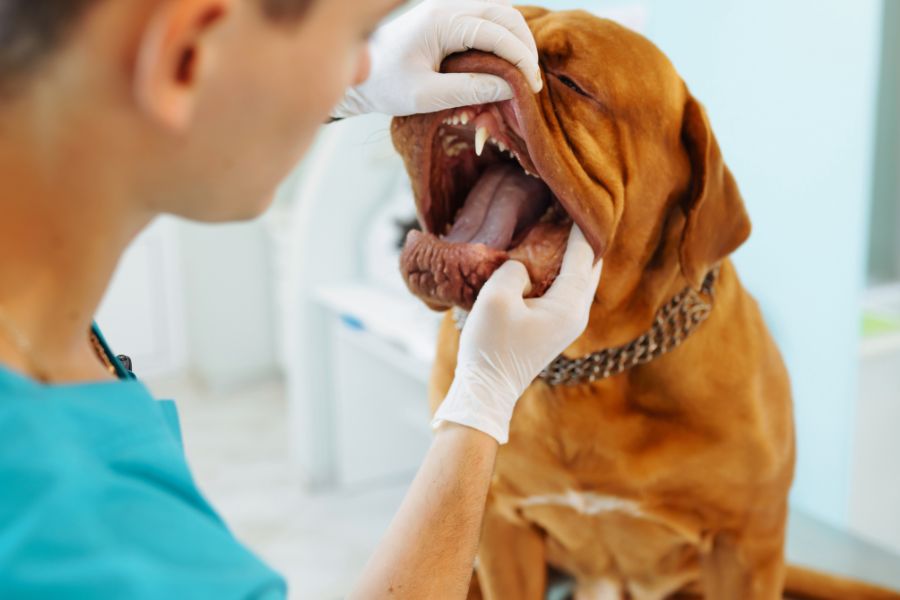
Experienced veterinary teams use specialized tools to thoroughly clean your pet’s teeth—above and below the gum line. They:
-
Remove plaque and tartar you can’t see
-
Polish teeth to slow future build-up
-
Check for signs of infection, broken, or loose teeth
-
Take dental X-rays to spot hidden problems
Without this professional care, even diligent pet parents can miss signs of dental distress.
Everyday Habits for Fresh Pet Breath
Fortunately, defending against dental trouble is easier than you might think. Here’s how you can help:
-
Brush daily: Use a pet-friendly toothbrush and toothpaste.
-
Offer dental treats: These aren’t a substitute for brushing but help reduce some buildup.
-
Choose quality diets: Kibble designed to clean teeth can make a difference.
-
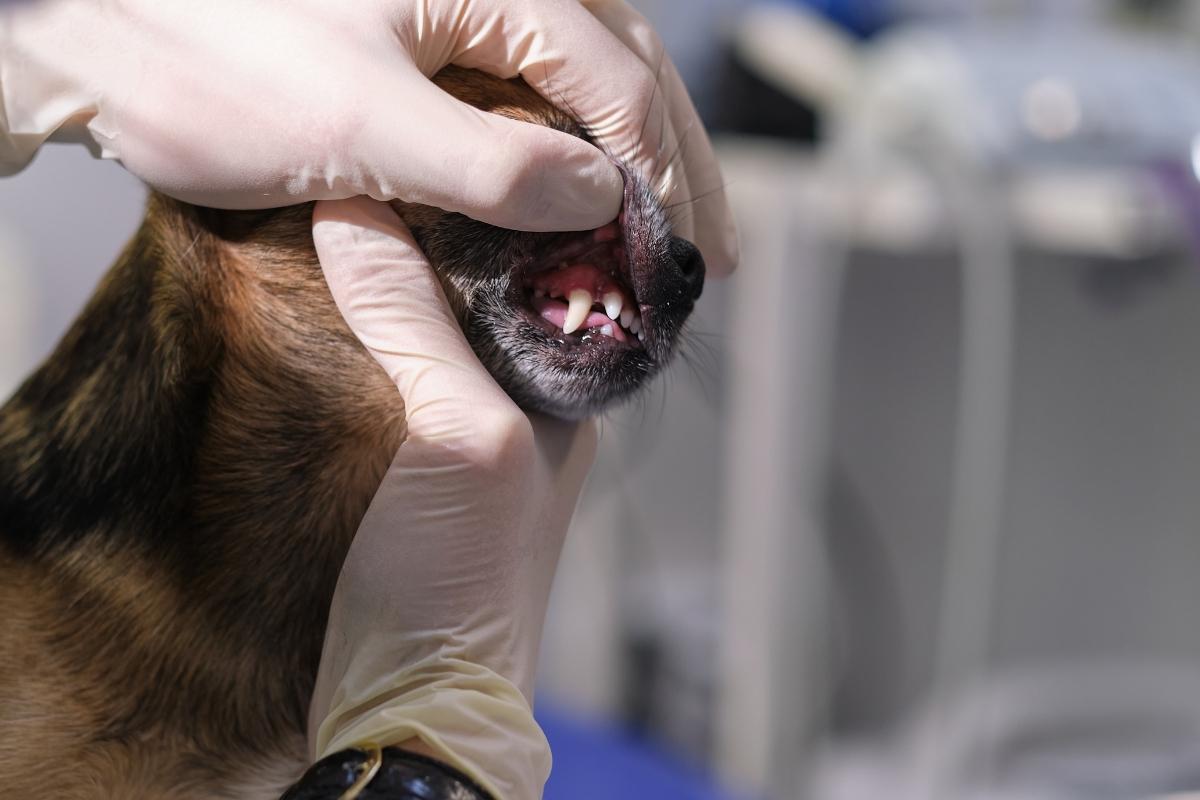
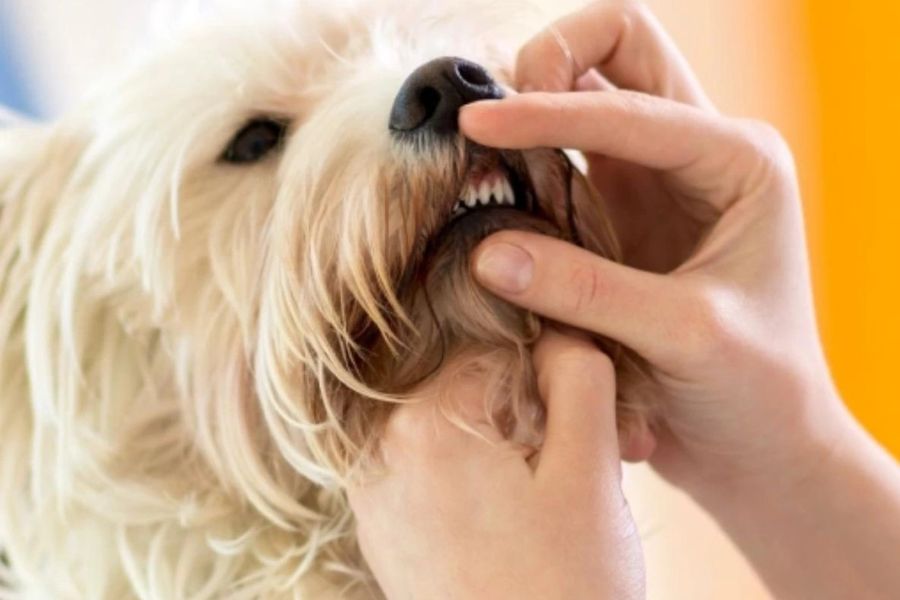
Inspect often: Smell your cat or dog’s breath and check for sore or bleeding gums.
-
Plan annual check-ups: Pet dentistry in Rock Hill offers personalized dental evaluations and professional cleanings.
With these steps, you’ll keep your furry companion’s smile sparkling year-round.
Pet Dentistry in Rock Hill Makes a Difference
Pet dentistry in Rock Hill has transformed thousands of lives—both pets and their humans! From advanced cleanings to safe anesthesia and modern pain control, your pet’s comfort always comes first. Local veterinarians are trained to spot trouble early, saving teeth (and money!) in the long run. As a pet parent, investing in oral health means:
-
A longer, more vibrant life for your pet
-
Fewer emergency visits and costly extractions
-
More of those sweet, close-up snuggles
Frequently Asked Questions
1. How can I tell if my pet has dental disease?
Ans. Look for bad breath, red or swollen gums, loose teeth, or changes in eating habits.
2. How often should my pet have a professional dental cleaning?
Ans. Most pets benefit from annual cleanings, but your vet may recommend more frequent care if dental disease is present.
3. Is anesthesia safe for my older pet during cleanings?
Ans. Yes, modern protocols ensure safety even for seniors. Your vet will assess risks and monitor your pet throughout the procedure.
4. Can dental disease affect my pet’s whole body?
Ans. Absolutely. Bacteria from a dirty mouth can enter the bloodstream, impacting the heart, liver, and kidneys.
5. What should I look for in pet dentistry in Rock Hill?
Ans. Choose Newport Veterinary Hospital with experienced veterinarians, advanced equipment, and a strong reputation for gentle, thorough care.
6. Do dental chews prevent all dental problems?
Ans. Dental chews help but aren’t a substitute for brushing and professional cleanings. Use them as part of a complete dental care routine.
Ready for Cuddles—Not Caution!
Don’t let bad breath drive a wedge between you and your four-legged friend. With the right guidance and pet dentistry, you’ll banish bad smells and ensure your companion lives a happier, healthier life. Book a dental checkup today, and celebrate the return of those sweet, kissable moments.