

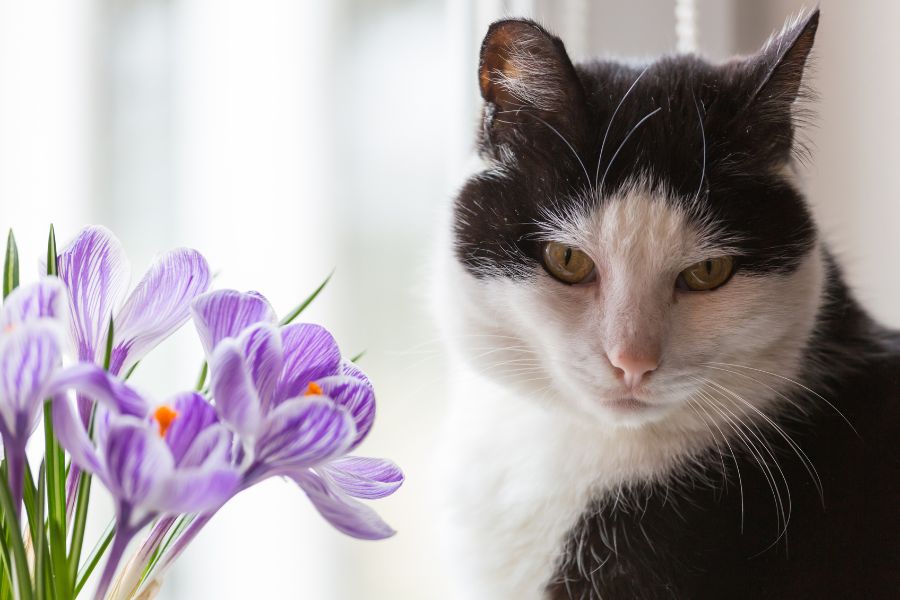
Lily poisoning in cats is a serious and potentially fatal condition that every cat owner should understand. Even small exposure to lilies can lead to kidney failure if not treated quickly. In this guide, we’ll cover the most dangerous signs of lily poisoning, what causes it, and when to seek urgent veterinary care. Knowing the early lily poisoning symptoms in cats can save your pet’s life and ensure timely treatment.
What Is Lily Poisoning in Cats?
Lily poisoning in cats occurs when a cat ingests any part of a lily plant—including petals, leaves, pollen, or even water from a vase. Certain types, like Easter lilies, tiger lilies, and daylilies, are extremely toxic to cats.
Even minimal exposure can cause severe kidney damage within 24–72 hours. That’s why recognizing the signs of lily poisoning early is critical for survival.
Why Are Lilies So Toxic to Cats?
Unlike many plants that cause mild stomach upset, lilies directly affect a cat’s kidneys. The exact toxin is still unknown, but the impact is well documented in veterinary medicine.
Cats are uniquely sensitive, meaning even brushing against pollen and grooming it off their fur can lead to poisoning. This makes lilies one of the most dangerous household plants for feline companions.
8 Dangerous Signs of Lily Poisoning in Cats
Recognizing these lily poisoning symptoms in cats can help you act fast and prevent life-threatening complications.
1. Vomiting (Often the First Sign)
Vomiting usually starts within a few hours of exposure. It’s one of the earliest and most common indicators of lily poisoning in cats.
2. Loss of Appetite
Cats may suddenly refuse food or treats. This lack of appetite often follows vomiting and signals that something is seriously wrong.
3. Lethargy and Weakness
Your cat may appear unusually tired, inactive, or uninterested in their surroundings. This is an early warning sign that toxins are affecting their system.
4. Excessive Drooling
Drooling or salivation can occur due to nausea or irritation caused by ingesting parts of the plant.
5. Increased Thirst and Urination
As kidney damage begins, cats may drink more water and urinate more frequently. This stage indicates progressing toxicity.
6. Dehydration
Despite drinking more, cats may still become dehydrated due to kidney dysfunction. You might notice dry gums or sunken eyes.
7. Decreased or No Urination
This is a critical sign of kidney failure. If your cat stops urinating, it’s a medical emergency requiring immediate diagnostic care.
8. Seizures or Collapse (Advanced Stage)
In severe cases, untreated poisoning can lead to neurological symptoms like seizures or even collapse. At this point, survival chances decrease significantly without urgent care.
When to Visit a Vet Immediately
If you suspect your cat has been exposed to lilies, even if symptoms are mild, do not wait. Lily poisoning progresses rapidly.
Seek veterinary help immediately if:
- You see your cat chewing or near lilies
- Any early symptoms, such as vomiting or lethargy appear
- There’s a sudden change in urination habits
Early lily poisoning treatment within the first 6–12 hours dramatically improves outcomes.
How Lily Poisoning Is Diagnosed
Veterinarians rely on a combination of history, symptoms, and lab tests for accurate diagnosis.
Common diagnostic steps include:
- Blood tests to evaluate kidney function
- Urine analysis to assess hydration and kidney damage
- Physical examination for dehydration and toxicity signs
Prompt diagnostic care for cats helps determine the severity and guides effective treatment.
Lily Poisoning Treatment in Cats
Treatment depends on how early the poisoning is detected. The sooner care begins, the better the chances of recovery.
Early Treatment (Within 12 Hours)
- Inducing vomiting (if ingestion was recent)
- Activated charcoal to limit toxin absorption
- IV fluid therapy to protect kidneys
Advanced Treatment (After Symptoms Progress)
- Aggressive IV fluids for 48–72 hours
- Medications to manage nausea and kidney damage
- Continuous monitoring of kidney values
In severe cases, dialysis may be required, but availability can be limited. Early intervention remains the most effective strategy.
Prevention Tips Every Cat Owner Should Follow
Preventing lily poisoning in cats is far easier than treating it.
Here are simple steps to keep your pet safe:
- Avoid keeping lilies inside your home
- Check bouquets for hidden lilies
- Inform family and friends not to gift lilies
- Keep cats away from outdoor lily plants
In areas like Rock Hill, where seasonal flowers are common, being cautious during holidays like Easter is especially important.
Why Fast Action Saves Lives
Time is the most critical factor in lily poisoning treatment in cats. Cats treated within the first few hours often recover fully, while delayed treatment can result in permanent kidney failure or death.
At Newport Veterinary Hospital in Rock Hill, our veterinarians emphasize early detection and rapid intervention to improve survival rates.
Conclusion:
Lily poisoning in cats is a life-threatening emergency that requires immediate attention. Recognizing early lily poisoning symptoms in cats, such as vomiting, lethargy, and changes in urination, can make all the difference. Avoiding lilies altogether is the safest option for cat owners. If you suspect exposure, don’t wait; seek professional help right away.
Protect your cat’s health by staying informed and acting quickly. If you notice any warning signs, schedule a wellness checkup at Newport Veterinary Hospital in Rock Hill today to ensure your cats get the care they need.
FAQs
Q1: How quickly do symptoms of lily poisoning in cats appear?
Ans: Symptoms can appear within 2–6 hours after exposure, starting with vomiting and lethargy.
Q2: Can a small amount of lily pollen harm my cat?
Ans: Yes, even a tiny amount of pollen can cause severe lily poisoning in cats and lead to kidney failure.
Q3: Is lily poisoning in cats treatable?
Ans: Yes, but only if treated early. Prompt treatment of cat lily poisoning greatly improves survival chances.
Q4: What should I do if my cat eats a lily?
Ans: Take your cat to a veterinarian immediately, even if no symptoms are visible yet.
Q5: Are all lilies toxic to cats?
Ans: Most true lilies and daylilies are highly toxic, so it’s safest to avoid all types around cats.