
A urinary tract infection can cause serious discomfort for dogs, yet many pet owners miss the early warning signs. Recognizing dog UTI symptoms early can help prevent complications like kidney infections or chronic bladder problems. In this guide, we will explore the most common but often overlooked signs of a dog urinary tract infection, why they occur, and when to seek professional veterinary care.
What Is a Dog Urinary Tract Infection?
A dog urinary tract infection occurs when bacteria enter the urinary system, usually affecting the bladder. This condition is also commonly referred to as a dog bladder infection. UTIs can affect dogs of all ages, though females and senior dogs are more prone to them.
In many cases, infections begin in the bladder but may spread to the kidneys if left untreated. Early dog diagnostic care helps identify the infection quickly and prevents long-term complications.
Common causes include:
- Bacterial contamination
- Poor hygiene
- Weakened immune system
- Bladder stones
- Diabetes or other underlying diseases
Because symptoms can be subtle, many owners overlook the early signs of their dog’s UTI.
Why Dog UTI Symptoms Are Often Hard to Detect
Unlike humans, dogs cannot verbally communicate discomfort. Instead, they display behavioral or physical changes that may seem minor at first.
Many early dog UTI symptoms resemble normal behavior, such as increased thirst or occasional accidents. Because of this, infections often progress before owners realize something is wrong.
This is why observing your dog’s daily habits is extremely important for early detection.
1. Frequent Urination
One of the most common signs of your dog’s UTI is urinating more often than usual.
You may notice your dog:
- Asking to go outside frequently
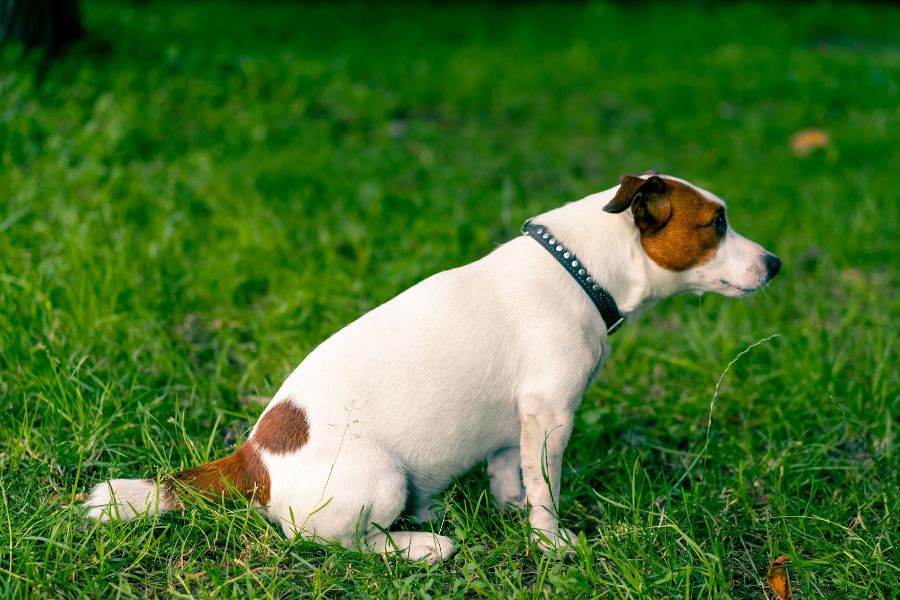
- Squatting multiple times during walks
- Producing only small amounts of urine
Frequent urination occurs because the bladder becomes irritated and inflamed.
2. Straining While Urinating
Dogs with a dog bladder infection may struggle to pass urine.
Signs of straining include:
- Staying in a squatting position longer
- Whining during urination
- Producing very little urine despite effort
This happens because inflammation narrows the urinary tract and causes discomfort.
3. Blood in the Urine
Blood in urine is one of the more alarming dog UTI symptoms, but it may appear only in small amounts.
You might notice:
- Pink or reddish urine
- Small spots of blood on the floor
- Dark or cloudy urine
Blood appears when an infection irritates the bladder lining.
4. Strong or Unusual Urine Odor
A sudden strong smell from your dog’s urine can signal a dog urinary tract infection.
Healthy urine typically has a mild odor. When bacteria multiply in the bladder, they produce compounds that cause a strong or foul smell.
If your dog’s urine odor suddenly changes, it is worth discussing with your veterinarian.
5. Accidents Inside the House
House-trained dogs rarely urinate indoors unless something is wrong.
If your dog begins having accidents despite proper training, it may indicate dog UTI symptoms.
Dogs often cannot hold their urine because:
- The bladder becomes inflamed
- Urination urgency increases
- Pain makes it difficult to control
6. Excessive Licking of the Genital Area
Dogs often lick irritated areas to relieve discomfort.
Frequent licking around the genital area may indicate a dog bladder infection. While occasional grooming is normal, persistent licking may suggest irritation caused by infection.
Watch for:
- Redness around the area
- Constant licking throughout the day
- Signs of discomfort when touched
7. Increased Thirst
Another subtle sign of your dog’s UTI is drinking more water than usual.
Dogs may increase their water intake to flush bacteria from the urinary system. Increased thirst leads to more frequent urination, which owners sometimes mistake for normal behavior.
If increased thirst occurs along with other dog UTI symptoms, it should be evaluated by a veterinarian.
8. Low Energy or Lethargy
Dogs with infections may appear tired or less interested in activity.
A dog urinary tract infection can cause:
- Fatigue
- Reduced interest in walks
- Less playfulness
These changes occur because the body is fighting infection.
While mild lethargy can have many causes, it becomes concerning when paired with other signs of dog’s UTI.
9. Fever or Discomfort
In more advanced cases, dogs may develop fever or visible discomfort.
Signs may include:
- Warm ears or nose
- Loss of appetite
- Restlessness
- Sensitivity around the abdomen
These symptoms suggest the infection may be progressing and requires immediate dog diagnostic care.
How Veterinarians Diagnose a Dog UTI
Proper diagnosis is essential because other conditions can mimic dog UTI symptoms.
Veterinarians typically use several diagnostic methods:
Urinalysis
This test examines urine for bacteria, blood, and abnormal cells.
Urine Culture
A culture identifies the exact bacteria causing the infection.
Blood Tests
These help evaluate overall health and detect underlying diseases.
Imaging Tests
X-rays or ultrasound may be used to check for bladder stones or tumors.
Treatment for Dog Urinary Tract Infections
Most dog urinary tract infections are treatable with medication and supportive care.
Common treatments include:
- Antibiotics to eliminate bacteria
- Anti-inflammatory medications
- Increased water intake
- Special diets if bladder stones are present
Veterinarians may also recommend follow-up testing to confirm the infection has cleared.
Completing the full course of medication is important to prevent recurrence.
When to See a Veterinarian
You should contact your veterinarian if you notice any persistent dog UTI symptoms, especially:
- Blood in urine
- Difficulty urinating
- Frequent accidents
- Strong urine odor
- Lethargy or fever
Early diagnosis prevents the infection from spreading to the kidneys or causing chronic bladder problems.
Prompt dog diagnostic care helps ensure your dog recovers quickly and comfortably.
Conclusion
Recognizing early dog UTI symptoms can make a significant difference in your pet’s health. Signs such as frequent urination, accidents in the house, unusual urine odor, or excessive licking may indicate a dog urinary tract infection. Acting quickly allows veterinarians to diagnose and treat the infection before complications develop. If your dog shows any of these warning signs, scheduling a veterinary exam is the safest step to protect their urinary health. For professional guidance and compassionate care, pet owners can consult Newport Veterinary Hospital in Rock Hill.
FAQs
Q1: What are the most common dog UTI symptoms?
Ans: Common dog UTI symptoms include frequent urination, straining to urinate, blood in urine, a strong odor, and accidents in the house.
Q2: How do dogs get urinary tract infections?
Ans: Dogs typically develop a urinary tract infection when bacteria enter the urethra and multiply in the bladder.
Q3: Can a dog’s UTI go away on its own?
Ans: Most dog bladder infections require veterinary treatment. Without antibiotics, the infection may worsen or spread to the kidneys.
Q4: How long does it take for a dog’s UTI to heal?
Ans: With proper treatment, most infections improve within 7 to 14 days, though your veterinarian may recommend follow-up testing.
Q5: When should I take my dog to the vet for UTI symptoms?
Ans: You should seek veterinary care if you notice persistent signs of a dog UTI, especially blood in urine, straining, or unusual urination patterns.