
Dogs love to run, jump, play, and stay active, but all that movement can sometimes lead to injuries. One of the most common orthopedic problems veterinarians diagnose in dogs is a cruciate ligament tear. Similar to an ACL injury in humans, a cruciate ligament injury in dogs affects the stability of the knee joint and can significantly impact mobility and quality of life.
At Newport Veterinary Hospital in Rock Hill, we understand how concerning it can be to see your dog limping or struggling to walk. Knowing the symptoms of a cruciate ligament tear and seeking prompt veterinary care can help your pet recover more comfortably and avoid long-term complications.
What Is a Cruciate Ligament Tear in Dogs?
The cruciate ligaments are bands of tissue located inside the knee joint that help stabilize the leg during movement. Dogs have two cruciate ligaments in each knee, but the cranial cruciate ligament (CCL) is the one most commonly injured.
When this ligament becomes stretched, partially torn, or completely ruptured, the knee becomes unstable. This instability can cause pain, inflammation, and difficulty walking. Over time, untreated cruciate ligament injuries may also lead to arthritis and additional joint damage.
What Causes Cruciate Ligament Injuries?
Cruciate ligament tears can happen suddenly or develop gradually over time. While active dogs may experience injuries during running or jumping, many tears actually occur because the ligament slowly weakens with age and repetitive stress.
Some common causes and contributing factors include:
Aging and Degeneration
As dogs age, the ligament can weaken naturally, making it more prone to tearing.
Obesity
Extra body weight places additional strain on the joints and ligaments, increasing the risk of injury.
Breed Predisposition
Certain breeds are more likely to develop cruciate ligament problems, including:
- Labrador Retrievers
- Golden Retrievers
- Rottweilers
- Boxers
- Newfoundlands
- German Shepherds
Sudden Twisting Motions
Quick turns, awkward landings, or slipping on slick surfaces can sometimes cause an acute tear.
Poor Physical Conditioning
Dogs with weak muscle tone may have less joint support, making injuries more likely.
Common Symptoms of a Cruciate Ligament Tear
Recognizing the signs early can help your dog receive treatment before the condition worsens. Symptoms may appear suddenly or gradually depending on the severity of the injury.
Limping or Lameness
One of the earliest and most noticeable signs is limping on a rear leg. Some dogs may briefly hold the leg up while walking.
Difficulty Standing Up
Dogs with knee pain often struggle to rise from lying or sitting positions.
Stiffness After Exercise
Your dog may seem sore or stiff after walks, running, or playtime.
Reluctance to Jump or Climb Stairs
Pain and instability can make activities like jumping into the car or climbing stairs uncomfortable.
Swelling Around the Knee
Inflammation around the knee joint may be visible or felt during examination.
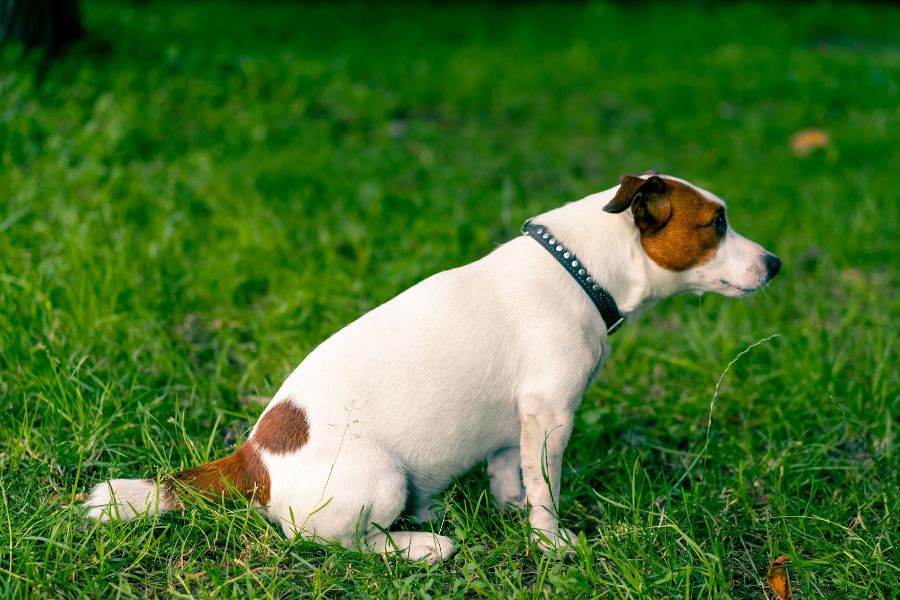
Sitting Abnormally
Some dogs sit with the injured leg extended outward instead of tucked normally underneath them.
Decreased Activity
Dogs with chronic cruciate injuries may become less playful and more reluctant to exercise.
If your dog is showing any of these symptoms, it is important to schedule a veterinary evaluation promptly.
How Veterinarians Diagnose Cruciate Ligament Tears
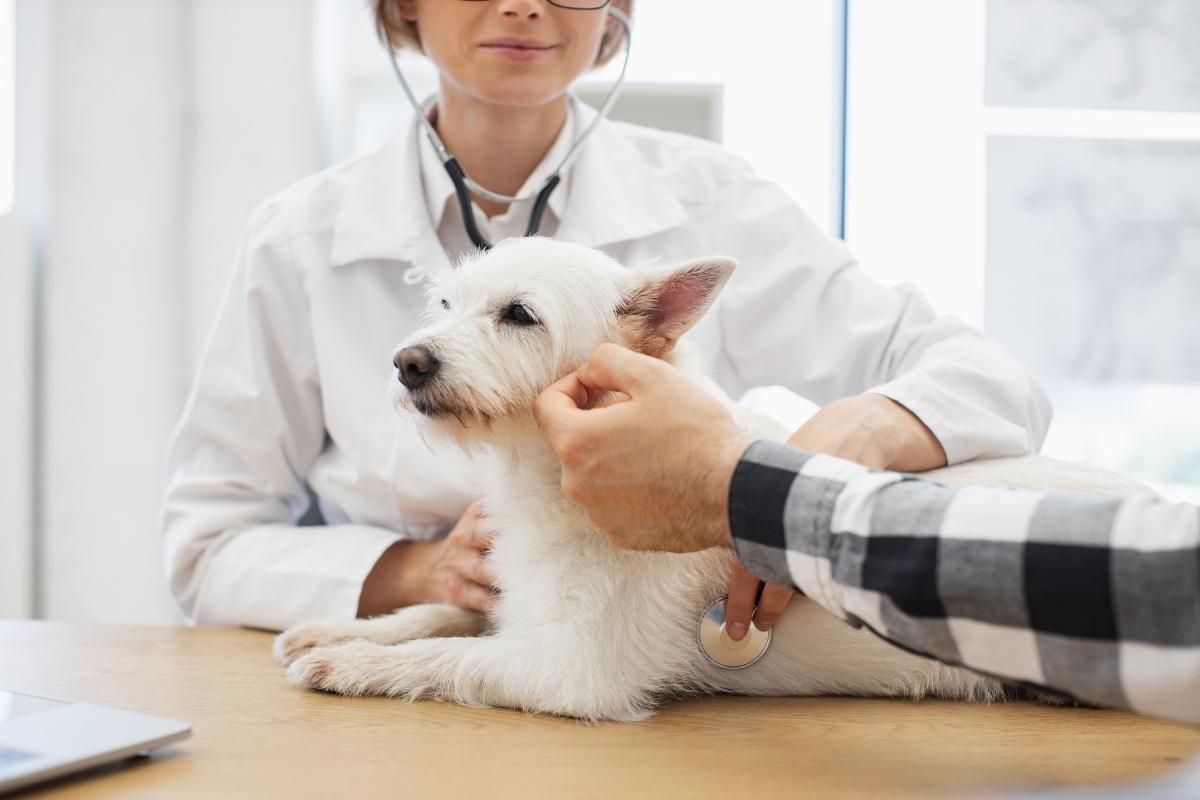
At Newport Veterinary Hospital, diagnosing a cruciate ligament injury typically begins with a thorough physical examination. Your veterinarian will evaluate the knee joint for instability, pain, swelling, and reduced range of motion.
Diagnostic imaging may also be recommended, including:
X-Rays
Although ligaments themselves do not appear on X-rays, imaging helps identify joint swelling, arthritis, and other orthopedic conditions.
Orthopedic Examination
Special tests can help determine whether the knee joint is unstable due to a torn ligament.
Sedation or Advanced Imaging
In some cases, mild sedation or additional imaging may be necessary for an accurate diagnosis.
Early diagnosis allows for more effective treatment planning and improved long-term outcomes.
Treatment Options for Cruciate Ligament Tears
Treatment recommendations depend on your dog’s size, activity level, overall health, and the severity of the injury.
Conservative Management
For smaller dogs or mild injuries, non-surgical management may sometimes help improve comfort and mobility. Conservative treatment may include:
- Anti-inflammatory medications
- Pain management
- Weight control
- Physical rehabilitation
- Restricted activity
- Joint supplements
While conservative care can help some dogs, it may not fully stabilize the knee in larger or highly active pets.
Surgical Treatment
Surgery is often the most effective option for restoring knee stability and improving long-term mobility, especially in medium and large dogs.
There are several surgical techniques available, including:
TPLO Surgery
Tibial Plateau Leveling Osteotomy (TPLO) changes the mechanics of the knee to improve stability.
Lateral Suture Technique
This procedure uses strong suture material to stabilize the joint externally.
TTA Surgery
Tibial Tuberosity Advancement (TTA) is another surgical option designed to stabilize the knee joint.
Your veterinarian will recommend the best treatment approach based on your dog’s individual needs.
Recovery After a Cruciate Ligament Injury
Recovery time varies depending on the severity of the injury and the treatment method used. Most dogs require several weeks to months of restricted activity and rehabilitation.
Activity Restriction
Running, jumping, and rough play should be limited during healing.
Physical Rehabilitation
Rehabilitation exercises and therapy can help rebuild strength and improve mobility.
Weight Management
Maintaining a healthy weight reduces strain on healing joints.
Follow-Up Visits
Regular veterinary checkups help monitor healing progress and address any concerns.
Many dogs recover very well following treatment and return to happy, active lives with proper care and rehabilitation.
Can Cruciate Ligament Tears Be Prevented?
Not all cruciate ligament injuries can be prevented, but there are steps pet owners can take to reduce the risk.
Keep Your Dog at a Healthy Weight
Excess weight increases stress on the joints and ligaments.
Provide Regular Exercise
Consistent, moderate exercise helps maintain muscle strength and joint support.
Avoid Slippery Surfaces
Rugs and traction mats can help reduce slips inside the home.
Use Joint Supplements if Recommended
Some dogs may benefit from supplements that support joint health.
Schedule Routine Veterinary Exams
Regular wellness visits can help identify orthopedic issues early.
Why Early Veterinary Care Matters
Ignoring a cruciate ligament injury can lead to worsening pain, chronic instability, and arthritis. Dogs may also place extra weight on their opposite leg, increasing the risk of injuring the second knee.
Prompt treatment can help:
- Reduce pain and inflammation
- Improve mobility
- Prevent further joint damage
- Support a smoother recovery
- Enhance your dog’s quality of life
If your dog is limping, avoiding activity, or showing signs of knee discomfort, do not wait for the symptoms to worsen.
Compassionate Orthopedic Care at Newport Veterinary Hospital
At Newport Veterinary Hospital, we are committed to helping pets in Rock Hill stay active, comfortable, and healthy. Our veterinary team provides thorough orthopedic evaluations, diagnostic testing, and personalized treatment plans for dogs with cruciate ligament injuries and other mobility concerns.
Whether your dog needs conservative management, surgical guidance, or post-injury support, we are here to help every step of the way.
If you suspect your dog may have a cruciate ligament tear, book an appointment with Newport Veterinary Hospital today to discuss your pet’s symptoms and treatment options.
Frequently Asked Questions
1. What are the first signs of a cruciate ligament tear in dogs?
The earliest signs often include limping, stiffness, difficulty standing, or reluctance to run and jump.
2. Can a dog walk with a torn cruciate ligament?
Yes, some dogs can still walk, especially with partial tears, but they may limp or avoid putting full weight on the leg.
3. Does every dog with a cruciate ligament tear need surgery?
Not always. Smaller dogs or mild injuries may improve with conservative treatment, but surgery is commonly recommended for larger or active dogs.
4. How long does recovery take after cruciate ligament surgery?
Most dogs require several weeks to months for full recovery, depending on the procedure and rehabilitation plan.
5. Are certain dog breeds more prone to cruciate ligament injuries?
Yes. Labrador Retrievers, Golden Retrievers, Rottweilers, and several other large breeds are more commonly affected.
6. Can cruciate ligament injuries happen in both knees?
Yes. Many dogs that injure one knee may eventually develop a similar injury in the opposite leg due to added strain and underlying ligament degeneration.