

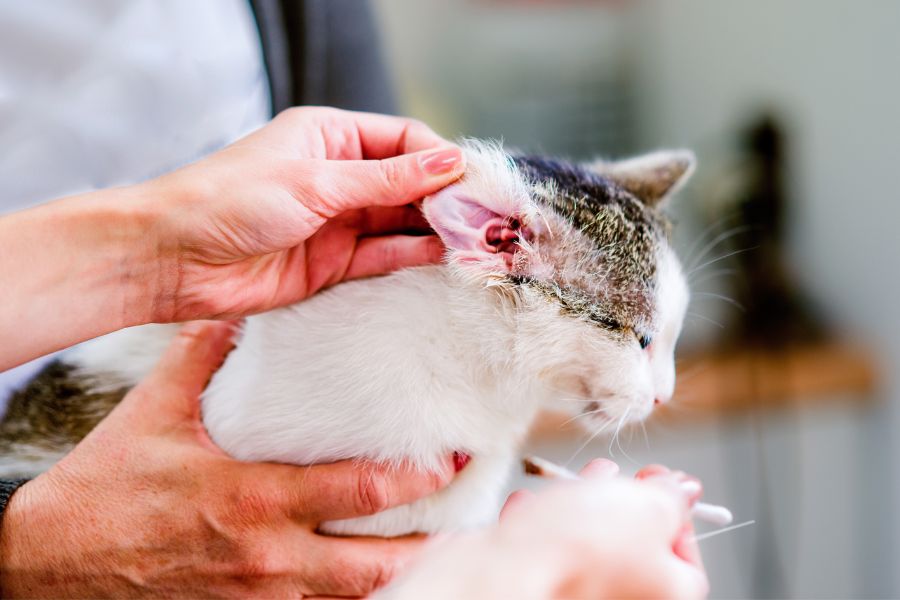
Ear infections are one of the most common health issues seen in dogs and cats, and they can develop quickly without warning. If your pet is shaking their head, scratching at their ears, or showing unusual discomfort, it may be more than a minor irritation. This guide explains everything you need to know about ear infections in pets, including the top causes, early symptoms to look for, professional treatment options, and the best prevention strategies. By understanding the signs and acting early, you can protect your pet’s comfort, health, and long-term ear function.
What Causes Ear Infections in Pets?
Knowing why ear infections occur helps you prevent them from developing or returning. Pets often have more sensitive ear canals than humans, making them prone to inflammation, moisture buildup, and trapped debris.
Common Reasons Pets Get Ear Infections
While any pet can develop an infection, several common triggers lead to irritation and inflammation inside the ear canal:
- Allergies: Food allergies and environmental allergens such as pollen, dust mites, and mold frequently cause ear inflammation. Allergic reactions create the perfect environment for bacteria and yeast to multiply.
- Excess Moisture: Dogs who swim often or get frequent baths are more likely to develop infections. Moisture trapped in the ear canal creates a warm, humid space where yeast flourishes.
- Parasites: Ear mites are especially common in kittens and puppies, causing intense itching and dark discharge. These mites spread quickly if not treated.
- Bacterial or Yeast Overgrowth: Normal microorganisms live in the ears, but overgrowth can occur when the ear environment changes.
- Foreign Objects: Grass seeds, dirt, or tiny outdoor particles can get stuck in the ear canal, causing irritation and infection.
- Ear Anatomy: Certain breeds like Basset Hounds, Cocker Spaniels, and Poodles have narrow, long, or hairy ear canals—making them more prone to infections.
Pets Most at Risk
Some pets are naturally more susceptible due to lifestyle or genetics. Risk factors include:
- Pets with seasonal or chronic allergies
- Breeds with floppy or heavy ear flaps
- Pets who swim or bathe frequently
- Dogs with excessive ear hair
- Pets with skin conditions or weakened immune systems
Understanding these risk factors helps owners stay proactive with prevention and early detection.
Recognizing Ear Infection Symptoms in Pets
Spotting ear infection symptoms early can prevent the infection from spreading deeper into the middle or inner ear. Pets rarely show pain unless the condition is severe, so subtle behavior changes matter.
The Most Common Signs of Ear Infections
Your pet may show one or more of the following symptoms:
- Head shaking: A frequent attempt to relieve discomfort.
- Scratching or pawing at the ears: A strong sign of irritation.
- Redness or inflammation: A noticeable change in the inner ear skin.
- Foul smell: Infection-causing microorganisms often produce a noticeable odor.
- Discharge: Can be brown, yellow, black, or waxy.
- Whining or pulling away: Indicates pain when the ear is touched.
- Head tilting: Suggests imbalance or inner ear involvement.
Severe or Emergency Symptoms
Not all infections stop at the outer ear. Some spread into the deeper canals, leading to serious health concerns.
Seek veterinary care immediately if you notice:
- Loss of balance or coordination
- Sudden hearing loss
- Vomiting combined with ear symptoms
- Severe swelling or bleeding
- Inability to open the mouth fully
Left untreated, infections can lead to chronic pain, ruptured eardrums, or neurological issues.
Safe and Effective Pet Ear Infection Treatments
Professional pet ear infection treatment is essential for accurate diagnosis and fast relief. Using the wrong products or home remedies can make the situation worse, especially if the eardrum is affected.
What Happens During a Veterinary Exam?
Your veterinarian will perform a series of diagnostic steps to determine the cause:
- Otoscope Examination: A visual inspection that checks for inflammation, debris, or foreign objects.
- Cytology Testing: A sample of ear debris is examined under a microscope to identify bacteria, yeast, or mites.
- Culture Testing: Helps select the right antibiotic when infections are stubborn or recurrent.
- Advanced Pet Diagnostic Care: Many Veterinary hospitals in Rock Hill offer allergy testing, imaging, or deeper diagnostic tools to uncover underlying conditions that contribute to chronic infections.
Accurate diagnosis ensures that treatment targets the correct cause instead of just relieving symptoms.
Vet-Recommended Treatment Options
Treatment varies based on the type and severity of the infection:
- Medicated Ear Drops: These may include antibiotics, antifungals, or steroids to reduce inflammation.
- Ear Cleaning Solutions: Proper cleaning removes wax, discharge, and microorganisms from the canal.
- Oral Medications: Used in moderate to severe infections, especially if deeper ear structures are involved.
- Parasite Control: Prescribed treatments eliminate ear mites and prevent reinfestation.
- Allergy Management: For pets with allergy-triggered infections, long-term control is critical.
- Treatment for Foreign Bodies: Your vet may need to safely remove stuck debris or plant material.
Home Care After Veterinary Treatment
Caring for your pet properly at home helps ensure the infection heals fully:
- Follow your vet’s cleaning instructions exactly.
- Keep ears dry during treatment.
- Give all medications for the full duration—even if symptoms improve early.
- Return for follow-up visits to confirm healing.
- Monitor for itching or shaking, as these may suggest recurrence.
How to Prevent Ear Infections in Pets
Proper prevention reduces the risk of recurring infections, especially for pets prone to moisture buildup or allergies. Consistent ear infection prevention in pets begins with routine care and healthy hygiene habits.
Smart Ear Hygiene Tips
A regular cleaning routine makes a big difference:
- Clean your pet’s ears weekly or as advised by your vet.
- Use only vet-recommended cleaning solutions.
- Avoid inserting cotton swabs deep into the ear canal.
- Thoroughly dry your pet’s ears after swimming or baths.
- Trim excess hair around and inside the ear canal if your breed is prone to buildup.
Additional Prevention Strategies
Beyond cleaning, consider lifestyle and health management:
- Manage seasonal and food allergies proactively.
- Feed a high-quality diet to support immune and skin health.
- Check your pet’s ears after outdoor play or hikes.
- Keep your pet groomed regularly.
- Schedule routine wellness exams to catch early signs of ear trouble.
Ear infections can be painful and frustrating for both pets and owners, but with the right knowledge, early action, and consistent prevention, you can help your pet stay comfortable and healthy. Understanding the causes, recognizing symptoms early, and seeking veterinary guidance when needed will go a long way in protecting your pet’s ear health.
If you are conveniently located in Rock Hill, SC, and searching for the best pet diagnostic care near me, Newport Veterinary Hospital is the right choice for compassionate, advanced, and reliable pet care.
FAQs
Q1: What are the earliest signs of ear infections in pets?
Ans: Early signs include head shaking, scratching, redness, and mild odor. These symptoms may seem subtle at first, but catching them early prevents deeper infections and long-term damage.
Q2: How do vets diagnose ear infections in dogs and cats?
Ans: Vets perform otoscope exams, cytology tests, and sometimes cultures to identify yeast, bacteria, or mites. This ensures your pet gets the right treatment and avoids unnecessary medications.
Q3: Can I treat my pet’s ear infection at home?
Ans: Home treatments are not recommended because certain solutions can worsen infections or damage the eardrum. Always follow a veterinarian’s prescribed medication and cleaning routine.
Q4: How often should I clean my pet’s ears to prevent infection?
Ans: Weekly cleaning is ideal for most pets, but pets who swim often or have allergies may need more frequent care. Ask your veterinarian for a personalized cleaning plan.
Q5: Are ear infections in pets related to allergies?
Ans: Yes, many chronic ear infections are triggered by underlying allergies. Managing food or environmental allergies significantly reduces the frequency and severity of flare-ups.