Pets cannot tell us when they feel sick or experience pain. Instead, they communicate through changes in their behavior, appetite, energy levels, and physical condition. While some symptoms may resolve on their own, others require prompt veterinary evaluation to prevent discomfort from worsening. Recognizing these warning signs can help pet owners make informed decisions about their companion’s health.
Understanding when to seek urgent pet care is especially important because certain illnesses and injuries can progress quickly. Whether your dog suddenly starts vomiting, your cat has difficulty urinating, or your pet develops unusual breathing patterns, knowing what to look for can make a meaningful difference. Being familiar with the signs that require immediate attention also helps you respond calmly and seek appropriate veterinary support.
Common Signs Your Pet Needs Urgent Veterinary Care
Changes in your pet’s normal routine may indicate an underlying health concern. Although not every unusual symptom requires immediate treatment, certain warning signs should never be ignored.
Here are some situations that may require prompt veterinary attention:
1. Difficulty Breathing
Breathing problems are among the most concerning signs in pets. Rapid breathing, persistent coughing, wheezing, noisy respiration, or noticeable effort when breathing may indicate an underlying respiratory or cardiovascular problem.
If your pet struggles to breathe, avoid unnecessary movement and contact a veterinarian immediately for guidance.
2. Persistent Vomiting or Diarrhea
Occasional digestive upset may happen after dietary changes or eating something unusual. However, repeated vomiting or diarrhea can lead to dehydration and may indicate gastrointestinal infections, intestinal obstructions, or other health concerns.
Pay attention to additional symptoms such as blood in the stool, weakness, loss of appetite, and abdominal discomfort. These signs may indicate that your pet needs urgent pet care rather than continued observation at home.
3. Difficulty Urinating or Passing Stool
Straining during urination or bowel movements can indicate urinary tract problems, intestinal issues, or other underlying conditions.
Cats, particularly male cats, can develop urinary blockages that require immediate veterinary attention. Watch for repeated litter box visits, crying while attempting to urinate, or producing little to no urine.
Do not assume your pet is experiencing ordinary constipation when these symptoms appear.
4. Sudden Changes in Behavior or Energy
Pets often hide discomfort, making behavioral changes important indicators of their health. A normally active dog that suddenly becomes withdrawn or a playful cat that begins hiding may be experiencing pain or illness.
Other concerning changes include excessive sleeping, unusual aggression, restlessness, trembling, persistent whining, and reduced interest in food or water.
If these behaviors develop suddenly or occur alongside physical symptoms, consult a veterinarian promptly.
5. Visible Injuries or Signs of Severe Pain
Cuts, swelling, limping, bleeding, and difficulty standing may indicate injuries that require veterinary evaluation. Even when an injury appears minor, damage beneath the skin may not be immediately visible.
Watch for signs such as:
- Refusing to put weight on a leg.
- Crying or reacting when touched.
- Excessive licking of a particular body area.
- Swelling around a joint or injured area.
- Unusual posture or difficulty moving.
Avoid manipulating the injured area or giving medication without veterinary instructions.
When Should You Seek Urgent Pet Care?
Knowing which symptoms require immediate attention can help prevent delays in treatment. Some conditions may initially appear mild but become more concerning as additional symptoms develop.
Contact a veterinarian promptly if your pet experiences:
- Sudden collapse or loss of consciousness.
- Difficulty breathing or unusual respiratory effort.
- Suspected ingestion of toxic substances.
- Blood in the urine, stool, or vomit.
- A swollen or unusually warm abdomen.
- Persistent vomiting or diarrhea.
- Inability to urinate or pass stool.
- Severe or unexplained pain.
If your pet displays these symptoms, do not wait for the condition to improve without professional guidance. An experienced veterinarian can evaluate the situation and recommend the appropriate next steps.
What to Do Before Taking Your Pet to an Animal Hospital Near You
When your pet suddenly becomes sick or injured, taking the right steps can help keep them comfortable while you arrange veterinary attention.
Consider the following precautions:
Keep Your Pet Calm: Find a quiet, comfortable place where your pet can rest. Avoid unnecessary handling, especially if your companion appears painful or frightened.
Observe the Symptoms: Pay attention to when the problem started, how frequently symptoms occur, and whether your pet’s condition is changing. These details can help the veterinarian understand the situation.
Avoid Giving Human Medication: Medicines intended for people can be harmful to dogs and cats. Never administer pain relievers or other medications unless a veterinarian specifically recommends them.
Prepare Relevant Information: Make a note of your pet’s recent meals, medications, possible exposure to harmful substances, and any unusual behavior.
Call Before Arriving: Contact the veterinary team before bringing your pet in. Calling ahead allows the staff to understand your concerns and prepare for your arrival.
Having an animal hospital near you that offers urgent veterinary services can make it easier to access professional guidance when unexpected health concerns arise.
How a Veterinarian Evaluates Your Pet During an Urgent Visit
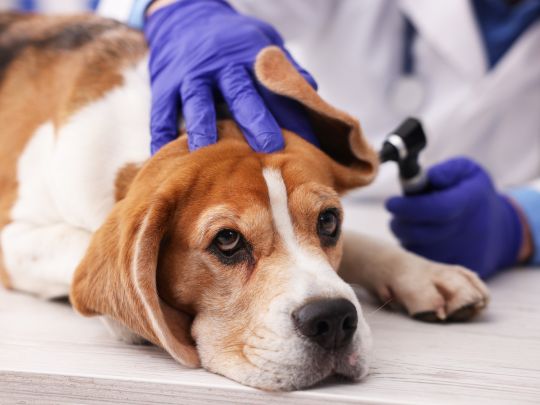
When you bring your pet for urgent pet care, the veterinary team begins by reviewing the symptoms and assessing your companion’s overall condition.
The veterinarian may ask questions about your pet’s medical history, eating habits, recent activities, and the timing of the symptoms. A physical examination helps identify visible injuries, swelling, tenderness, or other abnormalities.
Depending on the findings, additional diagnostic procedures may be recommended. These can include:
- Blood Testing: Helps evaluate organ function, blood cell levels, and possible signs of infection or other health concerns.
- Digital X-rays: Help examine bones, joints, and certain internal structures.
- Ultrasound: Allows the veterinarian to assess internal organs and investigate possible abdominal concerns.
- Urinalysis: Helps identify urinary tract problems and evaluate kidney health.
These evaluations help the veterinary team understand the possible cause of your pet’s symptoms and determine an appropriate treatment plan.
Finding a Veterinarian Near You for Prompt Pet Care in Rock Hill
When your pet experiences a sudden illness or injury, having access to a reliable veterinary team is important. Pet owners should know where to find professional support and understand how to contact a clinic when unexpected health concerns arise.
Newport Veterinary Hospital provides urgent care for pets during regular business hours and welcomes patients from Rock Hill and nearby communities, including York, Clover, Lake Wylie, and Fort Mill. The team encourages pet owners to call ahead so they can assess the situation and provide guidance about the next steps.
If your pet develops concerning symptoms, contact our animal hospital to discuss your pet’s condition and available care options. Call us at 803-366-2123 for assistance.
Recognizing unusual symptoms, responding promptly, and consulting a veterinarian near you can help protect your pet’s health and comfort. With timely attention and appropriate veterinary care, you can give your companion the support they need when unexpected health concerns arise.
Frequently Asked Questions
1. What are the most common signs that my pet needs urgent veterinary attention?
Ans: Common warning signs include difficulty breathing, persistent vomiting or diarrhea, severe pain, sudden weakness, difficulty urinating, blood in urine or stool, and unusual abdominal swelling. These symptoms should be evaluated by a veterinarian promptly.
2. Should I wait to see if my pet’s symptoms improve?
Ans: It depends on the symptoms. Mild, temporary changes may sometimes be monitored under veterinary guidance. However, severe, persistent, or worsening symptoms require prompt professional evaluation. Contact your veterinarian if you are unsure.
3. Can changes in my pet’s behavior indicate an underlying health problem?
Ans: Yes. Hiding, excessive sleeping, unusual aggression, restlessness, reduced appetite, and withdrawal may indicate pain or illness. Sudden behavioral changes are particularly important to discuss with a veterinarian.
4. What information should I provide during an urgent veterinary visit?
Ans: Share when the symptoms started, how frequently they occur, your pet’s eating and drinking habits, current medications, and any possible exposure to harmful substances. Providing these details helps the veterinarian evaluate your pet more effectively.
5. Should I call an animal hospital before bringing my pet in?
Ans: Yes. Calling ahead allows the veterinary team to understand your concerns, determine whether your pet needs prompt evaluation, and prepare for the visit. It can also help you understand the appropriate next steps.