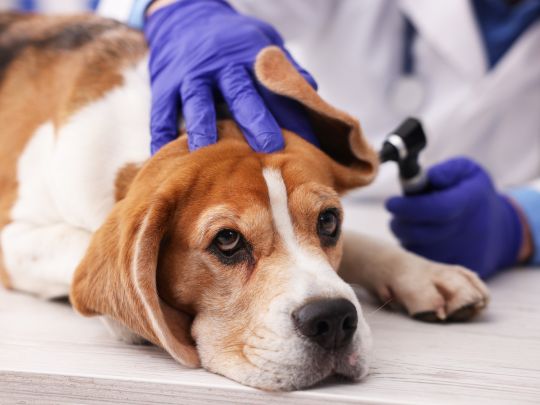


When your pet suddenly becomes sick or injured, knowing what to do next can feel overwhelming. A minor cut, sudden vomiting, painful limp, or unusual behavior may leave you wondering whether you should manage the situation at home or seek veterinary attention. Understanding the difference between basic pet first aid and professional urgent care can help you make a confident decision when your companion needs help.
Pet first aid is intended to provide temporary support while you assess your pet and arrange appropriate care. Urgent veterinary care, however, involves professional evaluation and treatment when an illness or injury requires prompt attention. Recognizing the difference can help prevent delays in treatment and reduce unnecessary stress.
If you are searching for urgent vet care in Rock Hill, understanding these distinctions can help you respond appropriately when your pet’s health suddenly changes.
What Is Pet First Aid?
Pet first aid refers to simple, immediate measures that can help stabilize or protect your pet before professional veterinary care is available. It is not a substitute for veterinary diagnosis or treatment.
First aid may be appropriate for situations such as a small superficial wound, a minor paw irritation, or temporary discomfort while you contact your veterinarian for guidance. The goal is to keep your pet calm, prevent additional injury, and monitor changes.
Basic First-Aid Steps for Pet Owners
When your pet is injured or suddenly unwell, start by staying calm. Pets can become frightened when their owners are anxious, and stressed animals may react unpredictably.
Helpful first-aid principles include:
- Move your pet away from immediate hazards.
- Keep your pet as calm and still as possible.
- Prevent licking or chewing of an injured area when practical.
- Keep your pet comfortably warm unless overheating is a concern.
- Monitor breathing, alertness, movement, appetite, and other changes.
- Contact a veterinarian if you are uncertain about what you are seeing.
Never give your pet human medications unless a veterinarian specifically instructs you to do so. Some medications that are safe for people can be dangerous for dogs and cats.
First aid should also never involve forcing food, water, medications, or other substances into a pet that is struggling to swallow or is not fully alert.
When Does First Aid Become Urgent Veterinary Care?
The biggest difference between first aid and urgent veterinary care is the need for professional assessment.
A pet may need prompt veterinary attention when symptoms are persistent, worsening, painful, or associated with significant changes in normal behavior. Certain symptoms can also indicate problems that cannot be safely evaluated at home.
Examples include:
- Difficulty breathing or noticeably labored breathing
- Severe or persistent pain
- Loss of consciousness or responsiveness
- Inability to urinate or pass stool
- Blood in urine or stool
- A swollen or unusually warm abdomen
- Significant weakness or difficulty walking
- Persistent vomiting or diarrhea
- Suspected ingestion of a toxic substance
- Sudden changes in behavior accompanied by other physical symptoms
Newport Veterinary Hospital specifically recommends contacting the veterinary team when pet owners are unsure whether a condition requires urgent attention. The hospital provides urgent care during regular business hours and encourages calling ahead so the team can prepare for the pet’s arrival.
Common Situations That May Require Urgent Pet Care
Some illnesses and injuries can appear suddenly. Knowing the warning signs can help you decide when professional care is more appropriate than home monitoring.
Sudden Vomiting or Diarrhea
An isolated episode may not always require immediate veterinary attention, particularly if your pet otherwise appears comfortable and alert. However, repeated vomiting or prolonged diarrhea can contribute to dehydration and may indicate an underlying health problem.
Blood in vomit or stool, significant weakness, abdominal discomfort, or refusal to drink should increase your concern.
Difficulty Breathing
Changes in breathing should always be taken seriously. Rapid, labored, shallow, or unusually noisy breathing can indicate a problem requiring prompt veterinary assessment.
Do not force your pet to walk around unnecessarily if breathing appears difficult. Keep them calm and contact a veterinary professional for guidance.
Sudden Pain or Limping
Pets often hide discomfort. A sudden limp, reluctance to move, crying, trembling, hiding, or repeatedly changing positions may indicate pain.
A minor limp that quickly resolves may be monitored under veterinary guidance. Persistent or severe pain, however, warrants professional evaluation.
Trouble Urinating
Difficulty urinating can be particularly concerning in cats. Repeated trips to the litter box, straining, vocalizing, or producing little or no urine should not be ignored.
Because urinary problems can become serious quickly, contacting a veterinarian promptly is important.
Possible Toxic Substance Ingestion
If you believe your pet has consumed something potentially harmful, do not wait for symptoms to appear before seeking guidance.
Household cleaners, certain medications, automotive products, pesticides, and other substances can pose serious risks. Newport Veterinary Hospital lists suspected ingestion of toxic substances among the situations that may require urgent attention.
Do not induce vomiting unless a veterinarian specifically tells you to do so.
How a Veterinarian Evaluates an Urgent Pet Care Visit
When your pet arrives for urgent veterinary care, the veterinary team first assesses the overall condition and determines which concerns require the most immediate attention.
The veterinarian may ask:
- When did the symptoms begin?
- Have they become better or worse?
- What was your pet doing before the symptoms appeared?
- Has your pet eaten or drank normally?
- Has your pet urinated and defecated normally?
- Could your pet have swallowed something unusual?
- Is your pet currently taking any medications?
- Has your pet experienced similar symptoms before?
A physical examination may then help identify possible causes.
Depending on the symptoms, diagnostic testing may be recommended. Newport Veterinary Hospital offers in-house diagnostic capabilities, including laboratory testing and digital imaging. Its laboratory can provide blood and other test results quickly, helping the veterinary team make informed treatment decisions.
What Should You Do Before Taking Your Pet to the Vet?
A little preparation can make an urgent visit safer and more efficient.
First, call the veterinary team and explain what happened. Describe the symptoms clearly and mention when they started. If possible, note changes in appetite, drinking, urination, bowel movements, energy, and behavior.
If your pet may have ingested something, bring the product packaging or provide the product name and ingredients if available.
For an injured pet, minimize movement as much as possible. Dogs should be safely restrained with a leash, while cats should be transported in a secure carrier. Newport Veterinary Hospital asks clients to keep dogs leashed and cats in secure carriers when arriving at the hospital.
Avoid trying complicated home treatments without professional guidance. A well-intended action can sometimes make an injury or illness worse.
First Aid and Urgent Care: Knowing the Difference
The distinction becomes easier when you think about the purpose of each approach.
Pet first aid is generally about immediate support. It can help protect your pet while you assess the situation and arrange professional advice.
Urgent veterinary care is about professional evaluation and treatment. It becomes appropriate when symptoms are concerning, persistent, painful, worsening, or potentially associated with a significant underlying condition.
For example, a small superficial scrape may initially be appropriate for basic first aid and monitoring. A deep wound, uncontrolled bleeding, severe pain, or significant change in behavior requires veterinary attention.
Similarly, one mild digestive upset may resolve with monitoring, while repeated vomiting combined with weakness or abdominal discomfort deserves prompt evaluation.
When you are uncertain, calling a veterinarian is often the safest choice. You do not need to determine the exact diagnosis yourself before asking for professional guidance.
Why Prompt Care Matters for Your Pet
Pets cannot explain where they hurt or how long they have felt unwell. They may also hide signs of discomfort until a condition has progressed.
Prompt veterinary assessment can help identify the underlying problem and determine the appropriate treatment. In some cases, early evaluation may also reduce prolonged discomfort and prevent a manageable problem from becoming more complicated.
Having an animal hospital near you that provides urgent pet care can give you an important resource when your pet’s condition changes unexpectedly.
Pet owners in the area can also look for experienced vets in Rock Hill who can evaluate sudden illnesses and injuries and help determine the appropriate next step.
When Should You Contact a Veterinarian?
You should contact your veterinarian when you are unsure whether your pet’s symptoms can safely be monitored at home. It is especially important to seek guidance when symptoms are severe, persistent, worsening, or accompanied by changes in alertness, breathing, movement, urination, appetite, or behavior.
Newport Veterinary Hospital offers same-day and urgent care for pets that need prompt attention, along with next-day appointments for non-urgent concerns.
If your pet needs urgent attention during regular business hours, contact our animal hospital so the veterinary team can help determine the appropriate next step. You can call us at 803-366-2123.
Helping Your Pet Get the Right Care at the Right Time
Knowing basic pet first aid is valuable, but it is equally important to recognize when your pet needs professional attention. When symptoms are sudden, severe, persistent, or difficult to understand, do not rely solely on home treatment.
Keep your veterinarian’s contact information accessible, know where to find an animal hospital near you, and call for guidance when you are uncertain. Acting promptly can help your pet receive the evaluation and treatment they need.
For families seeking dependable urgent pet care in the Rock Hill area, Newport Veterinary Hospital is available to help evaluate pets with illnesses and injuries requiring prompt attention.
Frequently Asked Questions
1. What is the difference between pet first aid and urgent veterinary care?
Ans: Pet first aid provides temporary support for a pet while you assess the situation or arrange veterinary guidance. Urgent veterinary care involves professional examination and treatment when an illness or injury requires prompt attention.
2. Can I treat my pet at home after an injury?
Ans: Some minor injuries may be monitored with basic first aid, but it is important to contact your veterinarian if the wound is significant, painful, worsening, or accompanied by unusual behavior or other symptoms.
3. Should I give my pet human pain medication?
Ans: No. Many human medications can be harmful to pets. Do not give medication unless your veterinarian specifically recommends it and provides appropriate instructions.
4. What symptoms mean my pet needs urgent veterinary attention?
Ans: Concerning signs include difficulty breathing, severe pain, loss of consciousness, inability to urinate or defecate, blood in urine or stool, persistent vomiting or diarrhea, significant weakness, abdominal swelling, or suspected ingestion of a toxic substance.
5. Should I call before bringing my pet for urgent care?
Ans: Yes. Calling ahead allows the veterinary team to understand your pet’s condition and prepare for the visit. Newport Veterinary Hospital encourages pet owners to call when they are unsure whether their pet needs urgent attention.
6. How can I prepare for an urgent veterinary visit?
Ans: Keep your pet calm and safely restrained. Write down when symptoms started, what your pet has eaten or been exposed to, current medications, and any changes in behavior or bathroom habits. Bring relevant packaging if your pet may have ingested a potentially harmful substance.