Your dog is breathing hard, and it will not stop. That moment of uncertainty, wondering whether this is normal or something more, is one every dog owner eventually faces. Panting is how dogs release heat and calm themselves after exercise, but dog panting excessively without a clear cause can be a signal that something deeper is going on. Heat stress, pain, anxiety, and even heart or lung problems can all show up first as heavy breathing. Because these causes range from harmless to urgent, learning to read the difference matters. This guide walks through the signs worth watching, what typically happens during a veterinary visit, and how the local climate plays a role in your dog’s risk. Understanding these signals now can help you make a calmer, faster decision the next time your dog’s breathing catches your attention.
How to Tell When Panting Signals a Problem
Panting is a dog’s built-in cooling system, since dogs release heat mainly through their tongue and airways rather than through sweat. A little panting after play, a walk, or a warm car ride is completely normal and should settle within ten to twenty minutes of rest.
Veterinarians generally consider a healthy resting respiratory rate to fall between 10 and 30 breaths per minute. Panting well above that range, especially while your dog is resting in a cool room, is a sign worth paying attention to. Recognizing excessive panting in dogs early can make the difference between a simple at-home fix and a more serious health event.
The challenge is that panting can look nearly identical whether the underlying cause is mild or serious. That is why learning the surrounding signs, not just the panting itself, matters so much. Scheduling a vet visit for panting that seems unusual is always a safe choice, even if symptoms ease before your appointment.
Why Is My Dog Panting So Much?
Dogs pant heavily most often due to heat, exercise, stress, or pain. If panting continues well after your dog has cooled down and rested, or appears with no clear trigger at all, it can point to an underlying issue that needs a veterinarian’s attention.
Watch for these signs alongside the panting:
- Panting that continues for more than 30 minutes after rest, since this timing alone is one of the clearest warning signs.
- Gums that look bright red, pale, or bluish, which can signal poor oxygen flow.
- Restlessness or pacing that shows up alongside the heavy breathing.
- Loud, raspy, or labored breathing sounds instead of quiet panting.
- Panting paired with vomiting, weakness, or sudden collapse.
If your dog shows even one of these signs together with heavy panting, it is worth having them checked promptly. Pet owners often tell us they waited to see if symptoms would pass on their own, only to wish afterward that they had come in sooner.
What to Expect During a Vet Visit for Panting
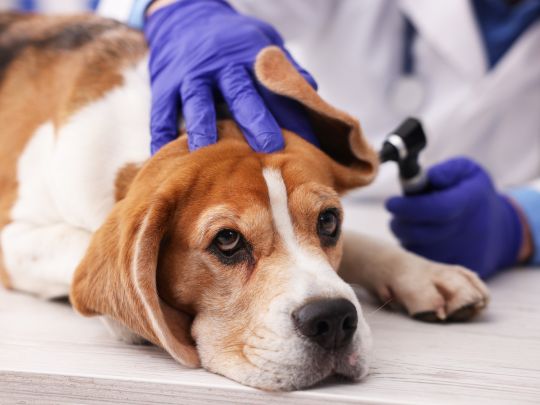
When you bring a heavily panting dog to Newport Veterinary Hospital in Rock Hill, the visit typically moves quickly, since labored breathing is treated as a priority symptom rather than something to wait on.
One of the most common questions we get is whether panting alone is reason enough to come in. In our experience, panting combined with any of the warning signs above is reason enough on its own, even if your dog seems otherwise alert.
Here is what usually happens once you arrive:
- Check-in with a quick assessment of breathing, gum color, and alertness.
- Temperature, heart rate, and oxygen levels are checked first.
- A hands-on exam looks for pain, swelling, or abdominal changes.
- Bloodwork or imaging may follow if the cause is not immediately clear.
- You leave with a clear plan for at-home care or further treatment.
How Local Summer Heat Affects Your Dog’s Breathing
Summers in Rock Hill bring high heat and thick humidity, a combination that makes it much harder for dogs to cool down through panting alone. Humidity slows evaporation from the tongue and airways, so a dog panting on a humid afternoon is working far harder to release heat than the same dog would on a dry day.
A common misconception is that overheating only happens outdoors. In reality, poor indoor airflow, a warm car parked in the shade, or even a sunny room can trigger the same dangerous rise in body temperature. Once a dog’s internal temperature climbs above roughly 103 to 106 degrees Fahrenheit, panting alone is no longer enough to cool them down safely.
Recognizing excessive panting in dogs early, especially during Rock Hill’s hot months, helps owners act before a mild issue becomes a dangerous one. This local climate is part of why searches for urgent care in Rock Hill tend to rise every summer, as more pet owners notice their dog struggling to catch a breath after even a short time outside.
Finding Pet Urgent Care When Your Dog Needs It
If your dog’s panting fits any of the warning signs above, do not wait to see if it passes. Newport Veterinary Hospital in Rock Hill sees dogs for exactly these situations, offering pet urgent care for breathing changes, pain, and other symptoms that cannot wait for a routine appointment.
Many dog owners ask why dog panting is treated so seriously by veterinary staff, and the answer is simple: breathing problems can change quickly, and early evaluation gives your dog the best chance at a smooth recovery. Call us at 803-366-2123 when your pet needs urgent care, and our team will help you decide on the right next step for your dog.
Panting is a normal part of being a dog, but dog panting excessively without a clear trigger, or alongside signs like pale gums, restlessness, or labored breathing, deserves a closer look. Trusting your instincts as a pet owner is often the first and most important step. If something about your dog’s breathing feels different than usual, treat that feeling as useful information rather than something to brush aside. A quick veterinary check can rule out anything serious and give you peace of mind either way. Your dog cannot tell you when something feels wrong, but their breathing often will, so pay attention and act on it. Book an appointment today.
Frequently Asked Questions
1. How much panting is normal for a dog?
Ans: Some panting after exercise, excitement, or warm weather is normal and should ease within about ten to twenty minutes of rest. Panting that continues well beyond that, or that happens at rest with no clear trigger, is worth watching closely.
2. What does it mean if my dog’s gums look pale while panting?
Ans: Pale, bluish, or bright red gums can point to poor oxygen circulation and are considered a warning sign rather than a normal panting symptom. This combination should prompt a same-day veterinary evaluation.
3. Can anxiety cause a dog to pant heavily?
Ans: Yes, stress and anxiety are common, often overlooked causes of heavy panting, especially during storms, car rides, or unfamiliar situations. Frequent anxious panting is still worth discussing with a vet.
4. Is heavy panting always related to heat?
Ans: No, while overheating is a common cause, pain, heart or lung issues, and certain medications can all cause excessive panting even in a cool environment. Ruling out non-heat causes is an important part of any veterinary evaluation.
5. When should I stop watching and get my dog checked?
Ans: If panting lasts more than 30 minutes without an obvious cause, or comes with weakness, vomiting, pale gums, or labored breathing, it is time to have your dog evaluated rather than waiting. Acting on that instinct early usually leads to a smoother, faster recovery.