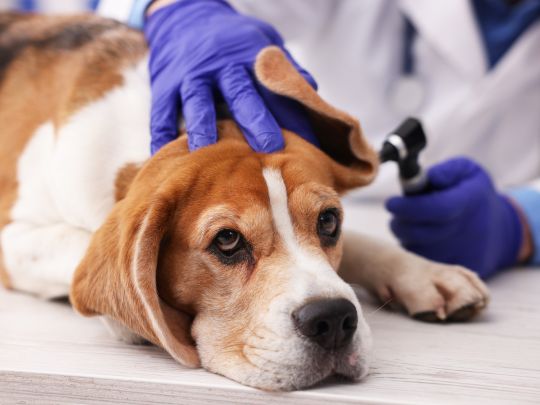


Your dog was fine a minute ago, and now his whole body won’t stop trembling. Dog shaking suddenly is one of the most alarming things a pet owner can witness, especially when there’s no obvious trigger like cold weather or fear. The truth is that sudden shaking can mean something minor, or it can be an early sign your dog needs medical attention right away. Knowing the difference matters, because guessing wrong can waste time your dog doesn’t have. Dogs tremble for dozens of reasons, from pain and anxiety to poisoning, seizures, or low blood sugar. Some causes settle down within minutes on their own. Others get worse quickly if they’re ignored. This guide walks through what shaking usually means, which signs point to a true problem, and when calling your veterinarian right away is the safest choice for your dog’s health.
Why is My Dog Shaking Suddenly?
Dogs shake suddenly because of three main triggers: pain, fear, or an underlying medical problem. Sudden dog shaking causes range from something as simple as being cold to something serious like toxin exposure or a seizure disorder. Looking at what else is happening alongside the shaking is the fastest way to tell which one you’re facing.
A dog trembling from anxiety usually settles once the trigger, like a loud noise or a new environment, is removed. A dog shaking from pain often holds one body part stiffly or flinches when you touch it. Tremors caused by low blood sugar, toxins, or neurological issues tend to come on fast and don’t ease up with comfort or reassurance. Veterinary experience shows that generalized tremor syndrome, sometimes called “shaker syndrome,” can affect dogs of any breed, though small breeds are diagnosed with it more often. A dog that seems confused, wobbly, or unusually withdrawn along with the shaking should be seen promptly, since those extra signs point away from a harmless cause. Watching your dog’s full behavior, not just the shaking itself, gives you the clearest picture of what’s actually going on.
Age plays a role too. Older dogs sometimes develop tremors linked to joint pain or muscle weakness, while puppies can shake from excitement, cold, or simple overstimulation after a busy day. Certain small breeds are also more prone to head tremors that come and go on their own, which can look frightening even when the dog seems otherwise alert and happy. Keeping a mental note of how long an episode lasts and whether your dog stays responsive during it will help your vet narrow down the cause much faster.
Warning Signs That Point to a Real Problem
Not every shake needs an urgent visit, but certain signs mean you shouldn’t wait:
- Shaking paired with vomiting or diarrhea, which often signals poisoning or a serious stomach issue.
- Shaking with weakness or stumbling, which can point to low blood sugar or a neurological problem.
- Shaking after eating something unknown, since swallowed toxins, medication, or plants can cause tremors within hours.
- Shaking that turns into full-body convulsions, which may be a seizure and always needs prompt veterinary care.
- Shaking along with a hunched posture or whining, which usually points to pain somewhere in the body.
In Rock Hill, pet owners often tell us they assumed their dog was just cold or nervous, only to learn there was a more serious cause once we examined him. A dog that shows two or more of these signs together is telling you something specific, not just reacting to a passing scare. Urgent care for dogs is the safer choice any time shaking comes with one of these signs, rather than waiting to see if it passes.
What to Expect During a Same-Day Vet Visit
Bringing in a dog that’s shaking can feel stressful, but the process is simple. Here’s what typically happens during a vet visit for shaking:
- A technician checks your dog’s temperature, heart rate, and breathing right away.
- The veterinarian asks when the shaking started and what your dog ate, did, or was exposed to beforehand.
- A physical exam checks for pain, swelling, or neurological signs.
- Bloodwork may be recommended to rule out toxins, blood sugar problems, or organ issues.
- Your vet explains the findings and any treatment your dog needs next.
In our experience treating dogs across Rock Hill, most shaking cases resolve quickly once the cause is found and treated. Many dogs we see calm down within minutes of arriving, since a familiar car ride and a calm voice settle nerves faster than most owners expect. Bring a short written timeline of when the shaking started and anything unusual your dog was near, since this small detail often speeds up the exam. If your dog has a history of anxiety, mention it up front, since a nervous dog in a new environment can shake for reasons that have nothing to do with the original concern. Staying calm yourself also helps, since dogs often pick up on their owner’s stress and mirror it right back.
Could the Season Be Behind Your Dog’s Shaking?
Many pet owners believe shaking only happens in the cold, but that’s not the full picture. In South Carolina, sudden heat and humidity can trigger tremors just as often as a chilly night can. Dogs that overheat on summer walks sometimes shake as their body works to cool down, and dogs exposed to seasonal pollen can tremble from discomfort or itching.
Dog tremors and shivering tied to weather are usually temporary, but they can look like something more serious if you aren’t watching closely. A dog shivering after a swim in a cold pond is very different from a dog shaking uncontrollably indoors on a warm afternoon. The second situation is far more likely to need medical attention, since there’s no obvious environmental reason behind it. If the shaking doesn’t ease up once your dog is warm, dry, and calm, that’s a signal worth taking seriously rather than waiting it out.
How to Get Help Fast When Your Dog Needs It
When your dog’s shaking doesn’t fit into a harmless explanation, waiting it out isn’t worth the risk. If you’re searching for urgent vet care in Rock Hill, Newport Veterinary Hospital is ready to sort out the cause quickly. Pet urgent care exists for moments like this, when you need answers fast and don’t want to sit on a long wait list.
Call us at 803-366-2123 when your pet needs urgent vet care in Rock Hill, and our staff will help you decide whether to come in right away or monitor at home a little longer. Our front desk team can also walk you through parking and check-in over the phone so the visit feels less stressful from the moment you arrive.
Dog shaking suddenly can range from a passing moment of nerves to a genuine problem that needs treatment, and the signs surrounding the shaking tell you which one you’re facing. Trust your instincts if something feels off, especially when shaking comes with vomiting, weakness, or a behavior change. Newport Veterinary Hospital’s team is always ready to help you sort out what’s normal and what needs prompt care. Don’t wait until morning if your dog’s condition seems to be getting worse. A quick call and a same-day visit can catch a problem early and bring you peace of mind. Trust your gut, and let your vet confirm what your dog needs. Book an appointment today.
Frequently Asked Questions
Q: Is it normal for a dog to shake for no reason? Ans: Occasional shaking can be normal, especially from excitement or a chill, but dog tremors and shivering that happen repeatedly or without any clear trigger are worth mentioning to your vet.
Q: When should I worry about my dog shaking?
Ans: You should worry when sudden dog shaking is paired with other symptoms like vomiting, weakness, or disorientation, since these combinations often point to something more serious than nerves.
Q: What happens at a vet visit for a shaking dog?
Ans: A vet visit for shaking typically starts with a physical exam and a history of what your dog ate or did before the shaking began, followed by bloodwork if the cause isn’t obvious.
Q: Can anxiety cause a dog to shake suddenly?
Ans: Yes, anxiety is one of the most common causes of sudden shaking, and urgent care for dogs is still a reasonable option if you can’t tell whether fear or a medical issue is behind it.
Q: Should I try to calm my dog down before calling the vet?
Ans: A calm voice and a quiet space can help if your dog seems anxious, but this shouldn’t replace a call to your vet if the shaking is severe, prolonged, or paired with other worrying signs.