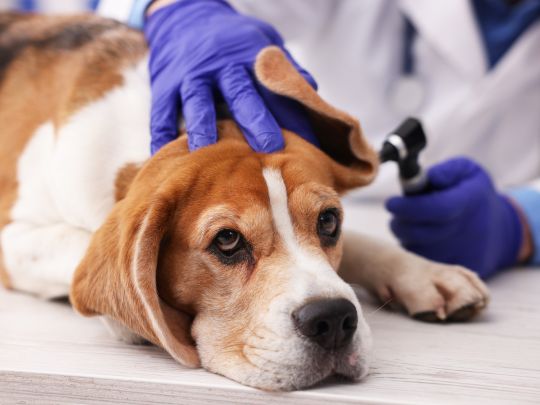


Your dog suddenly starts trembling, and your mind jumps to the worst possibilities. Shaking can be unsettling to watch. Sometimes it happens after a loud noise. Other times, it appears without warning. Knowing the difference matters.
This article explains why dogs shake, what signs deserve attention, and how veterinarians evaluate the problem. You’ll also learn practical steps you can take at home while monitoring your pet.
Many dogs experience occasional trembling during their lives. In fact, anxiety, pain, cold temperatures, and digestive upset are among the most common reasons veterinarians see shaking in dogs. If you’re searching for urgent vet care rock hill, understanding your dog’s symptoms can help you decide what to do next.
Prompt attention often leads to faster answers and greater peace of mind for worried families.
Understanding Why Dogs Shake
Shaking is a symptom, not a disease. It can range from mild trembling to full-body shaking. Some dogs shake because they are cold or excited. Others may be reacting to discomfort or an underlying health issue.
Studies suggest that behavioral concerns, including anxiety-related trembling, affect a significant percentage of companion dogs. However, physical causes should never be overlooked. Age, breed, and overall health all play a role.
Small breeds often tremble more noticeably than larger dogs. Senior pets may shake due to age-related conditions. In our experience, pet owners are often surprised to learn that shaking can have many different causes.
Common reasons for shaking include:
- Fear or anxiety
- Cold temperatures
- Pain or discomfort
- Digestive upset
- Muscle weakness
- Neurological conditions
- Exposure to certain foods or substances
A veterinarian considers the entire picture, not just the shaking itself.
Signs and Symptoms to Watch For
Shaking alone does not always indicate a serious problem. Other symptoms help determine how quickly your dog should be evaluated.
- Loss of appetite: Dogs that stop eating may be dealing with pain or illness.
- Difficulty walking: Unsteady movements can suggest weakness or neurological concerns.
- Vomiting or diarrhea: Digestive signs combined with shaking warrant closer attention.
- Excessive panting: Panting without exercise may indicate stress or discomfort.
- Changes in behavior: Hiding, clinginess, or irritability can provide important clues.
- Lethargy: A dog that seems unusually tired should be monitored carefully.
If you notice any of these signs, contact your veterinarian promptly.
Many dogs we see begin with mild trembling that progresses alongside other symptoms. One of the most common questions we get from pet owners is whether shaking always means pain. The answer is no, but pain remains one of the most frequent explanations veterinarians consider.
What Causes Dogs to Shake?
Dogs shake for many reasons, and some are more common than others.
Stress is a major factor. Thunderstorms, fireworks, and unfamiliar environments can all trigger trembling. Some dogs even shake during car rides.
Pain is another possibility. Dental discomfort, joint problems, and abdominal issues may cause subtle shaking. Older dogs are particularly prone to arthritis-related discomfort.
Environmental factors matter, too. Cold weather can make small and short-haired breeds shiver quickly. Seasonal allergies and insect bites may also contribute to irritation and restlessness.
Certain breeds appear more likely to tremble. Chihuahuas, Yorkshire Terriers, and Miniature Pinschers commonly exhibit shaking. This does not always indicate illness.
Pet owners often tell us they waited because their dog was still wagging its tail. Dogs can appear happy while still experiencing discomfort. Body language should always be considered alongside appetite, energy level, and behavior.
Another misconception is that shaking only happens in sick dogs. Healthy dogs may tremble during excitement or anticipation. The context surrounding the episode is often just as important as the symptom itself.
How Is Shaking Diagnosed and Treated?
Veterinarians begin by asking questions about when the shaking started and whether other symptoms are present. A physical examination provides valuable information.
The diagnostic process may include:
- Reviewing your dog’s recent activities and diet.
- Performing a complete physical examination.
- Checking temperature, heart rate, and hydration.
- Recommending blood work if needed.
- Considering imaging for persistent or unexplained symptoms.
Treatment depends entirely on the underlying cause.
A dog shaking from anxiety may benefit from behavioral support and environmental changes. Pain-related shaking requires identifying and addressing the source of discomfort. Dogs with digestive issues may need dietary adjustments and supportive care.
We frequently remind our clients that early evaluation often prevents prolonged discomfort. One clinical observation we regularly make is that dogs experiencing abdominal pain often display a combination of shaking, hunched posture, and reduced interest in food.
Veterinarians focus on restoring comfort while identifying why the symptom developed in the first place.
How Can You Help a Shaking Dog at Home?
If your dog is shaking but otherwise behaving normally, monitor them closely for changes over the next several hours. Keep notes about their appetite, activity level, and bathroom habits.
Here are a few helpful tips:
- Provide a warm, quiet resting area.
- Limit strenuous activity until symptoms improve.
- Offer fresh water regularly.
- Watch for additional symptoms.
- Record when the shaking occurs and how long it lasts.
Should dogs that are shaking always see a veterinarian? Not always. Mild trembling after excitement or exposure to cold may resolve quickly. Persistent shaking, especially with additional symptoms, deserves professional evaluation.
Avoid giving human medications unless specifically directed by your veterinarian. Many common household medicines can be harmful to dogs.
Families looking for animal hospital rock hill services often seek reassurance first. Understanding your dog’s normal behavior makes it easier to recognize meaningful changes. Newport Veterinary Hospital provides compassionate care and guidance for pets experiencing concerning symptoms.
Conclusion
Shaking in dogs can result from something as simple as excitement or as complex as an underlying medical condition. Paying attention to accompanying symptoms, behavior changes, and the duration of the shaking helps guide your next steps. Prompt evaluation can make a significant difference in your dog’s comfort and recovery.
If you have concerns about persistent trembling, seeking urgent vet care rock hill services can help provide answers and peace of mind. The team at Newport Veterinary Hospital is committed to helping pets feel their best while supporting the people who love them.
FAQs
Q: Why is my dog shaking but acting normal?
Ans: Dogs may shake due to excitement, cold temperatures, or mild anxiety. If the shaking continues or new symptoms appear, contact your veterinarian.
Q: What causes sudden shaking in dogs?
Ans: Sudden shaking can be caused by stress, pain, digestive issues, or environmental factors. Monitoring your dog’s behavior can help identify patterns.
Q: Should I take my dog to the vet if it won’t stop shaking?
Ans: Yes. Persistent shaking, especially when accompanied by lethargy, vomiting, or appetite changes, should be evaluated by a veterinarian.
Q: Can anxiety make my dog tremble?
Ans: Yes. Many dogs tremble during thunderstorms, fireworks, travel, or unfamiliar situations. Anxiety-related shaking often improves once the trigger is removed.
Q: How can I prevent my dog from shaking?
Ans: Prevention depends on the cause. Keeping your dog warm, reducing stress, and maintaining regular veterinary checkups can help minimize episodes of shaking.