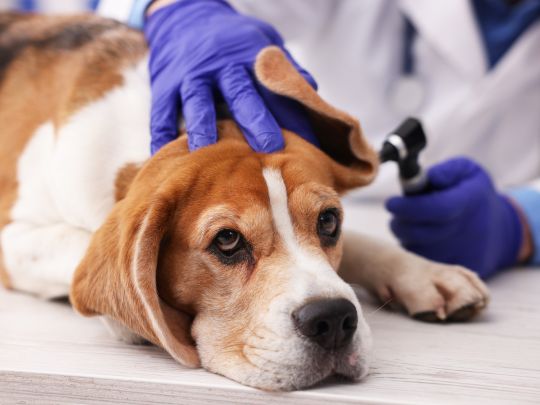


When your pet suddenly develops concerning symptoms, it’s natural to feel anxious and wonder what will happen once you arrive at the veterinary hospital. Understanding the evaluation process can help you feel more prepared and ensure your pet receives timely, appropriate care.
Veterinarians follow a structured approach to assess your pet’s condition, identify the underlying cause of their symptoms, and recommend the most suitable treatment plan. Whether your dog has developed digestive issues, your cat is limping, or your pet is behaving differently than usual, every examination is designed to gather important information that supports an accurate diagnosis.
If you’re searching for urgent vet care Rock Hill, knowing what to expect during your visit can provide peace of mind and help you prepare for your appointment.
Why Prompt Veterinary Evaluation Is Important
Pets cannot explain how they feel, so veterinarians rely on physical examinations, your observations, and diagnostic testing to understand what’s causing the problem.
Prompt evaluation allows the veterinary team to:
- Identify health concerns early
- Assess your pet’s overall condition
- Determine the severity of symptoms
- Recommend appropriate diagnostic tests
- Begin treatment as soon as possible
Early assessment often helps prevent minor health concerns from becoming more complicated.
What Happens When You Arrive
The evaluation begins as soon as you enter the hospital. A veterinary team member will gather information about your pet’s current condition and medical history before the physical examination begins.
You may be asked questions such as:
- When did the symptoms begin?
- Has your pet been eating and drinking normally?
- Has your pet vomited or had diarrhea?
- Is your pet taking any medications?
- Have you noticed changes in behavior?
- Has your pet experienced any injuries?
Providing detailed information helps the veterinarian understand the timeline of your pet’s illness and narrow down possible causes.
The Initial Physical Examination
A comprehensive physical examination provides valuable insight into your pet’s overall health.
During this assessment, the veterinarian typically evaluates:
Body Temperature
An abnormal body temperature may indicate infection, inflammation, or other medical concerns.
Heart Rate and Rhythm
Listening to your pet’s heart helps identify irregular rhythms or other cardiovascular abnormalities.
Respiratory Function
The veterinarian evaluates breathing rate, effort, and lung sounds to detect respiratory issues.
Weight and Body Condition
Changes in body weight may provide clues about underlying health conditions.
Hydration Status
The veterinary team checks for signs of dehydration by examining skin elasticity, gum moisture, and overall appearance.
Examining Your Pet From Nose to Tail
Every body system is carefully evaluated during the examination.
Eyes
Your veterinarian looks for:
- Redness
- Swelling
- Cloudiness
- Discharge
- Vision concerns
Ears
The ears are examined for:
- Infection
- Inflammation
- Excessive wax
- Foreign material
Mouth and Teeth
Oral examinations help identify:
- Dental disease
- Broken teeth
- Mouth injuries
- Gum inflammation
- Oral masses
Skin and Coat
Healthy skin provides valuable information about overall wellness.
Your veterinarian may check for:
- Hair loss
- Parasites
- Skin infections
- Allergic reactions
- Lumps or bumps
Abdomen
Gentle abdominal palpation allows the veterinarian to detect:
- Pain
- Swelling
- Enlarged organs
- Fluid buildup
- Abnormal masses
Evaluating Mobility and Joint Health
If your pet is limping or reluctant to move, the veterinarian carefully evaluates muscles, joints, and bones.
The examination may include:
- Watching your pet walk
- Checking range of motion
- Feeling joints for swelling
- Looking for signs of discomfort
- Examining paws and nails
This assessment helps determine whether additional diagnostic imaging may be beneficial.
Neurological Assessment
When pets experience weakness, balance problems, tremors, or unusual behavior, veterinarians perform a neurological evaluation.
This may include checking:
- Reflexes
- Coordination
- Muscle strength
- Balance
- Mental awareness
These findings help determine whether the nervous system may be contributing to your pet’s symptoms.
Diagnostic Testing May Be Recommended
Depending on your pet’s condition, additional testing may provide important information.
Common diagnostic tools include:
- Bloodwork
- Urinalysis
- Fecal testing
- Digital X-rays
- Ultrasound
- Skin or ear cytology
These tests help confirm a diagnosis and guide the most effective treatment plan while avoiding unnecessary procedures.
How Veterinarians Develop a Treatment Plan
Once the examination and any recommended diagnostic tests are complete, your veterinarian will explain the findings and discuss the next steps. Every treatment plan is tailored to your pet’s specific condition, age, overall health, and medical history.
Depending on the diagnosis, treatment may include:
- Medications to manage pain, inflammation, or infection
- Fluid therapy to address dehydration
- Wound cleaning and bandaging
- Nutritional recommendations
- Activity restrictions
- Follow-up examinations to monitor progress
Your veterinarian will also explain what you can expect during recovery and provide instructions for caring for your pet at home.
What Pet Owners Should Bring to the Visit
Being prepared can help your veterinary team evaluate your pet more efficiently. Before your appointment, gather as much information as possible about your pet’s recent health changes.
Helpful items include:
- A list of current medications or supplements
- Previous medical records, if available
- Photos or videos of unusual symptoms
- Information about changes in eating, drinking, or bathroom habits
- Details about when symptoms first appeared
If your pet has eaten something unusual or may have been exposed to a toxin, share that information with your veterinarian as well.
How You Can Help During the Evaluation
Pet owners play an important role in the evaluation process. Your observations often provide valuable clues that cannot be seen during the physical examination alone.
Try to answer questions as accurately as possible, including:
- When the symptoms started
- Whether the symptoms are improving or worsening
- How often they occur
- Any recent changes in your pet’s routine
- Changes in appetite, thirst, or activity level
The more information you provide, the easier it is for your veterinarian to develop an accurate diagnosis and treatment plan.
Choosing a Trusted Family Pet Clinic in Rock Hill
When unexpected health concerns arise, having an experienced veterinary team you can rely on provides peace of mind. A trusted family pet clinic Rock Hill offers compassionate care, thorough evaluations, modern diagnostic tools, and personalized treatment recommendations for dogs and cats.
If you’re searching for urgent vet care Rock Hill, choosing a local veterinary hospital allows your pet to receive timely attention from professionals who are committed to supporting their long-term health and well-being.
Contact Us
If your pet develops an unexpected illness or injury, don’t delay seeking professional care. The experienced team at Newport Veterinary Hospital is committed to providing compassionate evaluations and personalized treatment plans for pets in the Rock Hill community.
Whether your companion is experiencing digestive issues, limping, breathing changes, skin concerns, or unusual behavior, we’re here to help.
Contact us today to schedule an appointment and call us at (803) 366-2123 learn more about our urgent care services.
Conclusion
Unexpected health concerns can happen at any time, and understanding how veterinarians evaluate pets during an urgent care visit can help you feel more confident when your pet needs prompt attention. From gathering a detailed medical history to performing a thorough physical examination and recommending appropriate diagnostic tests, every step is focused on identifying the cause of your pet’s symptoms and creating the best possible treatment plan.
By recognizing early warning signs and seeking veterinary evaluation without unnecessary delays, you can help protect your pet’s comfort, health, and quality of life.
Frequently Asked Questions
1. What happens during an urgent care visit for my pet?
Ans: Your veterinarian will review your pet’s medical history, discuss current symptoms, perform a complete physical examination, and recommend diagnostic tests if needed before developing a treatment plan.
2. Will my pet need diagnostic testing?
Ans: Not every pet requires additional testing. The veterinarian will recommend bloodwork, X-rays, urinalysis, or other diagnostics only when they are helpful in identifying the underlying condition.
3. How long does an urgent care evaluation usually take?
Ans: The length of the visit depends on your pet’s condition and whether diagnostic testing is needed. Simple evaluations may be completed relatively quickly, while more complex cases may require additional time.
4. What information should I bring to my appointment?
Ans: Bring a list of medications, information about your pet’s symptoms, recent health changes, previous medical records if available, and any photos or videos that show unusual behavior.
5. Why is a physical examination so important?
Ans: A thorough physical examination allows the veterinarian to evaluate your pet’s overall health, identify visible abnormalities, and determine whether further testing or treatment is necessary.
6. When should I schedule a veterinary evaluation?
Ans: If your pet develops persistent vomiting, diarrhea, limping, appetite loss, breathing changes, urinary problems, eye issues, skin irritation, or unusual behavior, it’s best to arrange a veterinary evaluation as soon as possible.