
Veterinary anesthesia safety ensures pets experience pain-free, stress-free procedures with minimal risk. From pre-op testing to advanced monitoring and post-surgery recovery, today’s veterinary technology makes anesthesia safer than ever. At Newport Veterinary Hospital, we follow gold-standard protocols for pre-anesthetic bloodwork, individualized dosing, and real-time monitoring. This article explains how modern practices protect your pet — including seniors and high-risk animals — at every stage of care.
Understanding Veterinary Anesthesia Safety
Anesthesia allows veterinarians to perform surgeries and diagnostic procedures without pain or distress. Modern veterinary anesthesia safety standards have evolved significantly, focusing on advanced technology, precise dosing, and individualized care.
Today, anesthesia in pets is considered very safe when proper precautions — such as pre-op testing for pet surgery, comprehensive monitoring, and professional recovery management — are in place.
What Veterinary Anesthesia Involves
Anesthesia in pets can be:
- Local: Numbs a small area for minor procedures.
- Sedation: Keeps your pet relaxed but not fully unconscious.
- General anesthesia: Induces full unconsciousness for major surgeries or dental work.
Each approach is carefully chosen based on your pet’s age, health, and procedure type.
The Importance of Pre-Op Testing for Pet Surgery
Before anesthesia, veterinarians perform pre-op testing for pet surgery to identify potential risks. Just like in human medicine, no two pets respond the same way to anesthesia.
Typical Pre-Op Tests Include:
- Bloodwork: Evaluates organ function (especially liver and kidneys) to ensure your pet can process anesthesia safely.
- Electrolyte panel: Checks hydration and metabolic balance.
- Electrocardiogram (ECG): Detects underlying heart abnormalities.
- Physical exam: Assesses weight, breathing, and overall health.
These tests help determine whether anesthesia is safe or if adjustments are necessary.
Why Pre-Op Testing Matters
Pre-operative screening allows veterinarians to:
- Customize anesthesia protocols.
- Reduce complications during surgery.
- Identify hidden issues in senior pets or high-risk patients.
Skipping pre-op testing could mean missing underlying problems that may increase anesthesia risks.
Safe Anesthesia for Senior Pets
Aging pets often require extra care when it comes to anesthesia. Every veterinarian clinic specializes in safe anesthesia for senior pets through careful evaluation and gentle handling.
Key Safety Practices Include:
- Tailored drug selection: Lower doses and safer anesthetic agents for older pets.
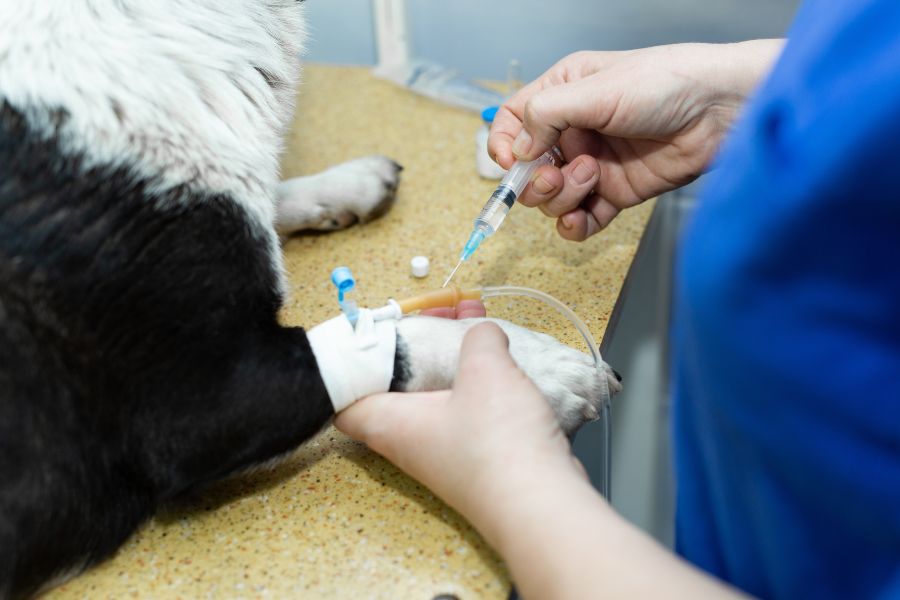
- Pre-anesthetic IV fluids: Support blood pressure and hydration.
- Temperature control: Prevents hypothermia, which older pets are more prone to.
- Continuous monitoring: Vital signs are tracked every second throughout the procedure.
Senior pets can safely undergo anesthesia when handled with these modern, science-based safeguards.
Modern Anesthesia Monitoring: How Technology Protects Pets
Veterinary medicine has made incredible progress in anesthesia safety.
Monitoring Systems Track:
- Heart rate and rhythm (ECG)
- Oxygen levels (pulse oximetry)
- Carbon dioxide (capnography)
- Blood pressure
- Body temperature
Real-time data helps the surgical team detect even the slightest changes and respond immediately.
The Role of Veterinary Technicians
A certified veterinary technician monitors your pet throughout the procedure, adjusting oxygen flow, anesthetic depth, and fluids as needed. This constant attention ensures a smooth and safe surgical experience.
Reducing Anesthesia Risks for Pets
While modern veterinary anesthesia is highly safe, understanding anesthesia risks helps pet owners feel more confident and prepared.
Common Risks Include:
- Low blood pressure or heart rate
- Slow recovery due to age or illness
- Rare allergic reactions
- Low body temperature
How Veterinarians Minimize These Risks
- Pre-op testing identifies any hidden health problems.
- IV fluids maintain hydration and circulation.
- Modern anesthetics wear off quickly for smoother recovery.
- Constant monitoring ensures immediate intervention if changes occur.
Pet Anesthesia Recovery Tips: Helping Your Pet Heal Comfortably
After surgery, your pet’s comfort and monitoring continue into recovery. Understanding pet anesthesia recovery tips can help you care for them at home.
What to Expect Post-Surgery
- Your pet may appear sleepy or unsteady for several hours.
- Mild shivering or whining can occur as the anesthesia wears off.
- Appetite may be reduced temporarily.
At-Home Recovery Tips
- Create a quiet space: Keep your pet calm and away from stairs or other pets.
- Follow medication instructions: Give pain relief as prescribed.
- Monitor eating and drinking: Offer small amounts of water and soft food.
- Check the incision site: Watch for swelling, redness, or discharge.
- Call your vet immediately if your pet seems excessively drowsy or vomits repeatedly.
Veterinarians will provide personalized pet anesthesia recovery tips before discharge to ensure your pet’s comfort and safety.
Special Considerations for High-Risk or Exotic Pets
Some pets, such as brachycephalic (short-nosed) breeds, obese animals, or exotic species, require additional attention during anesthesia.
Examples Include:
- Brachycephalic breeds: Bulldogs, Pugs, and Persian cats need airway support.
- Exotic pets: Rabbits, birds, or reptiles metabolize anesthesia differently.
- Pets with chronic conditions: Diabetes, kidney, or heart disease need modified protocols.
The Role of the Pet Owner in Anesthesia Safety
As a pet parent, you play a vital role in ensuring anesthesia success.
Here’s How You Can Help:
- Follow all pre-surgery fasting instructions.
- Disclose your pet’s full medical history and current medications.
- Ask about the hospital’s monitoring technology and safety protocols.
- Schedule your pet’s pre-op testing well before surgery.
These steps help your veterinary team plan a safe, customized anesthesia experience.
Modern veterinary anesthesia is safer than ever, thanks to advanced equipment, skilled monitoring, and personalized pre-op care. From young kittens to aging companions, every pet deserves stress-free, pain-free treatment backed by medical expertise.
If you are conveniently located in Rock Hill, SC, and searching for the best pet surgery clinic near me, Newport Veterinary Hospital is the right choice for compassionate, advanced, and reliable care.
FAQs
Q1: Is anesthesia safe for older pets?
Ans: Yes, with proper pre-op testing and monitoring, anesthesia is safe for most senior pets. Modern techniques reduce risk and improve recovery outcomes.
Q2: How long does it take for pets to recover from anesthesia?
Ans: Most pets recover within 12–24 hours, though drowsiness may last longer in seniors. Follow your vet’s pet anesthesia recovery tips carefully.
Q3: What pre-op tests are needed before pet surgery?
Ans: Standard tests include bloodwork, ECG, and physical exams to ensure anesthesia safety and tailor the anesthetic plan for your pet.
Q4: What are the most common anesthesia risks for pets?
Ans: Possible risks include low blood pressure, breathing changes, or allergic reactions. Continuous monitoring minimizes these complications.
Q5: How can I prepare my pet for surgery?
Ans: Follow fasting instructions, share your pet’s health history, and ensure pre-op testing for pet surgery is completed before the procedure.