
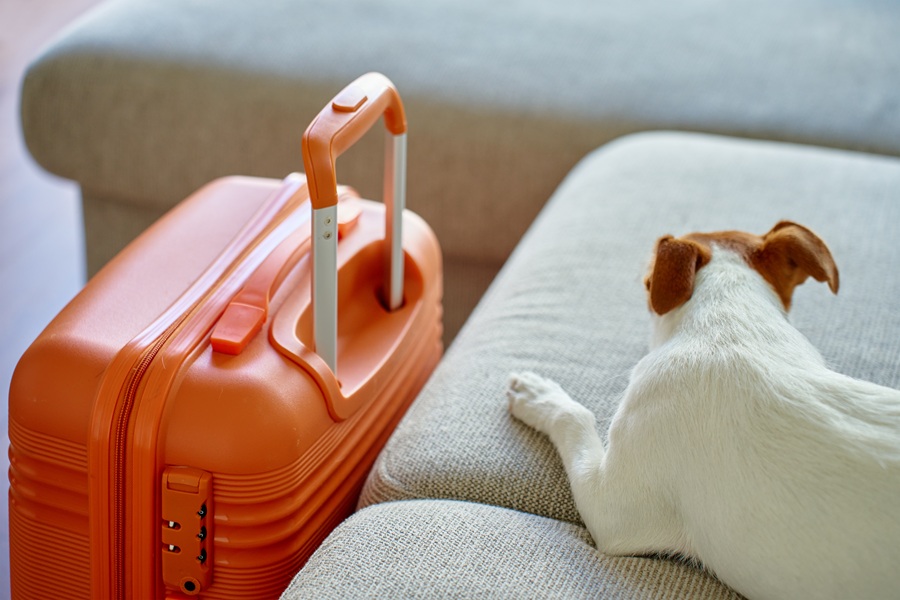
Leaving your beloved companion behind during a vacation is never easy. Many pets experience separation anxiety, which goes beyond simple boredom and triggers distress behaviors such as whining, trembling, or even destructive chewing. According to experienced professionals at animal hospital rock hill, this specific anxiety stems from fear of being separated from trusted humans or routines. Recognizing these signs early empowers pet owners to offer reassurance, even before packing their bags.
Signs Your Pet Is Struggling
Pet anxiety can show itself in many ways. Dogs and cats may start vocalizing, pacing, shaking, or even having accidents in the house despite being well-trained. More severe cases might include destructive actions like scratching doors or chewing furniture. Trusted vet teams highlight that some pets go off their food or engage in excessive grooming, which are clear signals that intervention is needed before your departure.
Soothe Their Senses: Calming Strategies Before You Leave
Luckily, preparing pets for your absence can make a big difference. Establishing a stable routine, even a few weeks ahead, ensures pets learn that departures and returns are normal. Consider using puzzle toys, soothing music, or long walks before leaving to tire them out physically and mentally. For dogs, enriching activities—like frozen treat toys or interactive feeders—can distract from anxiety and keep minds busy. These gentle practices, recommended by veterinarian in rock hill teams, build resilience and calm daily nerves.
Friends and Familiarity: Pet Sitters, Boarding, or Daycare
Transitioning smoothly is possible when pets stay with a trusted sitter or in a comforting environment at animal hospital. Some pets thrive with a known friend visiting daily or going to doggy daycare. Others do better boarding at a reputable facility, especially if they’ve had positive practice visits beforehand. Choose options tailored to your pet’s breed, age, and temperament for the best results—and always introduce new caregivers or environments gradually.
Behavior Modification: Training for Independence
Behavior modification is the foundation for long-term success. Pet anxiety experts at rock hill vet clinic stress the importance of rewarding calm behaviors, like relaxed postures or gentle breathing, when pets spend short periods alone. Over time, gradually increase the separation without triggering fear. Use treats or safe toys only when you’re away, linking positive rewards to your absences. Stay patient; each pet will progress at its own pace, and consistency yields comfort and improvement.
Veterinary Solutions: Medication and Professional Help
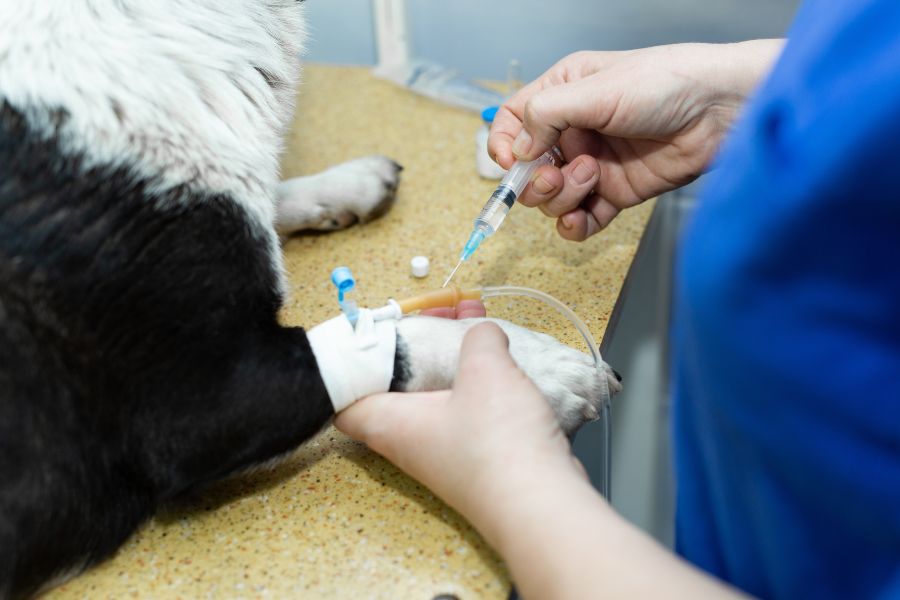
If anxiety persists or worsens, consult your veterinarian promptly. Severe cases might need short-term medication prescribed by your vet to help pets adjust, making training and routines more effective. Board-certified veterinary behaviorists and trainers at pet hospital offer custom plans, balancing natural strategies with medical solutions when needed. Remember, never punish anxious behavior—nurture your pet’s confidence and reward every small victory during your journey.
FAQs
Q1. What are the signs that my pet has separation anxiety?
Ans. Common signs include whining, shaking, tearing up household items, house-soiling, and refusing food when left alone.
Q2. How can I help my pet before leaving for vacation?
Ans. Establish calming routines, offer interactive toys, schedule long walks, and seek advice from a vet to ensure a smooth transition.
Q3. Is medication ever necessary for pet anxiety?
Ans. In persistent or severe cases, short-term anti-anxiety medication—prescribed by your veterinarian—can help pets adjust to periods of separation.
Q4. What’s the best pet care option while I’m away?
Ans. Choose what’s comfortable for your pet: a familiar sitter, reputable boarding at an animal hospital, or safe daycare with gradual introductions.
Q5. How do I reward my pet for independent behavior?
Ans. Use treats, toys, and praise only when you’re gone so your pet associates absences with positive experiences.
Q6. Can separation anxiety be cured completely?
Ans. With patience, training, and support from vets, most pets show significant improvement—even if lifelong management is required for some.