
Routine pet care is often underestimated. While it’s natural to hurry to the vet when your furry friend isn’t feeling well, a lot of pet owners miss out on the lasting benefits of preventive care. From early disease detection to improved quality of life, prevention is not just cheaper—it’s smarter. This article explores why regular checkups, balanced diets, and pet grooming routines can make all the difference for your furry companion.
Regular Care Saves Lives—and Money
Preventive care isn’t about overreacting to every sneeze or itch—it’s about consistency. Most serious pet illnesses don’t appear overnight. Conditions like kidney disease, diabetes, and dental issues develop slowly. By the time symptoms are visible, treatment becomes more invasive, expensive, and stressful.
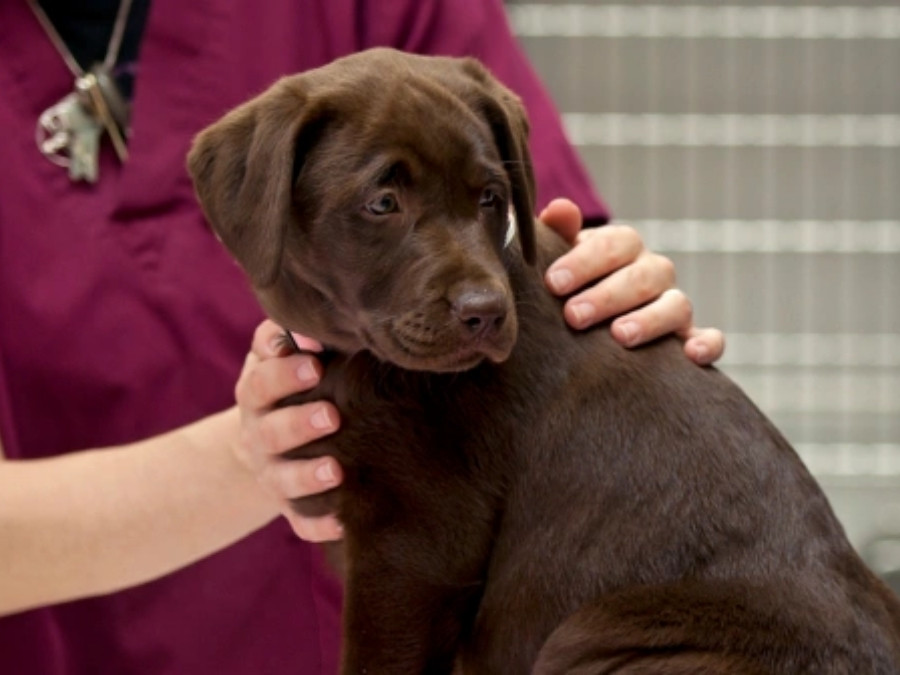
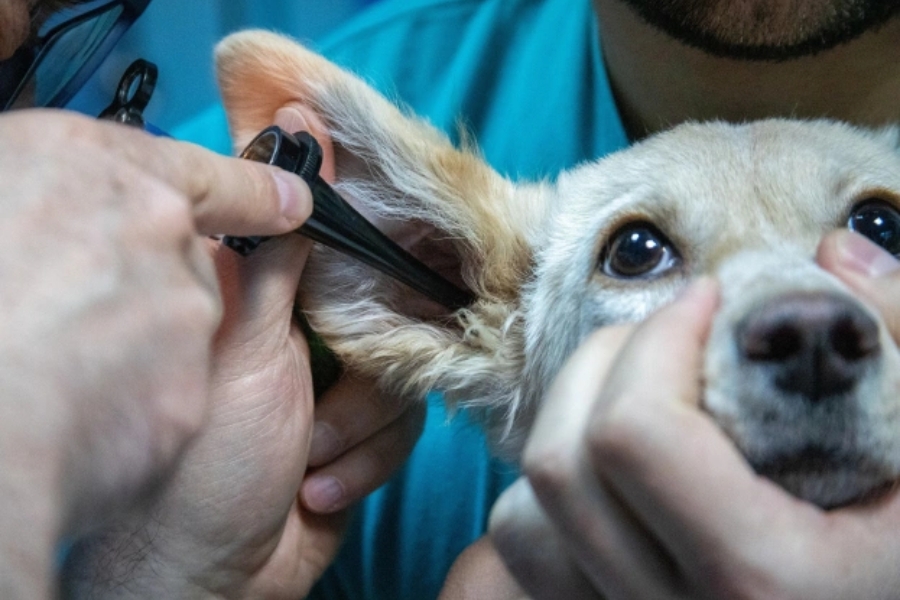
Routine visits allow veterinarians to detect early signs of illness. Blood tests, monitoring weight, and regular physical exams can help you understand your pet’s health better. Early intervention can reduce medical costs over time and prolong your pet’s life.
The Financial Perks of Prevention
Consider this: treating advanced dental disease might cost hundreds or even thousands, while regular cleanings and proper dental chews can prevent these issues entirely. Similarly, monthly parasite prevention costs far less than emergency treatment for heartworms or tick-borne diseases. Investing a little in routine care can help avoid unexpected, costly crises.
Daily Habits That Build Long-Term Health
You don’t need to wait for the vet to play a role in your pet’s health. Search for preventive practices near you.
-
Balanced Nutrition and Exercise
A healthy diet tailored to your pet’s species, breed, and age is fundamental. Obesity is a growing issue among pets, and it contributes to joint problems, heart disease, and even shortened life spans. Making sure your pet gets the right nutrition along with regular exercise is key to keeping them at a healthy weight and helping their joints and muscles stay strong.
Regular walks, playtime, and mental stimulation not only keep your pet physically fit but also reduce behavioral problems like anxiety and aggression.
-
Pet Grooming: More Than Just Looks
Pet grooming is more than making your pet look adorable—it’s a health necessity. Regular brushing reduces shedding, prevents matting, and distributes natural oils that keep your pet’s coat shiny and skin healthy. Grooming is a great opportunity to spot any lumps, bumps, or skin infections that you might not notice otherwise.
If you’re looking for professional grooming services, you’ll typically find options like ear cleaning, nail trimming, and sanitary trims. These services play a big role in keeping your pet comfortable and maintaining their hygiene. Aim to include pet grooming in your pet’s monthly routine, especially if you have a long-haired breed or a dog prone to skin issues.
-
Dental Hygiene at Home
Dental care is often neglected in pets, yet dental disease is one of the most common health issues in dogs and cats. Brush your pet’s teeth a few times a week and provide vet-approved dental chews or toys to help maintain oral hygiene. Routine pet care should always include some form of dental attention.
-
Vaccinations and Parasite Prevention
Vaccinations protect pets from common, potentially deadly diseases like rabies, distemper, and parvovirus. They’re not just about keeping your pet safe—they prevent community outbreaks and protect other animals too.
Likewise, monthly flea, tick, and heartworm prevention is vital. These parasites not only cause discomfort but also transmit serious diseases. Your vet can recommend the most suitable products based on your pet’s environment and lifestyle.
Don’t Wait for Symptoms—Act Early
Pets are masters at hiding discomfort. By the time they show signs like limping, appetite loss, or lethargy, the problem may already be advanced. That’s why regular wellness exams, pet grooming, and daily health checks matter. Think of it like routine maintenance on a car—it keeps everything running smoothly and prevents breakdowns.
Building a Preventive Care Schedule
Here’s a basic routine you can follow:
- Daily: Fresh water, proper feeding, exercise, mental stimulation
- Weekly: Brushing (especially for long-haired breeds), dental chews
- Monthly: Pet grooming, nail trims, parasite prevention
- Annually: Veterinary wellness exam, vaccinations, blood work, dental cleaning
Preventive care isn’t just about avoiding illness—it’s about giving your pet the healthiest, happiest life possible. Regular vet visits, daily habits, and consistent pet grooming routines create a strong foundation for long-term well-being.
When you shift your mindset from reactive care to proactive prevention, your pet gains more than just protection from disease—they gain more quality time with you.