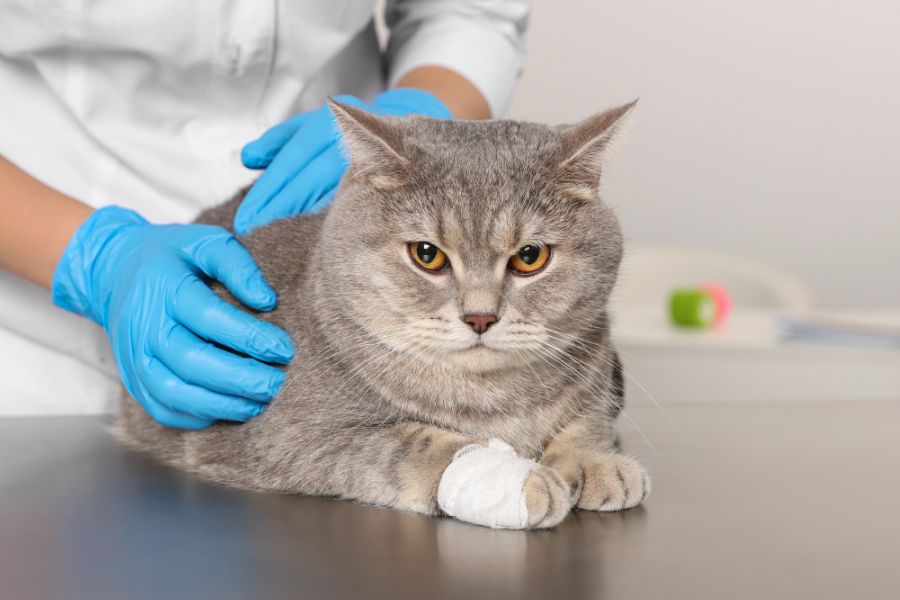

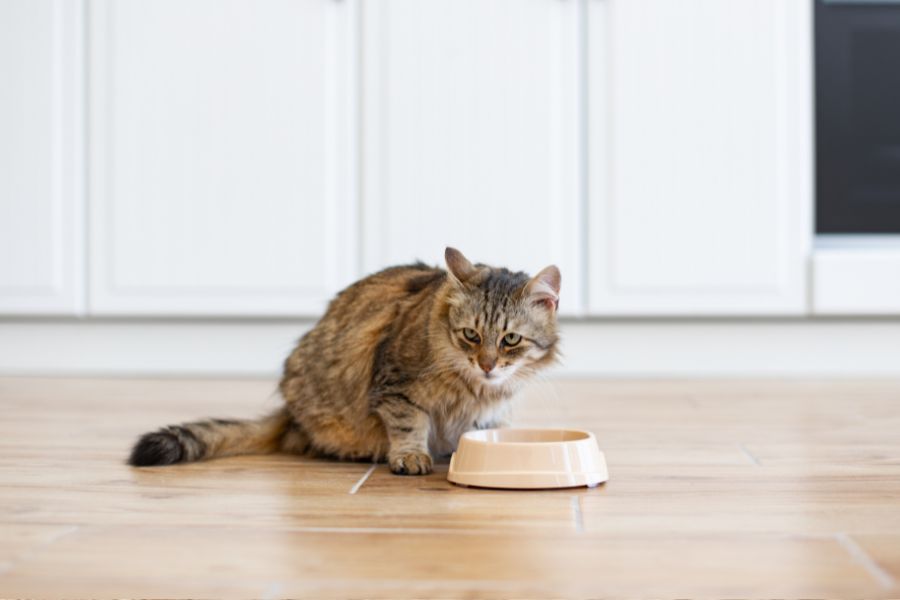
Post-surgical care for pets plays a critical role in how quickly and safely your dog or cat recovers after a medical procedure. Along with medications and rest, the right nutrition can significantly improve healing, immunity, and energy levels. This guide explains the best foods after pet surgery and how they support recovery, while also sharing practical feeding tips recommended by veterinarians.
Why Nutrition Matters in Post-Surgical Care for Pets
After surgery, your pet’s body works harder to heal incisions, fight inflammation, and regain strength. Poor appetite, nausea, or digestive upset are common, which makes food selection especially important. High-quality, easily digestible foods help:
- Repair tissues and muscles
- Support the immune system
- Prevent weight loss and weakness
- Reduce gastrointestinal stress
A veterinary surgeon will often emphasize nutrition as a key part of recovery, especially in the first two weeks after surgery.
Feeding Guidelines After Pet Surgery
Before introducing any new food, always follow your veterinarian’s instructions. General guidelines include:
- Offer small, frequent meals instead of large portions
- Choose soft or moist foods to reduce chewing effort
- Avoid fatty, spicy, or heavily processed foods
- Ensure constant access to fresh water
If your pet refuses food for more than 24 hours, contact your veterinarian in Rock Hill for guidance.
10 Best Foods After Pet Surgery
1. Boiled Chicken (Skinless and Boneless)
Plain boiled chicken is one of the most recommended foods after pet surgery. It is lean, easy to digest, and rich in protein, which helps repair tissues and muscles.
2. Plain White Rice
White rice provides gentle carbohydrates that restore energy without upsetting the stomach. It is often paired with chicken as part of a temporary bland diet.
3. Scrambled or Boiled Eggs
Eggs are a complete protein source with essential amino acids. Lightly scrambled or boiled eggs without seasoning can help support wound healing.
4. Prescription Recovery Diets
Veterinary-approved recovery foods are specially formulated for post-surgical care for pets. These diets are calorie-dense, easy to digest, and fortified with vitamins and minerals.
5. Bone Broth (Low Sodium, No Onions or Garlic)
Bone broth encourages hydration and appetite. It also provides collagen and minerals that support joint and tissue recovery. Always ensure it is pet-safe and unseasoned.
6. Canned Pumpkin (Plain)
Pumpkin supports digestive health and helps manage constipation or diarrhea after anesthesia. A small spoonful mixed into meals is usually sufficient.
7. Cottage Cheese (Low Fat)
Low-fat cottage cheese offers calcium and protein while being gentle on the stomach. It can be useful for pets that need softer food textures.
8. Cooked Sweet Potatoes
Sweet potatoes provide fiber, vitamins A and C, and slow-release energy. Mash them well and serve plain to avoid digestive irritation.
9. Plain Yogurt (Unsweetened)
Yogurt with live cultures can help restore healthy gut bacteria after medications like antibiotics. Only offer small amounts and avoid products with artificial sweeteners.
10. Commercial Soft Pet Foods
High-quality canned foods or moistened kibble designed for sensitive stomachs are often ideal during recovery. These foods are easier to eat and digest than dry kibble.
Foods to Avoid During Recovery
Not all foods are safe during post-surgical care for pets. Avoid:
- Fatty meats or table scraps
- Seasoned or spicy foods
- Raw diets unless approved by your veterinarian
- Foods containing onions, garlic, chocolate, or xylitol
These can slow healing or cause serious complications.
How Long Should a Recovery Diet Last?
Most pets stay on a recovery diet for 7 to 14 days, depending on the procedure and individual healing response. Your veterinary surgeon near me may gradually transition your pet back to their regular diet once:
- Appetite is normal
- Stitches or incisions are healing well
- Digestive function is stable
Always transition foods slowly to prevent stomach upset.
When to Contact Your Veterinarian
Seek professional advice if your pet shows any of the following:
- Refusal to eat for more than 24 hours
- Vomiting or diarrhea lasting over a day
- Swelling, redness, or discharge at the incision site
- Lethargy or signs of pain
Prompt communication with a veterinarian in Rock Hill can prevent minor issues from becoming serious.
Conclusion
Post-surgical care for pets goes beyond rest and medication; nutrition is a powerful tool in speeding up recovery and improving comfort. By choosing the right foods after pet surgery and monitoring your pet closely, you can support healing and reduce complications. For expert post-operative guidance in Rock Hill and personalized nutrition plans, contact Newport Veterinary Hospital today and ensure your pet recovers safely and comfortably.
FAQs
Q1: What is the best food to give a dog after surgery?
Plain boiled chicken with white rice or a veterinary recovery diet is often recommended for easy digestion and healing.
Q2: How soon should my pet eat after surgery?
Most pets can eat a small meal within 12 to 24 hours, depending on anesthesia effects and veterinary advice.
Q3: Can I give my pet treats during recovery?
It is best to avoid treats unless approved by your veterinarian, as they can upset digestion or interfere with medications.
Q4: How do I encourage my pet to eat after surgery?
Warm food slightly, offer soft textures, or add pet-safe broth to improve aroma and palatability.
Q5: When should I call a veterinary surgeon after surgery?
Contact your nearest veterinarian if your pet shows poor appetite, vomiting, incision problems, or unusual behavior during recovery.
Related Articles