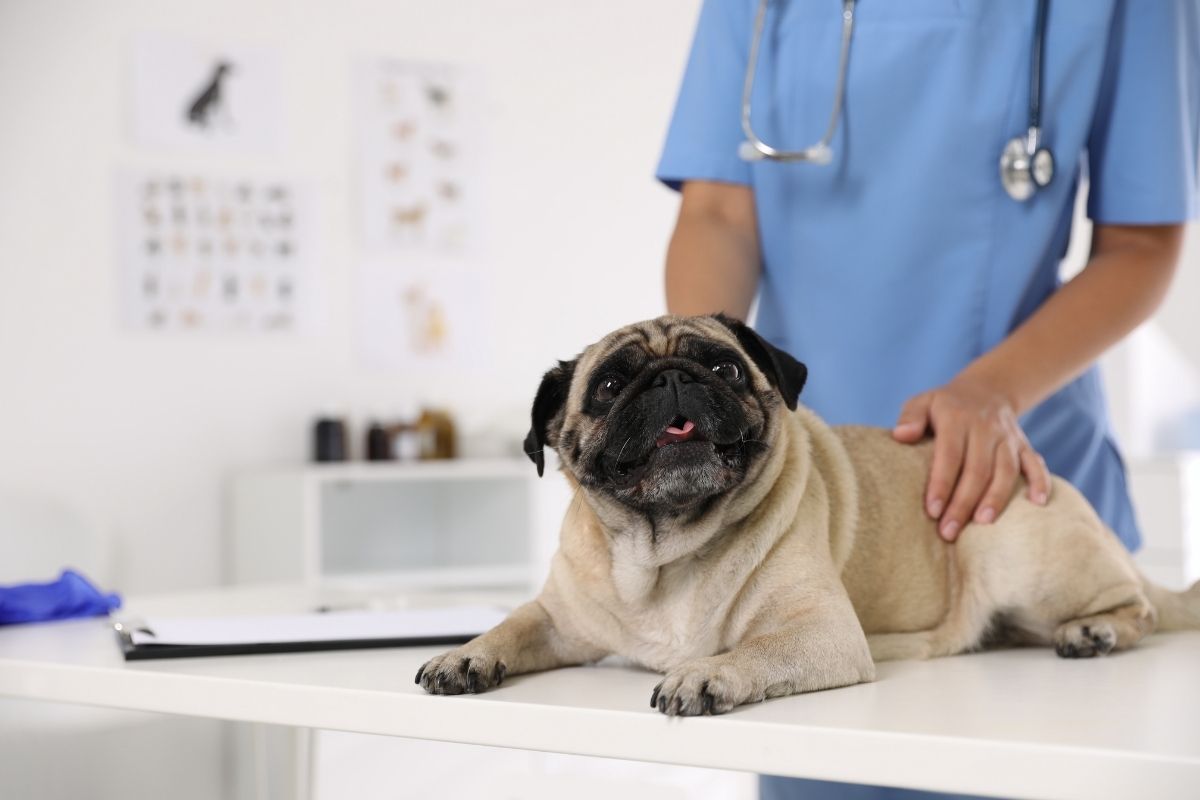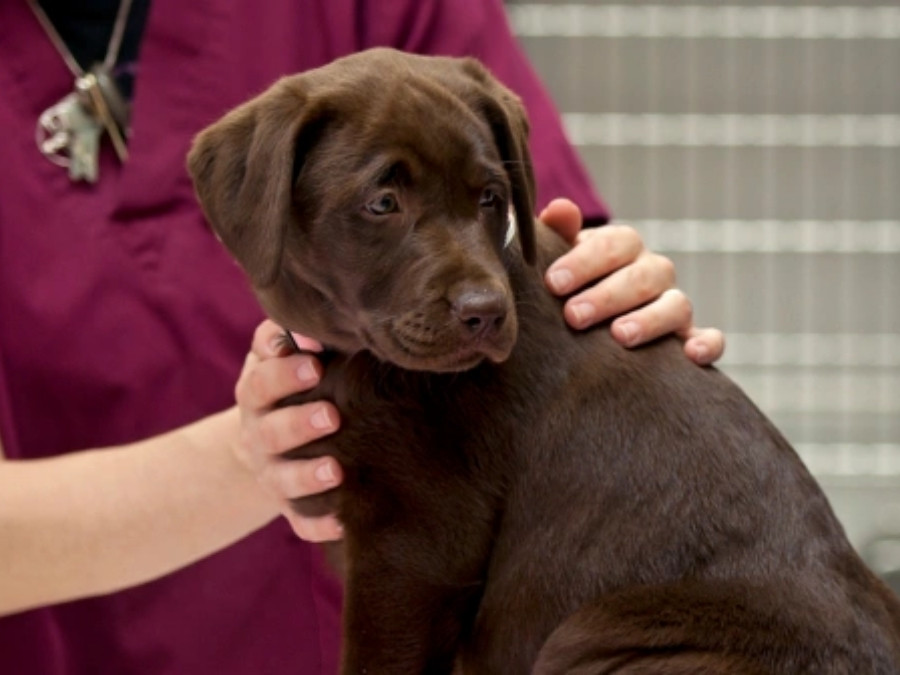

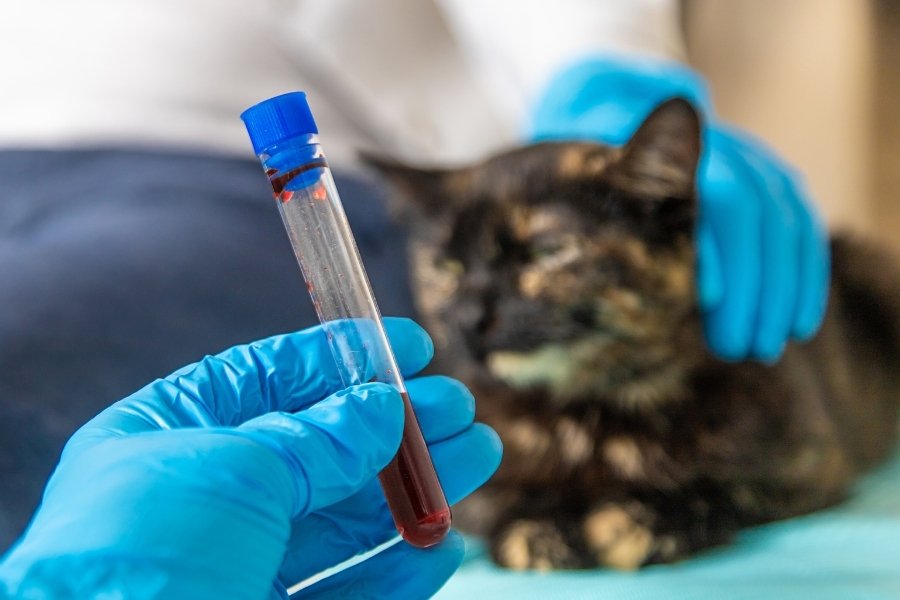
Picture this: your beloved pet bounds into the exam room, seemingly healthy and full of life. Yet, beneath that wagging tail or contented purr, problems could be quietly brewing. Unlike humans, pets can’t speak up when something feels “off”—that’s why veterinarians rely on the science of bloodwork. In Rock Hill, diagnostic care harnesses blood tests to unmask diseases long before signs show up, giving your furry companion the best shot at a long, vibrant life.
Why Routine Bloodwork Matters
Bloodwork isn’t reserved for sick pets. Routine testing forms the backbone of modern veterinary care, acting as a crystal ball for your veterinarian. By checking red and white blood cells, platelets, and the chemical makeup of your pet’s blood, vets in Rock Hill can spot tiny abnormalities before symptoms ever become visible. That’s the secret to proactive, life-saving diagnostic care in Rock Hill.
Early Detection Magic: Unveiling Hidden Threats
The real power of bloodwork lies in its ability to reveal a range of conditions early, including:
-
Kidney and liver disease
-
Diabetes
-
Thyroid problems
-
Anemia and infections
-
Immune system disorders
-
Certain cancers
Often, these illnesses progress quietly. By the time outward signs like lethargy or loss of appetite appear, much damage may already be done. But with regular blood tests, your vet can intercept these threats—sometimes months or years before your pet would ever show symptoms.
Building a Health Blueprint: Your Pet’s Baseline
Every pet is unique. That’s why establishing a baseline—a reference of what’s “normal” for your individual pet—is invaluable. With regular bloodwork as part of routine diagnostic care in Rock Hill, your vet can detect even the slightest changes. When something is off, there’s a record to compare against, allowing for swift, targeted treatment that’s tailored specifically to your pet.
What Bloodwork Looks For
Veterinary blood panels usually include:
-
Complete Blood Count (CBC): Checks for infections, inflammation, anemia, and blood-related cancers.
-
Blood Chemistry Panel: Screens organ function (kidneys, liver), glucose levels, and electrolytes.
-
Electrolyte Testing: Measures minerals key to nerve and muscle function.
-
Thyroid Tests: Detect hormone imbalances, especially important for older pets.
-
Other Specialized Tests: Depending on your pet’s age, breed, or symptoms, vets might run screens for diseases like heartworm or tick-borne illnesses.
These tests deliver a wealth of health information—sometimes in under 20 minutes—enabling prompt action.
Why Early Diagnosis Changes Everything
When disease is found early through bloodwork, vets can:
-
Begin treatment sooner, preventing further complications
-
Monitor and adjust medications for chronic illnesses
-
Prevent emergencies and reduce treatment costs
-
Improve your pet’s quality of life—and even extend it
Diagnostic care in Rock Hill puts these advantages in your hands, supporting a lifetime of wellness.
Diagnostic Care in Rock Hill
Rock Hill’s veterinary clinics pride themselves on advanced diagnostics. From in-house labs to digital imaging, these local teams combine speed, compassion, and skill, ensuring that no subtle clue is missed. Whether your pet needs a routine screening or a deeper dive after an odd symptom, diagnostic care in Rock Hill delivers answers with heart and expertise.
When Should You Request Bloodwork?
Proactive pet parents can request bloodwork:
-
During annual wellness visits
-
Before anesthetic procedures (even dental cleanings)
-
If your pet is acting “off” (weight loss, vomiting, appetite changes)
-
As pets enter their senior years (usually around age 7 for dogs, 10 for cats)
-
For routine monitoring of chronic conditions or new medications
Transitioning from reaction to prevention means your pet gets the best defense.
FAQs About Pet Bloodwork and Diagnostic Care
1. How often should my pet have bloodwork done?
Ans. Generally, annual tests are ideal for healthy adults. Seniors and pets with chronic conditions may need more frequent checks.
2. Is bloodwork necessary if my pet seems healthy?
Ans. Yes! Many diseases show no outward signs until advanced stages. Routine tests catch hidden problems early.
3. Will bloodwork hurt my pet?
Ans. The process is quick, with only mild discomfort—much like a person having blood drawn at the doctor.
4. What kinds of diseases can be detected?
Ans. Everything from organ dysfunction and diabetes to infections, anemia, and some cancers.
5. Can bloodwork tell everything about my pet’s health?
Ans. While powerful, blood tests are one part of a diagnostic puzzle. Vets may recommend imaging or follow-up tests for a complete picture.
6. Why choose diagnostic care in Rock Hill?
Ans. Local practices, Newport Veterinary Hospital offer advanced testing, rapid results, and a compassionate approach, ensuring your pet receives timely and customized care.
Trust the science behind those tiny blood vials—veterinary bloodwork is a life-saver in disguise. With the help of diagnostic care in Rock Hill, your pet gets a silent guardian that detects danger before it strikes. Partner with your vet for regular screenings, and you’ll give your best friend the healthiest, happiest life possible.