

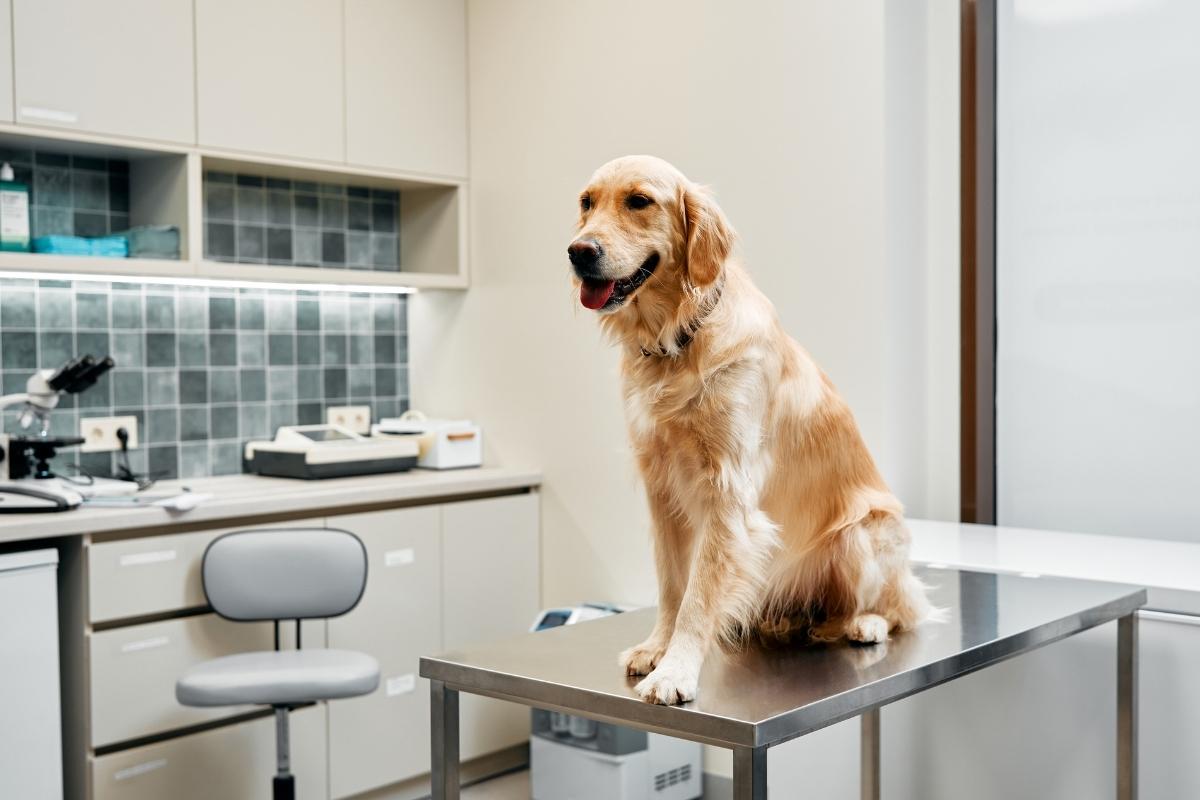
Many pet owners assume that if their dog or cat seems happy and active and is eating normally, they must be healthy. While that’s often true, many medical conditions can develop quietly for months or even years before noticeable symptoms appear. By the time obvious signs become visible, the condition may already be more advanced and harder to manage.
Through wellness exams, preventive screenings, and routine monitoring, veterinarians can often identify health concerns long before pets show outward signs of illness. In this guide, we’ll explain how early detection works, why preventive care matters, and how regular veterinary visits can help your pet enjoy a longer, healthier life.
Why Early Detection Matters for Pets
Pets cannot tell us when something feels wrong. In fact, many animals instinctively hide signs of illness or discomfort.
As a result, serious conditions can develop without obvious warning signs, including:
- Kidney disease
- Heart disease
- Diabetes
- Arthritis
- Thyroid disorders
- Dental disease
- Certain cancers
- Liver disease
Detecting these conditions early often allows for more treatment options, better outcomes, and improved quality of life.
What Happens During a Wellness Exam?
A wellness exam is much more than a simple checkup.
During a routine visit, a veterinarian evaluates your pet’s overall health from nose to tail, which typically includes:
Physical Examination
Your veterinarian may assess:
- Weight and body condition
- Heart rate and rhythm
- Lung function
- Eyes and ears
- Skin and coat health
- Joint mobility
- Oral health
Even subtle changes can provide important clues about underlying health issues.
Health History Review
Discussing changes in your pet’s habits helps identify concerns that may not be obvious during the examination.
Topics often include:
- Appetite
- Energy level
- Water consumption
- Bathroom habits
- Behavior changes
- Activity levels
Routine Bloodwork Can Reveal Hidden Problems
One of the most valuable tools in preventive care is routine laboratory testing.
Blood tests can uncover issues before symptoms become noticeable.
Conditions Bloodwork May Detect Early
- Kidney disease
- Liver disease
- Diabetes
- Infections
- Anemia
- Hormonal disorders
Many of these conditions respond best when treatment begins during the early stages.
Without screening, they may remain undetected until significant damage has already occurred.
The Importance of Monitoring Weight Changes
Weight gain and weight loss can be important indicators of health.
Gradual changes often go unnoticed at home because pet owners see their pets every day.
A veterinarian can identify concerning trends that may signal:
- Metabolic disorders
- Diabetes
- Thyroid problems
- Heart disease
- Digestive issues
Even small changes can provide valuable information about your pet’s health.
Dental Exams Can Prevent Serious Health Issues
Dental disease is one of the most common yet overlooked medical conditions in pets.
Unfortunately, many pets continue eating normally despite significant dental discomfort.
Routine examinations can identify:
- Gum disease
- Tooth fractures
- Oral infections
- Excessive tartar buildup
Poor dental health doesn’t just affect the mouth. Bacteria associated with dental disease may contribute to problems involving the heart, kidneys, and other organs.
Detecting Arthritis Before Mobility Declines
Many pet owners assume slowing down is simply a normal part of aging.
In reality, early arthritis can begin long before significant mobility problems develop.
A veterinarian may detect:
- Mild joint stiffness
- Reduced range of motion
- Early signs of discomfort
- Changes in gait
Early intervention often helps maintain comfort and mobility for a longer period.
How Preventive Screenings Help Senior Pets
As pets age, their risk for chronic health conditions increases.
Senior wellness screenings often include:
- Blood tests
- Urinalysis
- Blood pressure monitoring
- Weight evaluation
- Physical examination
These screenings help identify age-related changes before they become serious health concerns.
Because pets age faster than humans, annual or semiannual evaluations can be extremely valuable.
Heart Disease Often Develops Quietly
Heart disease doesn’t always cause obvious symptoms at first.
During routine wellness visits, a veterinarian may detect:
- Heart murmurs
- Abnormal heart rhythms
- Changes in circulation
Early diagnosis allows for closer monitoring and, when needed, earlier treatment.
Many pets continue living comfortable lives for years when heart conditions are managed appropriately.
Early Cancer Detection Can Improve Outcomes
Cancer is often easier to treat when identified early.
Routine examinations may help detect:
- Abnormal lumps
- Enlarged lymph nodes
- Skin changes
- Weight loss trends
Finding these abnormalities early can lead to faster diagnosis and more effective treatment options.
This is one reason regular wellness exams remain such an important part of preventive care.
Behavioral Changes Can Signal Medical Problems
Changes in behavior are sometimes the first indication that a pet isn’t feeling well.
Veterinarians often ask about:
- Increased sleeping
- Anxiety
- Irritability
- Changes in appetite
- Reduced activity
- House-training accidents
What appears to be a behavioral issue may actually have a medical cause.
Early evaluation helps determine whether an underlying health condition is contributing to these changes.
Preventive Care Saves More Than Money
Many pet owners think of preventive care as an added expense.
However, early detection often reduces:
- Emergency visits
- Hospitalization costs
- Advanced treatment expenses
- Long-term complications
More importantly, it helps pets maintain a higher quality of life.
Addressing health concerns before symptoms become severe is one of the most effective ways to support lifelong wellness.
Building a Long-Term Relationship With Your Veterinarian
Routine visits allow your veterinarian to become familiar with your pet’s normal health patterns.
Over time, this relationship helps identify subtle changes that might otherwise go unnoticed.
Benefits include:
- Personalized care recommendations
- Better health monitoring
- Earlier detection of disease
- Improved preventive care planning
Consistent veterinary care creates a strong foundation for long-term health.
Small Health Clues Can Lead to Big Discoveries
Many serious health issues start with small, often unseen changes. Routine exams, bloodwork, screenings, and ongoing monitoring help veterinarians identify problems early, enabling faster intervention, more treatment options, and better long-term outcomes for pets. Preventive care is about keeping pets healthy, active, and comfortable. Regular visits allow pet owners to catch issues early and make informed care decisions before minor concerns turn into major health problems.
If you’re in the Rock Hill area and want to take a proactive approach to your pet’s health, book an appointment with Newport Veterinary Hospital. We believe preventive care is one of the most powerful tools for protecting your pet’s well-being. From routine wellness exams and health screenings to personalized care plans, our team is committed to helping pets live longer, healthier lives while giving owners peace of mind every step of the way.
FAQs
Q1: How often should my pet have a wellness exam?
Ans: Most healthy adult pets should have a wellness exam at least once a year, while senior pets or those with ongoing medical conditions may benefit from more frequent visits to help detect health problems early.
Q2: Can bloodwork really find diseases before symptoms appear?
Ans: Yes. Routine bloodwork can identify early signs of kidney disease, diabetes, liver problems, infections, hormonal disorders, and other conditions long before visible symptoms develop, allowing treatment to begin sooner.
Q3: Why does my pet need preventive screenings if they seem healthy?
Ans: Many illnesses progress silently during their early stages. Preventive screenings help veterinarians detect hidden health concerns, establish baseline values, and monitor changes that could indicate developing medical conditions.
Q4: At what age should senior pet health screenings begin?
Ans: The exact age varies by species and breed. Still, many veterinarians recommend enhanced senior wellness screening programs beginning around seven years of age to monitor for age-related diseases and chronic conditions.
Q5: Can a veterinarian detect arthritis before my pet starts limping?
Ans: Often, yes. During a physical exam, veterinarians may identify subtle joint changes, stiffness, reduced flexibility, or early discomfort before obvious mobility problems or limping become noticeable at home.
Q6: What are the biggest benefits of early disease detection in pets?
Ans: Early detection often leads to more treatment options, lower healthcare costs, better disease management, improved quality of life, and a greater chance of slowing or preventing progression of serious health conditions.
Related Articles