

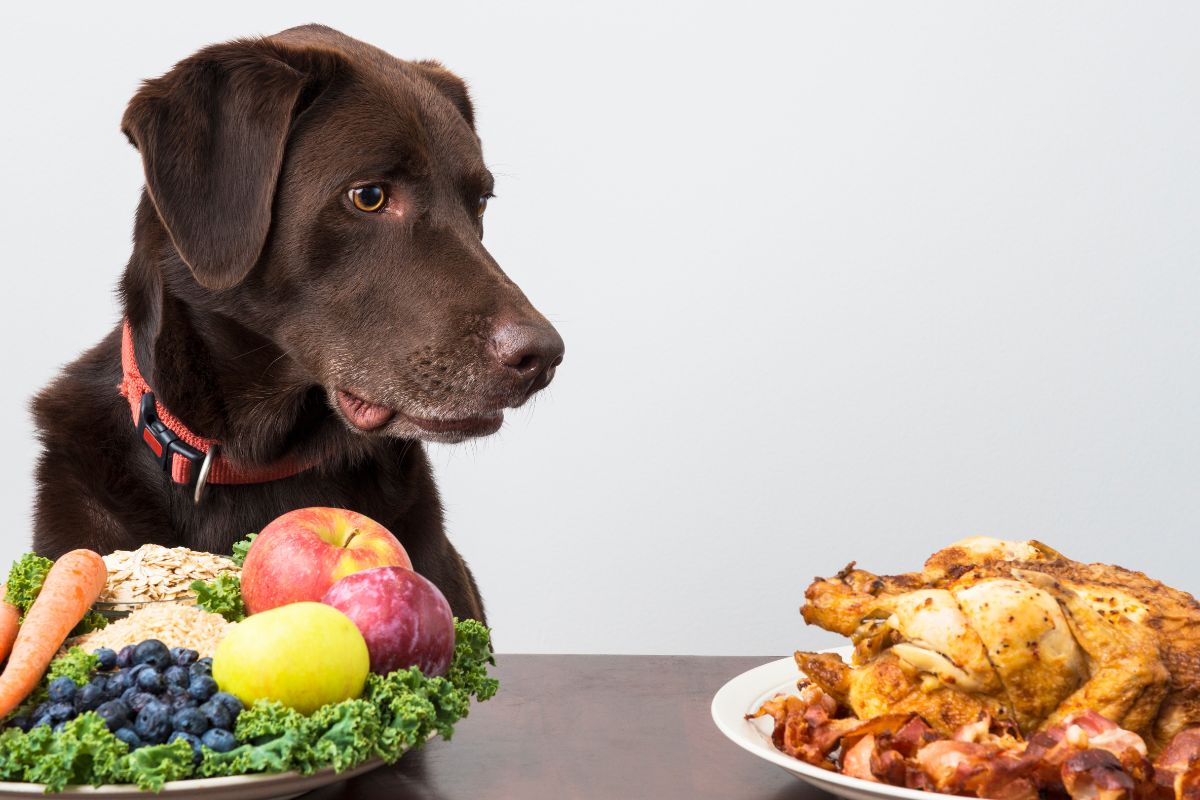
As our beloved canine companions enter their senior years, typically around seven years of age for most breeds (though larger breeds may hit this milestone earlier, and smaller breeds later), their nutritional needs undergo a significant shift. Just like humans, aging dogs experience changes in metabolism, activity levels, muscle mass, and organ function. What was once the perfect diet for a rambunctious young adult might no longer be ideal for a dog enjoying their golden years.
So, what exactly is the “best” thing to feed your senior dog? The answer isn’t a single brand or type of food, but rather a focus on specific nutritional principles that support their changing bodies. The ultimate goal is to provide a diet that helps them maintain a healthy weight, supports joint health, preserves muscle mass, and boosts cognitive function, all while being easily digestible.
Key Nutritional Considerations for Senior Dogs:
1. High-Quality, Digestible Protein:
One of the most crucial aspects of a senior dog’s diet is adequate, high-quality protein. While there’s an outdated misconception that older dogs need less protein to protect their kidneys, modern veterinary science emphasizes the opposite for healthy seniors. As dogs age, they naturally lose muscle mass (sarcopenia). Sufficient protein helps to counteract this, maintaining strength and mobility.
Look for foods where real meat (like chicken, turkey, lamb, or fish) is the primary ingredient. The protein should be highly digestible to ensure your dog can efficiently utilize the amino acids. If your dog has pre-existing kidney disease, your veterinarian may recommend a specific therapeutic diet with controlled protein and phosphorus levels, but this is a medical necessity, not a general rule for all seniors.
2. Moderate Fat and Controlled Calories:
Senior dogs often have lower activity levels, which means their caloric needs decrease. To prevent unwanted weight gain and the associated risks (like increased strain on joints, diabetes, and heart disease), senior dog foods are typically formulated with fewer calories per serving and a moderate fat content.
Obesity is a major concern in older pets. Maintaining a healthy weight is paramount for joint health, cardiovascular function, and overall longevity. Portion control becomes even more critical in these years. Your vet can help you determine the ideal daily calorie intake for your dog based on their breed, activity level, and health status.
3. Joint Support Nutrients:
Arthritis and joint pain are incredibly common in senior dogs. A good senior diet should include ingredients that support cartilage health and reduce inflammation. Look for:
-
- Glucosamine and Chondroitin: These are natural compounds that are building blocks for cartilage and can help with joint lubrication and repair.
- Omega-3 Fatty Acids (EPA and DHA): Found in fish oil (salmon, sardines, mackerel), flaxseed, and algae, omega-3s have powerful anti-inflammatory properties that can significantly benefit dogs with arthritis, improve mobility, and contribute to a healthy skin and coat.
4. Fiber for Digestive Health:
Constipation and other digestive issues can become more prevalent as dogs age.15 A diet with an appropriate amount of fiber can help regulate bowel movements, promote healthy gut flora, and aid digestion.16 Good sources include beet pulp, flaxseed, pumpkin, green beans, and sweet potatoes.
5. Antioxidants and Brain Boosters:
Just like humans, cognitive function can decline in older dogs.17 Antioxidants help combat cellular damage from free radicals, which can contribute to aging.18 Look for foods rich in:
-
- Vitamins E and C: Powerful antioxidants.
- Fruits and Vegetables: Blueberries, cranberries, carrots, spinach, and kale are excellent natural sources of antioxidants.
- Medium-Chain Triglycerides (MCTs): Some senior diets include MCTs (often from coconut oil), which can provide an alternative energy source for the aging brain, potentially improving cognitive function.
What to Avoid:
- Excessive Fillers and Artificial Additives: While some grains are fine for dogs, diets heavy on corn or soy as primary ingredients offer less nutritional value. Avoid artificial colors, flavors, and preservatives.
- High Sodium: Excessive sodium can contribute to kidney disease and hypertension, which are more common in older dogs.
- Excessive Phosphorus: While important, high levels of phosphorus can be detrimental to kidney health in dogs already prone to or with existing kidney issues.
The Importance of Your Veterinarian:
The “best” diet for your senior dog is ultimately a personalized one. Regular veterinary check-ups are essential. Your vet can assess your dog’s overall health, pinpoint any developing conditions (like early kidney disease, dental problems, or diabetes), and recommend a diet specifically tailored to their individual needs. They might suggest a commercial senior dog food, a therapeutic prescription diet, or even guide you on specific supplements.
Transitioning to a new food should always be done gradually over 7-10 days to prevent digestive upset. By making informed choices about your senior dog’s diet, you’re not just feeding them; you’re investing in their comfort, health, and happiness for their precious golden years.