
Kidney disease is one of the most common health conditions affecting cats, especially as they age. While receiving a diagnosis can feel overwhelming for pet owners, early detection and proper management can significantly improve a cat’s quality of life. Understanding the signs, treatment options, and daily care needs can help your feline companion live more comfortably for years to come.
Routine veterinary care, proper nutrition, and ongoing monitoring all play important roles in managing kidney disease in cats. We believe that educating pet owners is one of the best ways to support lifelong feline health.
What Is Kidney Disease in Cats?
Kidney disease occurs when the kidneys lose their ability to properly filter waste products from the bloodstream. Healthy kidneys regulate hydration, blood pressure, electrolyte balance, and red blood cell production. When kidney function declines, toxins build up in the body and can lead to serious health complications.
There are two primary forms of kidney disease in cats:
Acute Kidney Disease
This form develops suddenly and may result from toxins, infections, dehydration, or trauma. Immediate veterinary treatment is critical.
Chronic Kidney Disease (CKD)
Chronic kidney disease develops gradually over time and is more common in older cats. While CKD cannot usually be cured, it can often be managed successfully with ongoing veterinary care and lifestyle adjustments.
Common Signs of Kidney Disease in Cats
Kidney disease symptoms can be subtle during the early stages, which is why routine wellness exams and preventive screenings are so important. Pet owners should watch for signs such as:
- Increased thirst
- Frequent urination
- Weight loss
- Poor appetite
- Vomiting
- Bad breath
- Lethargy
- Dehydration
- Poor coat condition
As kidney disease progresses, symptoms may become more severe. Scheduling regular veterinary checkups can help identify problems before they worsen.
Why Early Detection Matters
Early diagnosis gives veterinarians the opportunity to slow disease progression and improve long-term outcomes. Many cats with early-stage kidney disease continue to live happy and comfortable lives when their condition is managed appropriately.
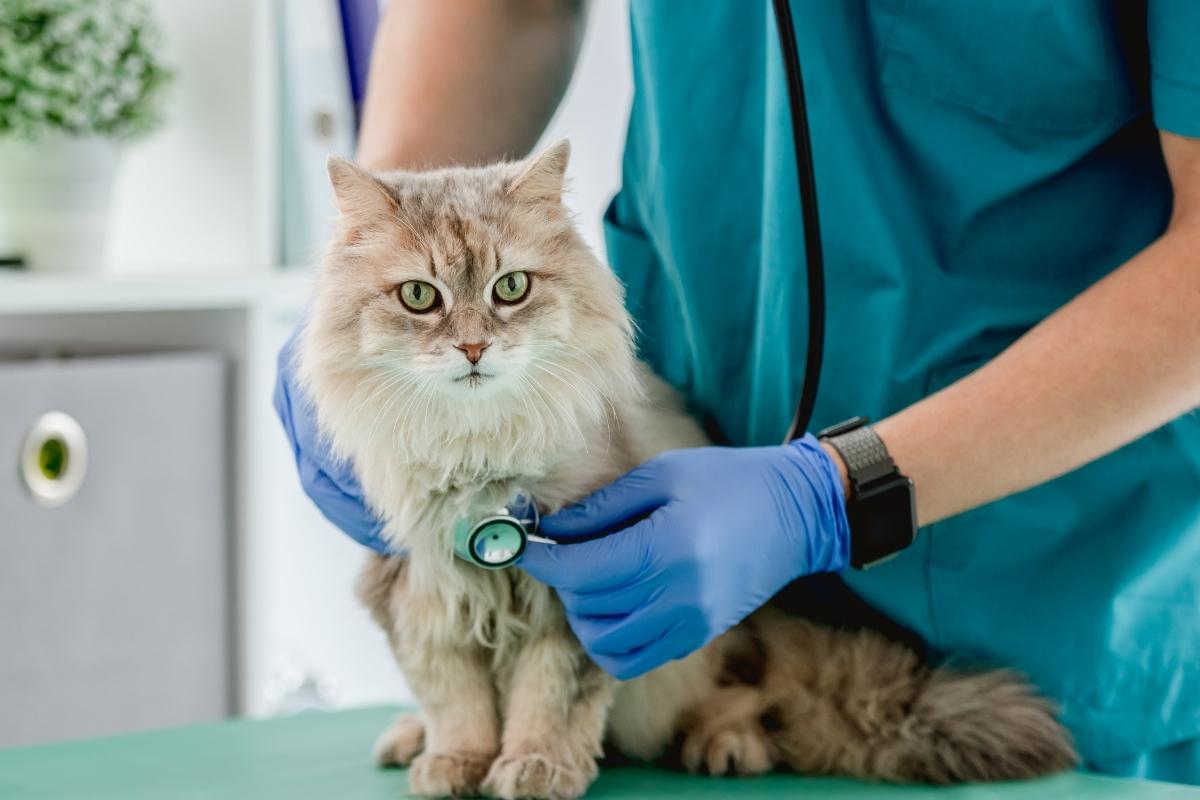
Routine bloodwork, urinalysis, and blood pressure monitoring are often used to evaluate kidney function. Preventive veterinary care plays a major role in identifying hidden health concerns before visible symptoms appear.
For pet owners seeking reliable cat preventative care rock hill services, routine wellness visits provide valuable insight into your cat’s overall health and can detect kidney disease in its earliest stages.
Causes and Risk Factors
Several factors may increase a cat’s risk of developing kidney disease, including:
- Aging
- High blood pressure
- Dental disease
- Chronic infections
- Genetics
- Exposure to toxins
- Dehydration
- Certain medications
Senior cats are particularly vulnerable, which is why wellness exams become increasingly important as pets age. Even younger cats and kittens benefit from preventive care because healthy habits established early can support lifelong wellness.
Proper kitten care rock hill services also help establish baseline health information that veterinarians can monitor throughout your cat’s life.
Diagnosing Kidney Disease
Veterinarians use several diagnostic tools to confirm kidney disease and determine its severity. Common diagnostic methods include:
Blood Tests
Bloodwork helps measure kidney values such as creatinine, BUN, and SDMA levels.
Urinalysis
Urine testing evaluates kidney concentration ability and checks for infection or protein loss.
Blood Pressure Monitoring
High blood pressure often accompanies kidney disease and requires treatment.
Diagnostic Imaging
X-rays or ultrasounds may help identify kidney abnormalities, stones, or structural changes.
Routine diagnostic testing is one of the most valuable components of preventive feline healthcare.
Treatment Options for Cats With Kidney Disease
Although chronic kidney disease cannot usually be reversed, treatment focuses on slowing progression, reducing symptoms, and maintaining quality of life.
Prescription Kidney Diets
Nutrition is one of the most important aspects of kidney disease management. Prescription kidney diets are specially formulated with controlled phosphorus, reduced protein levels, and balanced nutrients to support kidney function.
Many cats benefit greatly from transitioning to these diets early in the disease process.
Hydration Support
Cats with kidney disease are more prone to dehydration. Increasing water intake may include:
- Providing fresh water daily
- Using cat water fountains
- Feeding wet food
- Administering subcutaneous fluids when recommended
Medications
Depending on your cat’s condition, veterinarians may prescribe medications to:
- Control nausea
- Stimulate appetite
- Manage blood pressure
- Reduce phosphorus levels
- Treat anemia
Routine Monitoring
Regular follow-up visits are essential for tracking disease progression and adjusting treatment plans as needed. Monitoring allows veterinarians to respond quickly to changes in kidney function.
How Pet Owners Can Help at Home
Managing kidney disease requires teamwork between veterinarians and pet owners. Home care plays a significant role in keeping cats comfortable.
Encourage Eating
Loss of appetite is common in cats with kidney disease. Offering warmed food, wet food options, or veterinarian-approved appetite stimulants may help maintain healthy eating habits.
Reduce Stress
Cats thrive in calm and predictable environments. Providing quiet resting areas and minimizing stress can support overall health.
Monitor Behavior Changes
Pet owners should watch for:
- Changes in appetite
- Vomiting
- Energy level decline
- Increased drinking
- Weight loss
Promptly reporting changes to your veterinarian can help prevent complications.
Maintain Preventive Care
Even cats with chronic conditions still require routine wellness care, vaccinations, parasite prevention, and dental evaluations.
Comprehensive cat preventative care rock hill services help veterinarians monitor overall health and identify additional concerns early.
The Importance of Preventive Veterinary Care
Preventive care remains one of the most effective ways to protect feline health at every life stage. Routine exams help veterinarians establish health baselines, monitor trends, and detect subtle abnormalities before they become serious.
Preventive care for cats often includes:
- Wellness exams
- Bloodwork
- Urinalysis
- Vaccinations
- Parasite prevention
- Nutritional guidance
- Dental care
For kittens, early veterinary visits are especially important. Proper kitten care rock hill services help support healthy development while educating pet owners about nutrition, vaccinations, and disease prevention.
As cats age, routine screening becomes even more valuable for detecting chronic diseases like kidney disease, diabetes, arthritis, and thyroid disorders.
Why Choose Our Animal Hospital
Choosing the right veterinary team can make a major difference in your pet’s healthcare experience. At Newport Veterinary Hospital, we are committed to providing compassionate and personalized care for cats at every stage of life.
Our veterinary team focuses on:
- Comprehensive wellness care
- Preventive diagnostic testing
- Advanced diagnostic services
- Individualized treatment plans
- Client education and support
- Compassionate feline care
We understand the unique health needs of cats and work closely with pet owners to develop care strategies that prioritize comfort, wellness, and long-term quality of life.
Whether your cat needs preventive care, diagnostic testing, or chronic disease management, our team is here to help support your pet’s health journey.
Supporting Senior Cats With Kidney Disease
Senior cats require extra attention because aging increases the risk of chronic illnesses. Many kidney disease symptoms are mistakenly viewed as “normal aging,” which can delay treatment.
Routine senior wellness exams often include more extensive diagnostic testing to identify hidden conditions early. Early intervention can improve comfort and extend lifespan.
Creating a senior-friendly home environment may also help cats remain active and comfortable. Consider providing:
- Easy-access litter boxes
- Soft bedding
- Elevated food and water bowls
- Quiet resting spaces
Combined with regular veterinary care, these adjustments can greatly improve your cat’s daily comfort.
Schedule an Appointment for Your Cat’s Wellness Care
Kidney disease can be challenging, but early diagnosis and proactive care can help cats maintain a good quality of life. Routine wellness exams and preventive testing are key to detecting health problems before they become severe.
If your cat is showing signs of illness or is due for a wellness visit, schedule an appointment with Newport Veterinary Hospital in Rock Hill today. Our compassionate veterinary team is here to provide personalized care and guidance to help your feline companion stay healthy and comfortable for years to come.
Frequently Asked Questions
1. What are the early signs of kidney disease in cats?
Ans: Early signs often include increased thirst, more frequent urination, weight loss, decreased appetite, and lethargy.
2. Can kidney disease in cats be cured?
Ans: Chronic kidney disease usually cannot be cured, but it can often be managed successfully with proper veterinary care and lifestyle adjustments.
3. How is kidney disease diagnosed in cats?
Ans: Veterinarians diagnose kidney disease through bloodwork, urinalysis, blood pressure monitoring, and diagnostic imaging.
4. What should cats with kidney disease eat?
Ans: Cats with kidney disease often benefit from prescription kidney diets designed to support kidney function and reduce strain on the kidneys.
5. How often should cats with kidney disease visit the veterinarian?
Ans: Cats with kidney disease typically require regular monitoring visits every few months, depending on the severity of the condition.
6. Why is preventive care important for cats?
Ans: Preventive care helps detect diseases early, supports long-term wellness, and allows veterinarians to address health concerns before they become serious.
Related Articles