


Better Care Begins With Smarter Choices
At Newport Veterinary Hospital, we’re committed to preventive care that keeps your pet healthy and thriving all year long. From comprehensive wellness exams and personalized vaccination plans to effective parasite prevention, our services are tailored specifically to your pet — never a one-size-fits-all approach.
But true wellness goes beyond the exam room. We offer expert advice on nutrition, realistic weight management solutions, and everyday guidance to support your pet’s long-term health and happiness.
And because life happens — and collars don’t always stay on — we provide safe, permanent microchipping to give you added peace of mind. If your pet ever goes missing, you’ll have taken an important step toward bringing them home quickly and safely.
Examinations
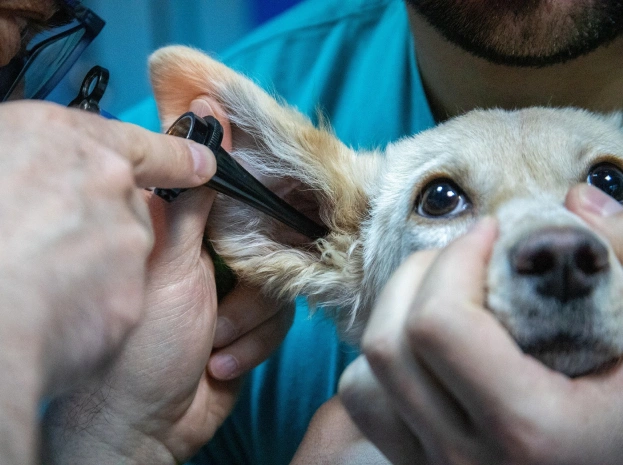
Wellness Exams
Regular wellness exams are key to helping your pet live a longer, healthier life. These check-ups enable our veterinarians to detect health issues early—before they affect your pet’s well-being—and when treatment is most effective.
Healthy pets typically benefit from annual exams, while adolescents, seniors, or pets with existing health conditions may require more frequent visits to address their specific needs.
During the wellness exam, we will conduct the following assessments:
- Check the teeth and gums for dental health
- Inspect the skin and coat for any abnormalities
- Feel for lumps, bumps, or unusual growths
- Listen carefully to the heart and lungs
- Palpate the abdomen, joints, and lymph nodes to assess overall health
- Shower your pet with praise and gentle pats to keep them comfortable and happy!
Along with the physical exam, we recommend an annual fecal test to screen for internal parasites and ensure your pet’s digestive health.
Sick Visits
If you notice changes in your pet’s usual behavior, sleeping patterns, appetite, or signs of pain, we encourage you to schedule a sick visit as soon as possible. Since pets can’t tell us what’s wrong, trusting your instincts as an owner is important — and we always believe it’s better to be safe than sorry.
Sick visits typically start with a thorough physical exam. We’ll listen carefully to your concerns and observations to better understand your pet’s condition. To identify the root cause, we may recommend additional testing through our comprehensive diagnostic services in Rock Hill, including blood work, fecal exams, or other advanced diagnostics—ensuring your pet gets the precise care they need to feel better.
Vaccinations
A simple vaccination today can protect your pet from many serious—and potentially life-threatening—diseases in the future. Vaccines work by safely exposing your pet’s immune system to a small, harmless portion of the disease. This allows their immune system to “practice” creating antibodies, so if your pet encounters the real disease later, they’ll be ready to fight it off effectively.
Our veterinary team will help you select the right vaccinations based on your pet’s lifestyle and risk factors. For instance, if you frequently travel or board your dog in kennels, a kennel cough vaccine might be especially important. Likewise, if you’re traveling internationally with your pet, certain vaccinations may be required depending on your destination.

Core Vaccines for Dogs
Here are some essential vaccinations we recommend for every dog:
- DHPP (Distemper, Hepatitis, Parvovirus, Parainfluenza)
- Rabies
- Leptospirosis
Non-core Vaccines for Dogs
Here is a list of vaccines that could be beneficial for your dog based on their individual lifestyle—your veterinarian will help determine which are right for them:
- Bordetella (kennel cough)
- Lyme
Core Vaccines for Cats
Here are the essential vaccinations we recommend for every cat:
- FVRCP (Feline Viral Rhinotracheitis, Calicivirus, and Panleukopenia)
- Rabies
Vaccines for Cats
Here is a vaccine that could be beneficial for your cat based on their individual lifestyle - your veterinarian will help determine if it's right for them:
- FeLV (Feline leukemia virus)
Parasite Control
A parasite is an organism that lives off another animal by stealing its resources to survive. For example, fleas feed on the blood of furry animals by living on their skin and coat, while intestinal worms live inside the digestive tract, absorbing nutrients meant for their host. Over time, parasites can weaken your pet and cause serious health issues—especially as they reproduce.
Preventing parasites with routine medications and annual testing is essential for your pet’s health—and for your family’s as well. Some parasites are zoonotic, meaning they can spread from animals to humans.
Fortunately, there are a range of effective preventatives available, including topical treatments and tasty chews. Our veterinary team will help you choose the best options based on your pet’s lifestyle and risk of exposure.
Here’s a quick guide to some of the most common (and unwelcome) pests:
Fleas
- Fleas are notorious for causing itchy, irritating, and sometimes painful bites.
- In severe cases, flea infestations can lead to anemia — especially in young or small pets — and may even become life-threatening.
- They don’t just affect pets; fleas can also bite humans and spread quickly through your home or yard.
- Fleas reproduce rapidly — a single female can lay up to 50 eggs per day and live for nearly a year. Early detection and treatment are key to preventing a full-blown infestation.
Ticks
- Ticks can transmit serious illnesses, including Lyme disease and other tick-borne infections.
- Deer ticks are especially small, making them hard to detect on pets with thick fur.
- They thrive in wooded areas, grassy fields, and humid environments.
- Combining regular tick checks after outdoor adventures with preventive medication is the most effective way to protect your pet.
Heartworms
- Heartworms are transmitted by mosquitoes and are especially common in warm climates like Texas.
- This condition is potentially fatal, making prevention and early detection absolutely vital.
- Early signs of infection can be subtle, such as occasional coughing or fatigue.
- If left untreated, heartworms can cause severe organ damage and ultimately lead to death.
- While dogs are the primary hosts, cats can also be affected.
- Prevention is simple and effective, while treatment is lengthy and challenging — ask us about safe and easy prevention options.
Intestinal Parasites
- Common intestinal parasites include roundworms, hookworms, whipworms, and tapeworms — definitely unpleasant guests!
- Young pets, like puppies and kittens, are especially at risk due to their developing immune systems.
- Some parasites, such as hookworms, are zoonotic — meaning they can be passed to humans.
- If your pet is infected, it’s crucial to dispose of their waste properly and wash your hands thoroughly afterward.
- Fortunately, intestinal worms are treatable with deworming medications and easy to prevent with regular parasite control.
Microchips
Most pets wear ID tags — and for good reason. If your furry friend ever gets separated from you, those tags help ensure a safe return. But consider this: do you ever remove their collar for a bath or grooming? Have they ever slipped out of it, or could someone easily take it off? Unfortunately, tags and collars can be lost, removed, or overlooked — and many veterinary clinics and shelters can confirm just how often this happens.
That’s why microchipping is such a powerful safety net.
A microchip is a tiny device, inserted just under the skin between your pet’s shoulder blades — quick, safe, and virtually painless. Once implanted, the chip stays with your pet for life and provides a permanent form of identification.
After microchipping, you simply register your contact details in a secure database. If your pet is found and taken to a vet or animal shelter, a quick scan of the chip links back to you — allowing for a faster, happier reunion.
Don’t forget to keep your information up to date in the registry, especially if you move or change phone numbers. And while microchipping offers reliable protection, your pet should still wear visible tags — doubling their chances of making it home safely.
Nutrition & Weight Management
Nutrition is the foundation of your pet’s energy, strength, and overall well-being. With the right balance of nutrients and exercise, pets can grow, thrive, and enjoy a higher quality of life. For pets living with chronic conditions like diabetes, thyroid imbalances, or cancer, specially formulated diets can play a critical role in managing symptoms and improving comfort. Whether your pet is perfectly healthy or managing a medical issue, our veterinarians can help you choose the right food based on their age, activity level, and individual needs — because one diet doesn’t fit all.
Weight management is just as vital. An estimated 35% of dogs and cats are overweight or obese, which can shorten lifespans and limit their ability to enjoy everyday activities. Pets at a healthy weight are more active, happier, and less prone to chronic illness.
At Newport Veterinary Hospital, we offer personalized guidance during each wellness exam to help you maintain or achieve your pet’s ideal weight. If you're concerned about your pet’s weight, here are some positive habits to consider implementing:
- Choose a veterinarian-approved weight management formula. Our team can help you select a metabolic diet tailored to your pet’s age, breed, size, and overall health to support safe and effective weight loss.
- Monitor their progress regularly. Snap progress photos, schedule routine weigh-ins, and celebrate small victories — tracking changes helps keep you motivated and ensures your plan is on the right track.
- Stick to portion guidelines. Always measure your pet’s food carefully to avoid overfeeding, and follow the recommended feeding instructions provided with their diet plan.
- Limit treats and skip the table scraps. While it’s tempting to share, too many extra calories (especially from human food) can derail your efforts. Plus, some foods can be harmful to pets.
- Make movement a daily habit. Regular exercise is essential. Take your dog on longer walks or get creative with backyard play. For cats, interactive toys and short play sessions throughout the day can make a big difference.