


Essential Care for Your Growing Pet
Welcoming a new puppy or kitten into your home is both exciting and full of new responsibilities. The first few months are crucial for shaping their long-term health, behavior, and well-being. At Newport Veterinary Hospital, we offer essential early care—routine wellness exams, personalized vaccination schedules, parasite protection, nutrition support, and more.
We’re also here to help you navigate every stage of development, from energy surges to behavior changes. Whether you’re a first-time pet owner or experienced caregiver, you’ll get trusted guidance, expert care, and local support every step of the way.

Building a Healthy Future With Early Vet Visits
Puppies and kittens need more frequent veterinary care during their first 8–16 weeks compared to adult pets. Their developing immune systems require a series of vaccinations, spaced every 3–4 weeks, to build strong, long-term protection.
Most pets finish their core vaccine series by around 4 months old, though the exact timeline can vary based on their health, environment, and risk level. At each visit, we’ll monitor their growth, keep vaccines on track, and begin monthly parasite prevention — protecting them from heartworms, fleas, and intestinal worms early on.
Puppy Care
Start Strong with Trusted, Individualized Care
Congratulations on your new puppy! Whether you’ve brought home a pint-sized companion or a future gentle giant, we’re here to support every step of your puppy’s journey toward a healthy, happy life.
To give your pup the best start, we recommend a core care plan that includes vaccinations, microchipping, and spaying or neutering. For large or giant breeds, early hip dysplasia screening is also a valuable preventive step.
Until your puppy has completed their full vaccine series, it’s safest to avoid places like dog parks or daycare. This helps reduce exposure to contagious diseases during their early, more vulnerable months.
Start Strong with Trusted, Individualized Care
- DHPP (Distemper, Hepatitis, Parvovirus, Parainfluenza)
- Rabies
- Leptospirosis
Depending on your puppy’s lifestyle and environment, additional vaccines may be recommended:
- Lyme
- Bordetella (Kennel Cough)
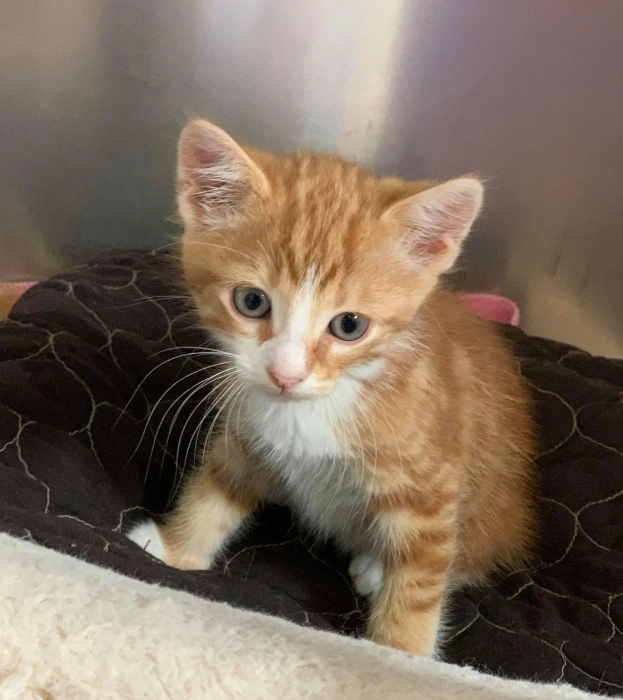
Kitten Care
Healthy Beginnings for a Happy, Thriving Cat
Thinking about adopting a kitten? We’re just as excited as you are!
If you have other cats at home, it’s a good idea to test your new kitten for Feline Leukemia (FeLV) and Feline Immunodeficiency Virus (FIV) before making introductions. Even if testing isn’t needed, keeping your new kitten in a separate space at first — like a guest room or laundry area — can help ease the transition. Swapping bedding between your cats lets them get used to each other’s scent, making eventual face-to-face meetings less stressful and more successful.
For your kitten’s health and safety, we also recommend keeping them indoors. While outdoor adventures might seem fun, the risks from traffic, disease, and predators often outweigh the benefits of free roaming.
During your kitten’s initial wellness visits, we typically recommend the following core vaccines:
- FVRCP (Feline Viral Rhinotracheitis, Calicivirus, Panleukopenia)
- Rabies
Depending on your kitten’s lifestyle and environment, an additional vaccine may be recommended:
- FeLV (Feline Leukemia Virus)