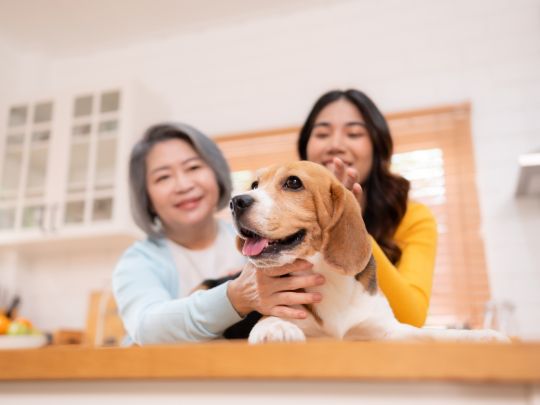
As pets grow older, their needs change just like ours do. Regular health screenings can help identify hidden concerns before they affect their comfort and happiness. A proactive approach helps senior pets enjoy more healthy and active years with their families.
Older dogs and cats often experience gradual changes that are difficult to notice at home. Newport Veterinary Hospital provides compassionate veterinary care focused on detecting age-related concerns early. Our preventive approach helps families understand their pet’s health needs and make informed care decisions.
If you live in Rock Hill or nearby communities, this guide can help you understand important screenings for aging pets. Continue reading to learn what to expect during senior pet wellness exam visits and how these evaluations support your pet’s quality of life.
Why Are Wellness Exams Important for Senior Pets?
Senior pets can develop health problems without showing obvious symptoms. Many conditions progress slowly and may appear as normal aging changes.
Regular veterinary visits allow doctors to monitor your pet’s overall health. These visits can detect early signs of disease and help create appropriate care plans.
Aging pets commonly need closer monitoring for:
- Kidney and liver concerns
- Arthritis and mobility changes
- Dental problems
- Heart conditions
- Weight changes
- Hormonal disorders
- Vision and hearing changes
Early detection allows treatment to begin sooner. It can also improve your pet’s comfort and daily activities.
When Is a Pet Considered Senior?
The senior stage depends on your pet’s species, breed, and size. Larger dogs often age faster than smaller dogs.
Cats usually enter their senior years around seven years of age. Dogs may become seniors between seven and ten years.
Your veterinarian can determine when your pet should begin senior screenings. Age alone does not define health needs.
A healthy-looking senior pet still benefits from regular evaluations. Preventive care helps maintain wellness throughout their later years.
What Happens During a Wellness Exam for Senior Pets?
This procedure includes a complete evaluation of your pet’s physical condition. The veterinarian reviews health history, lifestyle, and any changes noticed at home.
During the appointment, the veterinary team may evaluate:
Physical Examination
The veterinarian checks your pet from nose to tail. This examination helps identify visible or subtle health concerns.
The evaluation may include:
- Checking body condition and weight
- Listening to the heart and lungs
- Examining joints and movement
- Inspecting skin and coat condition
- Checking eyes, ears, and mouth
These observations provide important information about your pet’s overall health.
Blood Testing and Laboratory Screening
Blood work is one of the most valuable tools for senior pets. It can reveal internal changes before symptoms become noticeable.
Common screenings may include:
- Complete blood count
- Blood chemistry testing
- Kidney function evaluation
- Liver health assessment
- Blood sugar monitoring
These tests help veterinarians understand how organs are functioning. They also support treatment decisions when health changes occur.
What Health Screenings Should Older Pets Receive?
Every pet has unique needs based on age, breed, and medical history. However, several screenings are commonly recommended for senior animals.
Kidney and Liver Function Tests
The kidneys and liver play important roles in removing waste and supporting body functions. Their performance may decline with age.
Routine testing can identify early changes. This allows veterinarians to recommend dietary adjustments, medications, or additional monitoring.
Dental Health Evaluation
Dental disease is common in older pets. Plaque and tartar buildup can lead to discomfort and infections.
A dental examination helps identify:
- Gum inflammation
- Broken teeth
- Oral infections
- Tooth loss
Maintaining oral health supports better eating habits and overall wellness.
Joint and Mobility Assessment
Many senior pets experience stiffness or reduced activity. These changes may indicate arthritis or other joint concerns.
Veterinarians evaluate movement patterns and discuss signs noticed at home.
Common mobility changes include:
- Difficulty climbing stairs
- Less interest in play
- Trouble standing after resting
- Reduced walking ability
Early support can help improve comfort and daily function.
Heart and Lung Evaluation
Heart problems may develop gradually in older pets. Regular examinations help detect unusual sounds or breathing changes.
Your veterinarian may recommend additional testing if concerns appear during the physical exam.
Weight and Nutrition Review
Weight changes can indicate underlying health issues. Senior pets often require adjustments to their diet and activity levels.
A nutrition review helps ensure your pet receives proper support during aging.
How Does Senior Pet Care Support Aging Pets?
Many families want their pets to remain comfortable and active as they grow older. Consistent monitoring plays an important role in achieving this goal.
Professional senior pet wellness exam services focus on identifying changes early and supporting long-term wellness. Veterinary guidance helps owners understand what changes are normal and what requires attention.
Senior care may include:
- Preventive examinations
- Diagnostic testing
- Nutrition recommendations
- Pain management guidance
- Lifestyle adjustments
- Disease monitoring
Each recommendation depends on your pet’s specific condition and needs.
Signs Your Senior Pet May Need Veterinary Attention
Some health changes should never be ignored. Older pets may hide discomfort until a condition becomes advanced.
Contact your veterinarian if you notice:
- Sudden weight loss or gain
- Changes in appetite
- Increased thirst
- Difficulty moving
- Unusual sleeping patterns
- Behavioral changes
- Persistent coughing or breathing issues
Small changes can sometimes indicate larger health concerns. A veterinary evaluation can provide clarity and guidance.
How Often Should Senior Pets Have Wellness Visits?
Most senior pets benefit from veterinary visits more frequently than younger animals. Many veterinarians recommend examinations every six months.
Regular visits allow the veterinary team to compare health changes over time. This creates a clearer picture of your pet’s condition.
Consistent monitoring is especially important for pets with chronic conditions. It helps adjust care plans as their needs change.
We Support Your Senior Pet’s Health Through Every Life Stage
Senior pets bring years of love, companionship, and unforgettable memories to families. Regular screenings help protect their health and support comfortable aging. Understanding their changing needs allows owners to provide better care.
Newport Veterinary Hospital provides thoughtful veterinary evaluations designed for aging pets. Our team focuses on preventive care, early detection, and personalized recommendations for senior animals.
If you are looking for reliable senior pet care in Rock Hill and want to give your beloved companion the attentive care they deserve, seek our professional care. Book an appointment today.
Frequently Asked Questions
1. How often should my senior pet have a wellness examination?
Ans: Senior pets usually benefit from veterinary visits every six months. Your veterinarian may suggest a schedule based on your pet’s health condition.
2. What tests are included in a senior pet wellness visit?
Ans: Senior visits may include physical examinations, blood tests, dental evaluations, and organ function screenings. Testing depends on your pet’s age and medical history.
3. Are senior pets still healthy if they seem normal?
Ans: Yes, but hidden health issues can develop without visible symptoms. Regular screenings help detect problems before they become serious.
4. Why does my older pet need blood work?
Ans: Blood testing helps evaluate organ function and detect early changes. It provides valuable information about your pet’s internal health.
5. Can senior wellness visits help manage arthritis in pets?
Ans: Yes, wellness visits can identify mobility concerns. Veterinarians can recommend supportive care options based on your pet’s condition.
6. What should I tell my veterinarian during a senior pet visit?
Ans: Share any changes in appetite, behavior, activity, weight, or bathroom habits. Small details can help guide diagnosis and care.
7. Is preventive care still important for older dogs and cats?
Ans: Yes, preventive care remains important throughout your pet’s life. Regular evaluations help support comfort and detect age-related concerns.