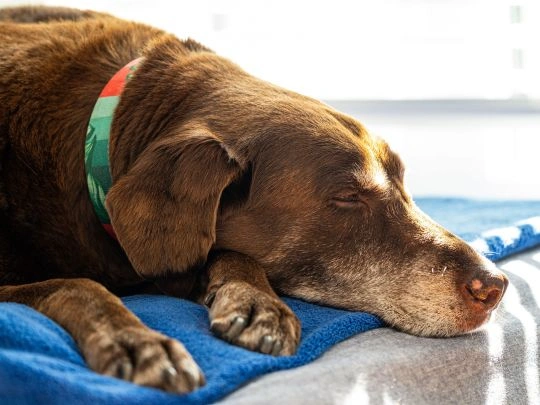
As dogs grow older, keeping them at a healthy weight becomes increasingly important. Senior dogs naturally experience changes in metabolism, activity levels, muscle mass, and overall body condition. A few extra pounds may seem harmless, but excess weight can place additional stress on aging joints and make everyday activities more difficult.
Healthy weight management is an important part of senior dog care because it can support mobility, comfort, energy, and overall quality of life. Along with balanced nutrition and appropriate exercise, regular veterinary checkups can help identify weight changes before they become a larger concern.
For pet owners looking for senior dog care in Rock Hill, understanding how weight affects an aging dog’s health is an important step toward helping a beloved companion enjoy a comfortable and active life.
Why a Healthy Weight Matters for Senior Dogs
A healthy body weight supports many aspects of a senior dog’s well-being. As dogs age, they may become less active while their calorie needs change. Continuing to feed the same portions they received during their younger years can sometimes contribute to gradual weight gain.
Extra body weight can increase the workload placed on the joints, muscles, heart, and other body systems. This is especially important for older dogs that already experience stiffness or reduced mobility.
Maintaining an appropriate weight can help your dog move more comfortably and participate in activities they enjoy. It may also make it easier to manage age-related conditions and maintain a better quality of life.
Veterinary guidance is particularly valuable because an appropriate weight varies based on a dog’s breed, size, age, muscle condition, lifestyle, and existing health concerns.
How Weight Gain Affects Senior Dog Health
Weight gain is not simply a cosmetic concern. Carrying excess weight can affect an older dog’s comfort and mobility.
Extra Stress on Aging Joints
Senior dogs are more likely to develop arthritis and other mobility concerns. Additional body weight can place greater stress on already aging joints.
A dog carrying excess weight may have difficulty:
- Getting up after resting
- Climbing stairs
- Jumping onto furniture
- Walking for longer periods
- Playing or participating in familiar activities
- Maintaining balance on slippery surfaces
Weight management can be an important part of supporting joint comfort. Newport Veterinary Hospital’s senior dog care services include arthritis and joint pain management, along with nutritional guidance and recommendations for maintaining an appropriate weight.
Reduced Mobility
An overweight senior dog may become less active because movement is uncomfortable. Unfortunately, reduced activity can contribute to additional weight gain.
This can create a cycle in which excess weight makes movement harder, and reduced movement makes weight management more difficult.
A veterinarian can help determine what type and amount of activity is appropriate for an individual senior dog.
Changes in Overall Well-Being
Weight changes can sometimes occur alongside underlying health conditions. Unexpected weight gain or weight loss should not automatically be attributed to getting older.
Senior dogs can experience conditions involving metabolism, hormones, joints, kidneys, digestion, and other body systems. Regular wellness assessments can help veterinarians investigate significant changes and develop an appropriate care plan.
Signs Your Senior Dog May Be Overweight
Because weight gain can happen gradually, pet owners may not notice it immediately. Regularly monitoring your dog’s body condition can help you identify changes earlier.
Some possible signs include:
- Ribs that are difficult to feel beneath a layer of fat
- A less visible waist when viewed from above
- A rounded or sagging abdomen
- Reduced stamina during walks
- Reluctance to climb stairs or move around
- Increased sleeping or resting
- Difficulty getting up from the floor
- Gradual increases in body weight
However, appearance alone does not provide a complete picture. A senior dog can have a seemingly normal weight while losing valuable muscle mass.
For this reason, veterinarians evaluate body condition and muscle condition rather than relying only on the number displayed on a scale.
How to Help Your Senior Dog Maintain a Healthy Weight
Weight management works best when it becomes part of your dog’s everyday routine. Small, consistent changes can make a meaningful difference over time.
Measure Food Portions
Free-feeding can make it difficult to determine how many calories a senior dog consumes each day. Measuring meals can provide better control over daily intake.
Follow feeding recommendations from your veterinarian and adjust portions when necessary based on your dog’s weight, activity level, body condition, and health needs.
Treats should also be included when considering your dog’s overall daily calorie intake.
Choose Nutrition Appropriate for Your Dog
Senior dogs do not all have identical nutritional requirements. Some may benefit from diets designed to support weight control, while others may need nutritional adjustments based on specific health concerns.
A veterinarian can help determine which nutritional approach is appropriate for your dog’s individual needs.
Newport Veterinary Hospital provides customized nutritional guidance as part of senior dog care, with plans designed around a pet’s health concerns and overall well-being.
Encourage Appropriate Exercise
Senior dogs still benefit from regular physical activity, but exercise should be appropriate for their age and physical condition.
Depending on your dog’s health, activities may include:
- Short walks
- Gentle play
- Controlled indoor movement
- Brief training sessions
- Low-impact activities recommended by your veterinarian
Avoid suddenly increasing exercise intensity. If your dog has arthritis, stiffness, weakness, or another mobility concern, ask your veterinarian which activities are safest and most beneficial.
Be Careful With Treats
Treats can be an enjoyable part of your relationship with your dog, but frequent high-calorie treats can contribute to weight gain.
Consider using smaller portions or lower-calorie options when appropriate. You can also reward your dog with affection, praise, playtime, or gentle interaction instead of relying on food for every reward.
Why Regular Veterinary Visits Are Important for Senior Dogs
Weight management should not be handled entirely at home. Senior dogs benefit from regular veterinary assessments because changes in weight, muscle condition, mobility, appetite, or behavior can provide important clues about their health.
During a senior wellness visit, a veterinarian may evaluate your dog’s body condition, joints, mobility, teeth, heart, lungs, and other areas of health. Depending on the dog’s age and individual needs, additional diagnostic testing may also be recommended.
Newport Veterinary Hospital’s senior pet care approach includes wellness exams, health screenings, nutritional guidance, mobility support, pain management, and monitoring for age-related conditions.
Regular evaluations also provide an opportunity to discuss changes you have noticed at home. Even seemingly minor changes, such as slower walks or difficulty getting up, can be worth mentioning.
Healthy Weight and Joint Health in Senior Dogs
Joint health is one of the biggest reasons weight management matters as dogs age.
Arthritis can cause stiffness and discomfort, which may make dogs reluctant to exercise. Maintaining a healthy weight can help reduce unnecessary strain on the joints while supporting mobility.
A comprehensive approach may include nutritional adjustments, controlled exercise, weight monitoring, and veterinary recommendations for managing joint discomfort.
If your senior dog is slowing down, do not assume that reduced activity is simply a normal part of aging. Changes in mobility deserve attention because appropriate support may help your dog remain more comfortable and engaged in daily activities.
Creating a Healthy Routine for an Aging Dog
A consistent routine can make weight management easier for both dogs and their owners.
Start by monitoring your dog’s food portions and keeping treats reasonable. Maintain an exercise routine that matches your dog’s abilities. Weigh your dog periodically or have their weight checked during veterinary visits.
It can also help to keep notes about changes in:
- Appetite
- Water consumption
- Activity level
- Weight
- Mobility
- Sleep patterns
- Bathroom habits
- Behavior
Tracking these changes gives you useful information to share during veterinary appointments.
A senior dog does not need to be highly athletic to stay healthy. The goal is to encourage safe, appropriate movement while maintaining a body condition that supports comfort and mobility.
When Weight Loss May Also Need Attention
Although weight gain is a common concern, unexplained weight loss should also be taken seriously.
An older dog that loses weight without a change in diet or exercise may have an underlying health concern. Changes in appetite, drinking habits, digestion, activity, or behavior can provide additional clues.
Your veterinarian can assess these changes and determine whether diagnostic testing or nutritional adjustments may be appropriate. Senior pet wellness programs may include bloodwork, urine testing, imaging, and other assessments when indicated by a pet’s individual health needs.
Supporting Long-Term Senior Dog Wellness
Maintaining a healthy weight is only one part of caring for an aging dog. Senior dogs also benefit from appropriate nutrition, regular exercise, dental care, mobility support, mental stimulation, and routine health assessments.
The most effective senior care plan is individualized. A healthy weight for one dog may not be appropriate for another because breed, frame size, muscle mass, activity level, and health status all influence nutritional and exercise needs.
With consistent monitoring and professional guidance, pet owners can make informed decisions that support their dog’s comfort and quality of life throughout the senior years.
Helping Your Senior Dog Enjoy the Golden Years
A healthy weight can make a meaningful difference in how a senior dog moves, plays, rests, and interacts with the people they love. Managing portions, encouraging appropriate activity, monitoring body condition, and maintaining regular veterinary care can all contribute to healthier aging.
If you are searching for senior pet care in Rock Hill or dependable senior pet care near you, professional guidance can help you create a weight-management plan tailored to your dog’s needs.
At Newport Veterinary Hospital, our team provides personalized senior dog care in Rock Hill, including wellness assessments, nutritional guidance, mobility support, and care designed around the changing needs of aging pets. If you are concerned about your senior dog’s weight or overall health, schedule an appointment with our animal hospital to discuss the best ways to support your dog’s comfort, mobility, and quality of life.
Frequently Asked Questions
1. How can I tell if my senior dog is overweight?
Ans: You may notice that your dog’s waist is less visible, their ribs are harder to feel, or they tire more easily during activity. However, a veterinarian should evaluate body condition and muscle mass to determine whether your dog is at an appropriate weight.
2. Should I reduce my senior dog’s food as they become less active?
Ans: Not necessarily without professional guidance. Senior dogs often have changing calorie requirements, but simply reducing food may not provide the nutrition they need. A veterinarian can recommend appropriate portions based on your dog’s weight, activity level, and health.
3. Can excess weight make arthritis worse in senior dogs?
Ans: Extra weight can increase stress on aging joints and may make movement more difficult. Maintaining an appropriate body condition can be an important part of supporting mobility and joint comfort.
4. What exercise is appropriate for an overweight senior dog?
Ans: Gentle, consistent activities such as short walks may be appropriate for some senior dogs. The right exercise plan depends on your dog’s physical condition. Dogs with joint or mobility concerns should receive individualized exercise recommendations from a veterinarian.
5. How often should I monitor my senior dog’s weight?
Ans: Regular monitoring can help identify gradual changes before they become significant. Your veterinarian can recommend an appropriate schedule based on your dog’s age, health, body condition, and weight-management goals.
6. When should I discuss my senior dog’s weight with a veterinarian?
Ans: Discuss weight changes during routine senior wellness visits or whenever you notice unexplained weight gain or loss, reduced activity, difficulty moving, or changes in appetite. Professional assessment can help determine whether dietary, exercise, or medical adjustments are needed.
Related Articles