
Summer brings longer days, outdoor adventures, and plenty of opportunities to spend quality time with your pets. While warm weather can be enjoyable, it also presents serious health risks for dogs and cats. One of the most dangerous seasonal concerns is heatstroke, a life-threatening condition that can develop quickly when pets are exposed to excessive heat and humidity.
Understanding the signs of heatstroke and knowing how to prevent it can make a significant difference in your pet’s health and safety. Whether you enjoy daily walks, outdoor playtime, or family trips with your furry companion, taking the right precautions can help keep them comfortable throughout the hottest months of the year.
If you are looking for guidance from a trusted veterinarian Rock Hill pet owners rely on, understanding heat-related risks is an important part of responsible pet care.
What Is Heatstroke in Pets?
Heatstroke occurs when a pet’s body temperature rises to dangerous levels and can no longer regulate itself effectively. Unlike humans, pets have limited ways to cool themselves. Dogs primarily cool down through panting and small amounts of sweating through their paw pads, while cats rely on grooming and seeking cooler environments.
When temperatures climb too high or pets cannot cool themselves adequately, their internal organs can begin to suffer damage. Heatstroke is considered a medical emergency and requires immediate veterinary attention.
Why Pets Are More Vulnerable During Summer
Many pet owners underestimate how quickly a pet can overheat. Even moderate summer temperatures can become dangerous under certain conditions.
Common risk factors include:
- High humidity levels
- Extended outdoor activity
- Lack of access to shade
- Limited access to fresh water
- Being left in a parked vehicle
- Thick or heavy coats
- Obesity
- Advanced age
- Underlying medical conditions
Certain breeds, especially brachycephalic dogs such as Bulldogs, Pugs, and Boston Terriers, are particularly susceptible because their shorter airways make cooling through panting less effective.
Early Signs of Heatstroke Every Pet Owner Should Know
Recognizing the warning signs early can help prevent a medical emergency from becoming life-threatening.
Some of the most common early symptoms include:
Excessive Panting
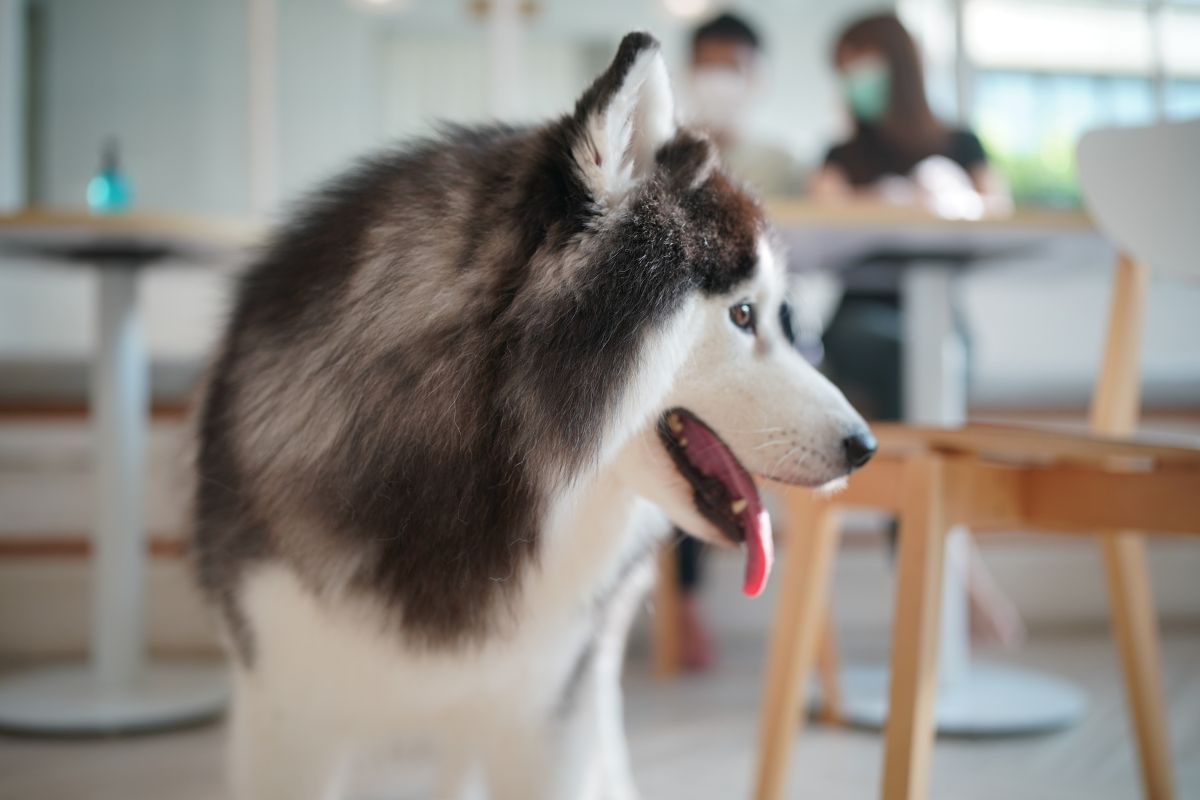
Heavy or rapid panting is often the first indication that a pet is struggling to regulate body temperature.
Increased Drooling
Excessive drooling can signal overheating, particularly in dogs.
Lethargy
A pet that suddenly appears tired, weak, or unwilling to move may be experiencing heat stress.
Bright Red Gums
Healthy gums are generally pink. Bright red gums may indicate elevated body temperature and poor circulation.
Increased Heart Rate
An unusually rapid heartbeat may accompany overheating.
Restlessness
Some pets become anxious, agitated, or unable to settle comfortably when they are too hot.
Severe Symptoms of Heatstroke
As heatstroke progresses, symptoms can become more serious and potentially fatal.
Watch for:
- Vomiting
- Diarrhea
- Weakness or collapse
- Difficulty breathing
- Disorientation
- Tremors
- Seizures
- Loss of consciousness
If your pet displays any of these symptoms, seek emergency veterinary care immediately.
What to Do If You Suspect Heatstroke
Quick action can help reduce the severity of heat-related injuries.
Move Your Pet to a Cooler Area
Immediately bring your pet indoors or into a shaded, well-ventilated space.
Offer Cool Water
Allow your pet to drink small amounts of cool water. Avoid forcing water intake.
Use Cool, Not Ice-Cold, Water
Apply cool water to your pet’s paws, belly, and body. Extremely cold water can cause blood vessels to constrict and may worsen the situation.
Increase Air Circulation
Use fans or air conditioning to help lower body temperature gradually.
Contact Your Veterinarian
Even if your pet appears to recover, internal complications can develop after heatstroke. Professional evaluation is essential.
How to Prevent Heatstroke During Summer
Prevention remains the best defense against heat-related emergencies.
Walk Pets During Cooler Hours
Schedule walks early in the morning or later in the evening when temperatures are lower.
Avoid outdoor exercise during peak afternoon heat.
Always Provide Fresh Water
Ensure your pet has constant access to clean, cool water both indoors and outdoors.
Portable water bottles and travel bowls can be helpful during outings.
Create Shady Rest Areas
If your pet spends time outside, provide shaded areas where they can escape direct sunlight.
Trees, covered patios, and well-ventilated shelters can help reduce heat exposure.
Monitor Exercise Intensity
While exercise is important, strenuous activity should be limited during hot weather.
Pay attention to signs of fatigue and allow frequent rest breaks.
Use Cooling Products
Cooling mats, elevated pet beds, and cooling vests can help maintain a safer body temperature during summer.
Never Leave Pets in a Parked Vehicle
This is one of the most important summer safety rules.
Even when outdoor temperatures seem mild, the temperature inside a parked car can rise dramatically within minutes. Cracking windows provides very little protection.
Leaving a pet unattended in a vehicle can quickly become life-threatening.
Protecting Your Pet’s Paws From Summer Heat
Many pet owners focus on air temperature but overlook the dangers of hot surfaces.
Asphalt, concrete, and sand can become extremely hot during summer months and may burn sensitive paw pads.
A simple test is to place the back of your hand on the pavement for several seconds. If it feels too hot for your skin, it is too hot for your pet’s paws.
Consider:
- Walking on grass whenever possible
- Choosing shaded routes
- Using protective booties
- Limiting outdoor activities during peak heat
Indoor Summer Safety Tips
Keeping pets indoors during extreme heat can significantly reduce risk.
To create a comfortable indoor environment:
- Keep air conditioning running when possible
- Use fans to improve airflow
- Close blinds during the hottest parts of the day
- Provide cool resting areas
- Ensure water bowls remain full
Cats and dogs alike benefit from access to cool flooring surfaces such as tile or hardwood floors.
Special Considerations for Senior Pets
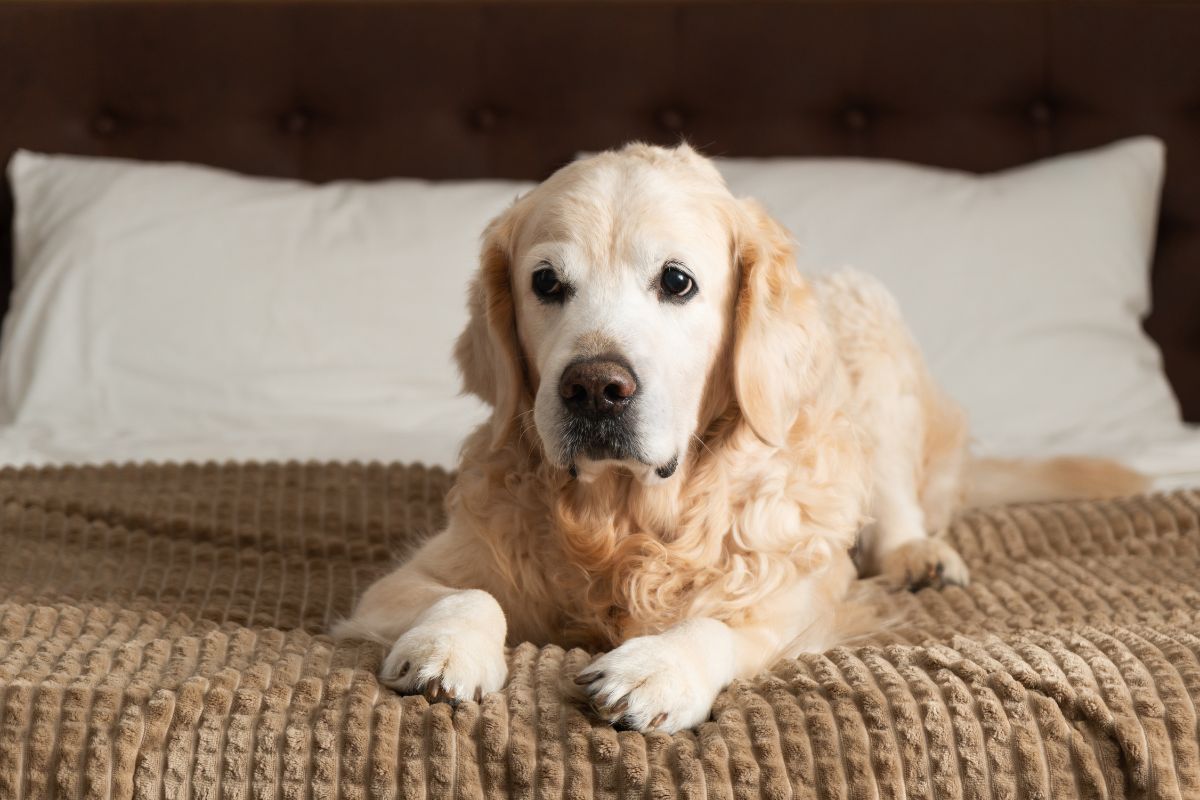
Older pets often have a harder time regulating body temperature.
Senior dogs and cats may experience reduced cardiovascular efficiency, decreased mobility, and chronic health conditions that increase heat sensitivity.
Pet owners should:
- Limit outdoor exposure during hot weather
- Encourage hydration
- Monitor for signs of fatigue
- Schedule regular wellness evaluations
Early intervention can help prevent serious complications.
Heatstroke Risks for Puppies and Kittens
Young pets are also vulnerable because their bodies are still developing.
Puppies and kittens may become overheated more quickly than healthy adults, especially during vigorous play.
Provide frequent breaks, fresh water, and supervision whenever they are outdoors.
The Importance of Summer Wellness Monitoring
Regular health assessments can help identify factors that increase heatstroke risk.
Weight management, respiratory health, and overall physical condition all influence how well a pet handles hot weather.
Working with a trusted family pet clinic can help ensure your pet remains healthy and comfortable throughout the summer season.
When to Seek Veterinary Care
Any pet showing signs of moderate or severe heat stress should receive prompt veterinary attention.
Delaying treatment can increase the risk of:
- Organ damage
- Kidney failure
- Neurological complications
- Blood clotting abnormalities
- Death
If you have concerns about your pet’s ability to tolerate summer temperatures, it is always best to seek professional guidance and schedule for an appointment to discuss preventive care strategies.
Keeping Your Pet Safe All Summer Long
Heatstroke is one of the most serious summer health emergencies affecting pets, but it is also highly preventable. By understanding the warning signs, limiting heat exposure, maintaining hydration, and making smart decisions about outdoor activities, pet owners can significantly reduce the risk.
Summer should be a season filled with safe adventures and enjoyable memories. With proper precautions and attentive care, your pet can stay healthy, active, and comfortable throughout the warmer months.
For pet owners seeking guidance from a veterinarian Rock Hill families trust, the experienced team at Newport Veterinary Hospital is committed to helping pets stay safe and healthy during every season of the year.
Frequently Asked Questions
1. How hot is too hot for dogs to be outside?
Ans: Many dogs begin experiencing heat-related stress when temperatures exceed 85°F, especially when humidity levels are high. Factors such as breed, age, and overall health can affect heat tolerance.
2. Can cats get heatstroke?
Ans: Yes. Although cats often seek cooler areas instinctively, they can still develop heatstroke if exposed to excessive heat or poor ventilation.
3. What is the first sign of heatstroke in pets?
Ans: Excessive panting, drooling, and unusual lethargy are often among the earliest warning signs of overheating.
4. How long does it take for a pet to develop heatstroke?
Ans: Heatstroke can occur within minutes under extreme conditions, especially in parked vehicles or during strenuous exercise in hot weather.
5. Are certain breeds more prone to heatstroke?
Ans: Yes. Brachycephalic breeds such as Bulldogs, Pugs, French Bulldogs, and Boston Terriers are at higher risk because of their shortened airways.
6. Should I use ice water to cool down an overheated pet?
Ans: No. Ice-cold water may cause blood vessels to constrict and can interfere with the cooling process. Cool water is the safer option while seeking veterinary care.