

Comprehensive Surgical Services to Keep Your Dog Healthy
At Newport Veterinary Hospital, we understand that surgery is a big step for both you and your dog. Whether it’s a routine procedure or an emergency surgery, our goal is to ensure your dog receives the best care and support throughout the entire process. We offer exceptional dog surgery in Rock Hill, designed to meet your pet’s specific needs and help them recover quickly and comfortably.
From spaying and neutering to more advanced surgeries such as cystotomy and orthopedic procedures, our team of veterinarians is here to provide top-notch care using the latest technology and compassionate service. If you're in the Rock Hill area and your dog requires surgery, don’t hesitate to reach out to us to schedule a consultation or learn more about our surgical services.
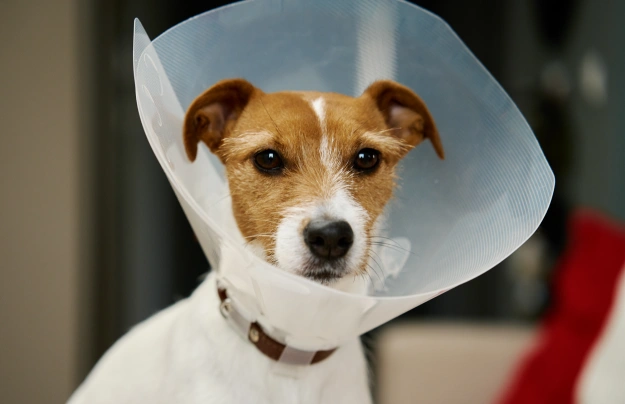
Why Dog Surgical Care is Important
Surgery is sometimes necessary to treat conditions that cannot be managed with medications or other non-invasive methods. Whether it’s a life-saving procedure or routine surgery, ensuring your dog has access to high-quality surgical care is crucial to their health. At Newport Veterinary Hospital, we use the latest techniques and equipment to minimize risks and ensure a smooth recovery process for your dog.
Our Dog Surgical Services in Rock Hill
At Newport Veterinary Hospital, we help you choose the surgical service for dogs that your pet needs to stay healthy. Our various services include:
- Spaying and Neutering: Routine surgeries that prevent unwanted pregnancies and reduce the risk of certain health issues.
- Orthopedic Surgery: Procedures to address bone fractures, joint issues, and other musculoskeletal conditions, helping to restore mobility and function.
- Soft Tissue Surgery: Surgeries to address internal conditions such as tumors, organ issues, or gastrointestinal problems.
- Emergency Surgery: Rapid surgical intervention for conditions such as trauma, obstructions, or other emergencies.
- Dental Surgery: Procedures for severe dental disease, tooth extractions, or gum issues that cannot be treated with basic dental care.
- Tumor Removal: Surgical removal of lumps or tumors that may be benign or cancerous, ensuring your dog’s health and comfort.
- Cystotomy: A surgical procedure to remove bladder stones or treat other urinary tract issues by opening the bladder, often to address chronic urinary problems.
When Should My Dog Undergo Surgery?
Your veterinarian will determine if surgery is needed based on your dog’s specific health issues. Common reasons for surgery include:
- Injuries: Accidents or trauma that result in fractures or internal injuries may require emergency surgery.
- Chronic Health Conditions: Conditions such as arthritis, tumors, or internal organ dysfunction may necessitate surgical intervention.
- Routine Procedures: Spaying, neutering, and dental cleanings may require surgery as part of routine preventive care.
- Obstructions: If your dog ingests something harmful or develops a digestive obstruction, surgery may be required to remove the object.
- Bladder Stones or Urinary Issues: Conditions such as bladder stones can be treated with a cystotomy to remove the stones and prevent future complications.
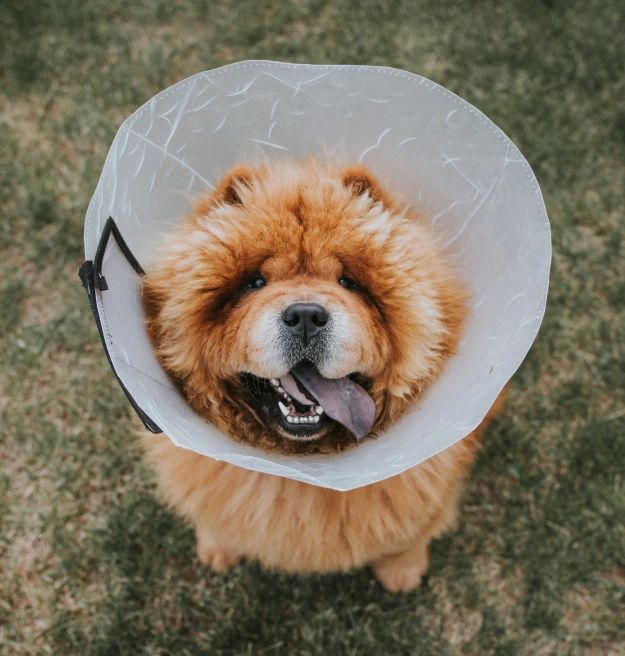
How Safe is Surgery for My Dog?
We prioritize safety in all our surgical procedures. Before performing any surgery, your dog will undergo a thorough pre-surgical examination, including blood work, to ensure they are healthy enough for anesthesia. Our team uses state-of-the-art monitoring equipment throughout the surgery to ensure your dog remains comfortable and safe. We also provide pain management options to help reduce discomfort and promote quicker healing after the surgery.
How Can I Prepare My Dog for Surgery?
Preparing for a surgical service for dogs involves a few important steps:
- Fasting: Your vet will advise you on when to stop feeding your dog before the surgery to reduce the risk of complications during anesthesia.
- Pre-Surgical Exam: Your dog will undergo a physical exam and may need blood work to ensure they are in good health.
- Comfort and Relaxation: It’s essential to keep your dog calm and relaxed before the surgery, so avoid any stressful activities the night before.
Our team will guide you through every step of the process and ensure you’re well-informed about caring for your dog before and after surgery.
What Happens After Surgery?
After surgery, your dog will be closely monitored to ensure they recover well. Most dogs stay with us for a few hours to overnight, depending on the complexity of the procedure. We provide post-operative care instructions to help you take care of your dog at home, including:
- Pain Management: We prescribe pain-relief medications to ensure your dog remains comfortable during recovery.
- Wound Care: We will guide you on caring for any surgical wounds and the signs to watch for to ensure proper healing.
- Activity Restrictions: Depending on the surgery, your dog may need to rest for a certain period to avoid complications.
- Follow-up Visits: You will be scheduled for follow-up appointments to monitor your dog’s progress and ensure they’re healing properly.
Signs of Complications After Surgery
While most dogs recover well after surgery, it’s important to watch for signs that something might be wrong. These can include:
- Excessive Bleeding
- Swelling or Redness Around the Surgical Site
- Loss of Appetite or Lethargy
- Excessive Vomiting or Diarrhea
- Signs of Pain or Discomfort
If you notice any of these symptoms, contact us immediately for guidance and further care.
Why Choose Newport Veterinary Hospital for Dog Surgery?
At Newport Veterinary Hospital, we understand that surgery can be stressful for both pets and owners, which is why we focus on providing compassionate care before, during, and after surgery. Our vet team ensures that your dog receives the best possible care with a focus on minimizing risks and promoting fast recovery. We also offer clear communication every step of the way, so you’ll never feel out of the loop.
Trust Us for Your Dog’s Surgical Needs
When your dog needs surgery, you want a trusted veterinary team to provide the best care possible. At Newport Veterinary Hospital, we offer elaborate dog surgery in Rock Hill, from routine procedures to emergency surgeries such as cystotomy. We are committed to ensuring your dog’s health, safety, and comfort throughout the entire surgical process. Call Newport Veterinary Hospital today to learn more about our surgical services or to schedule a consultation. We’re here to help your dog recover and thrive!
Frequently Asked Questions